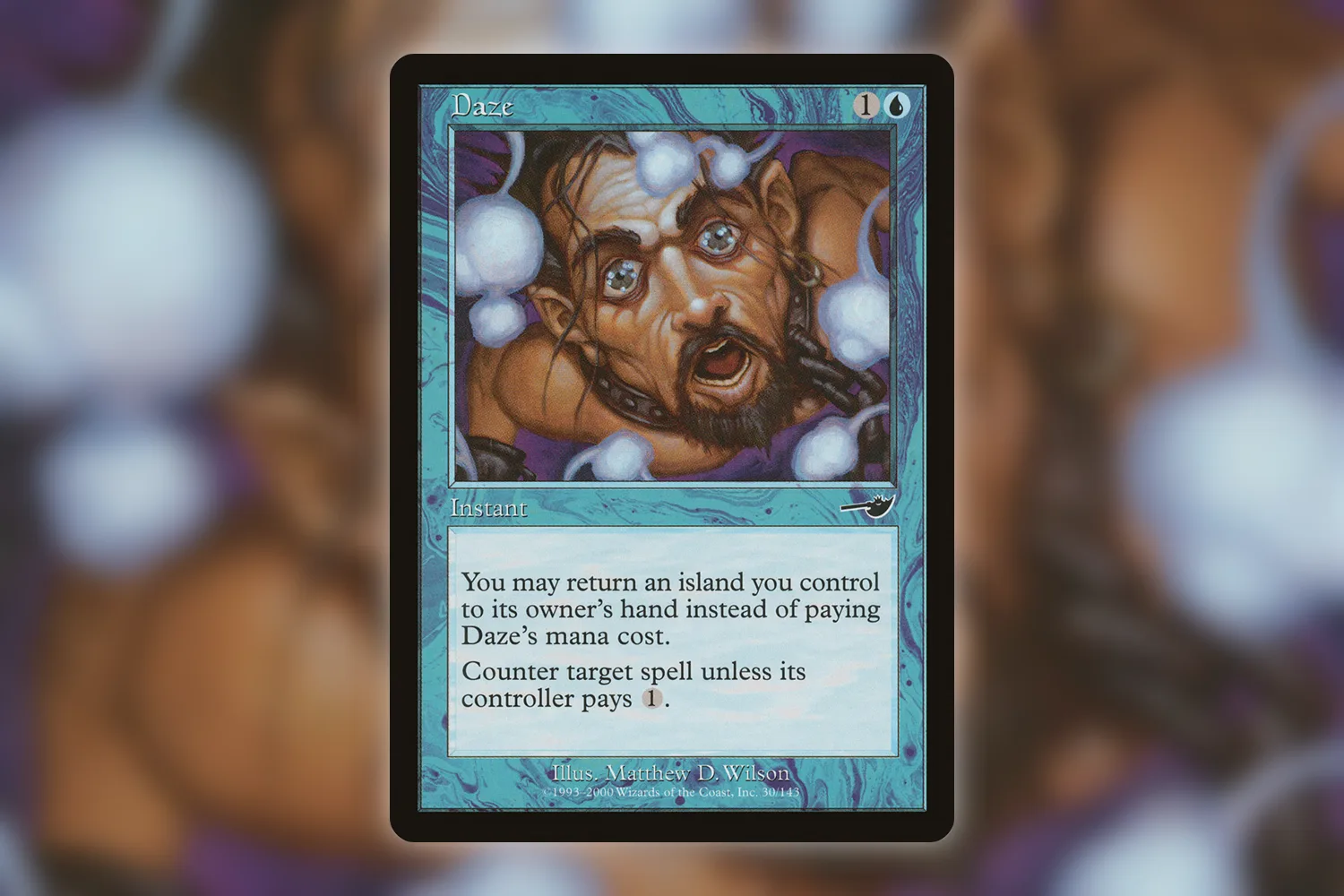
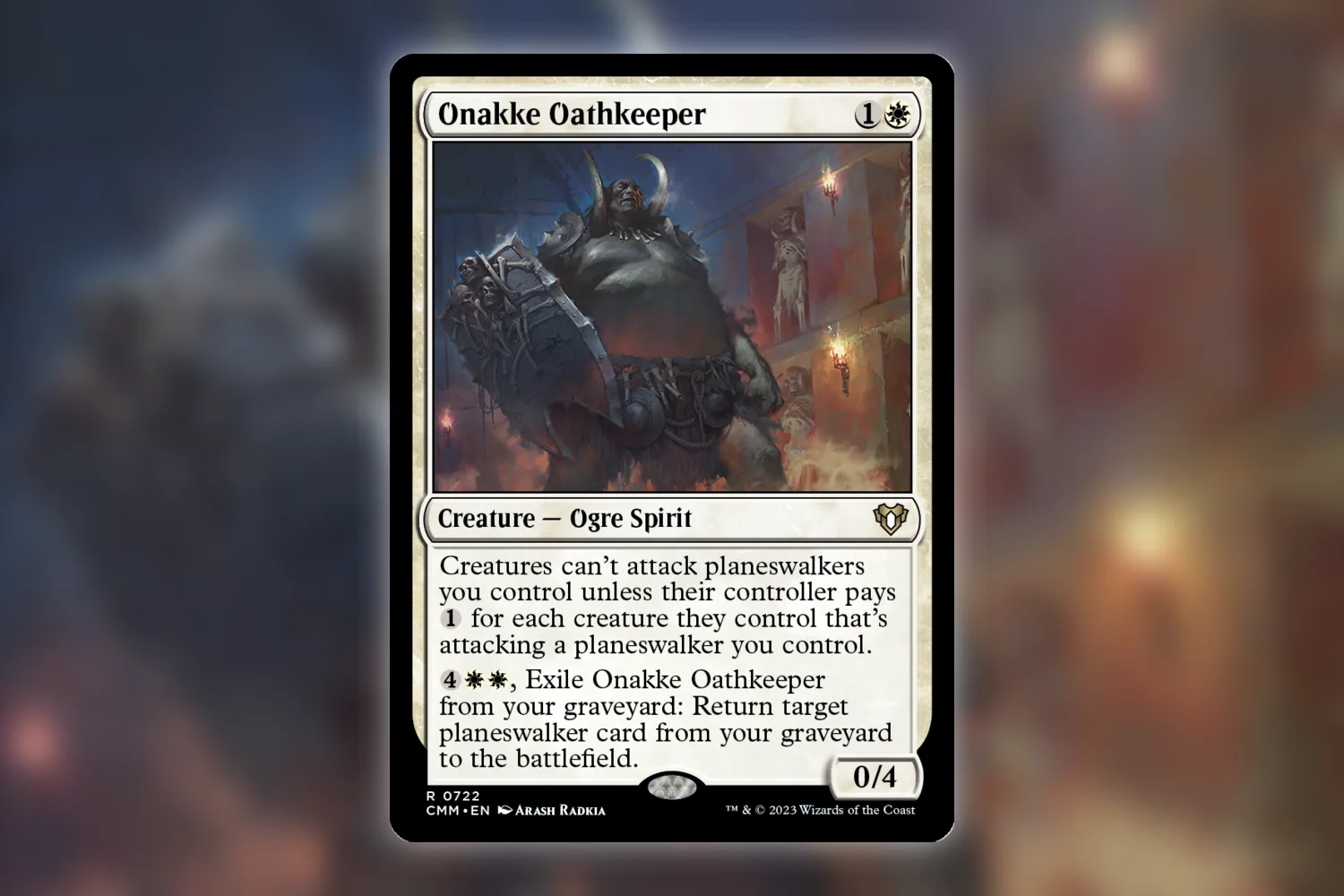
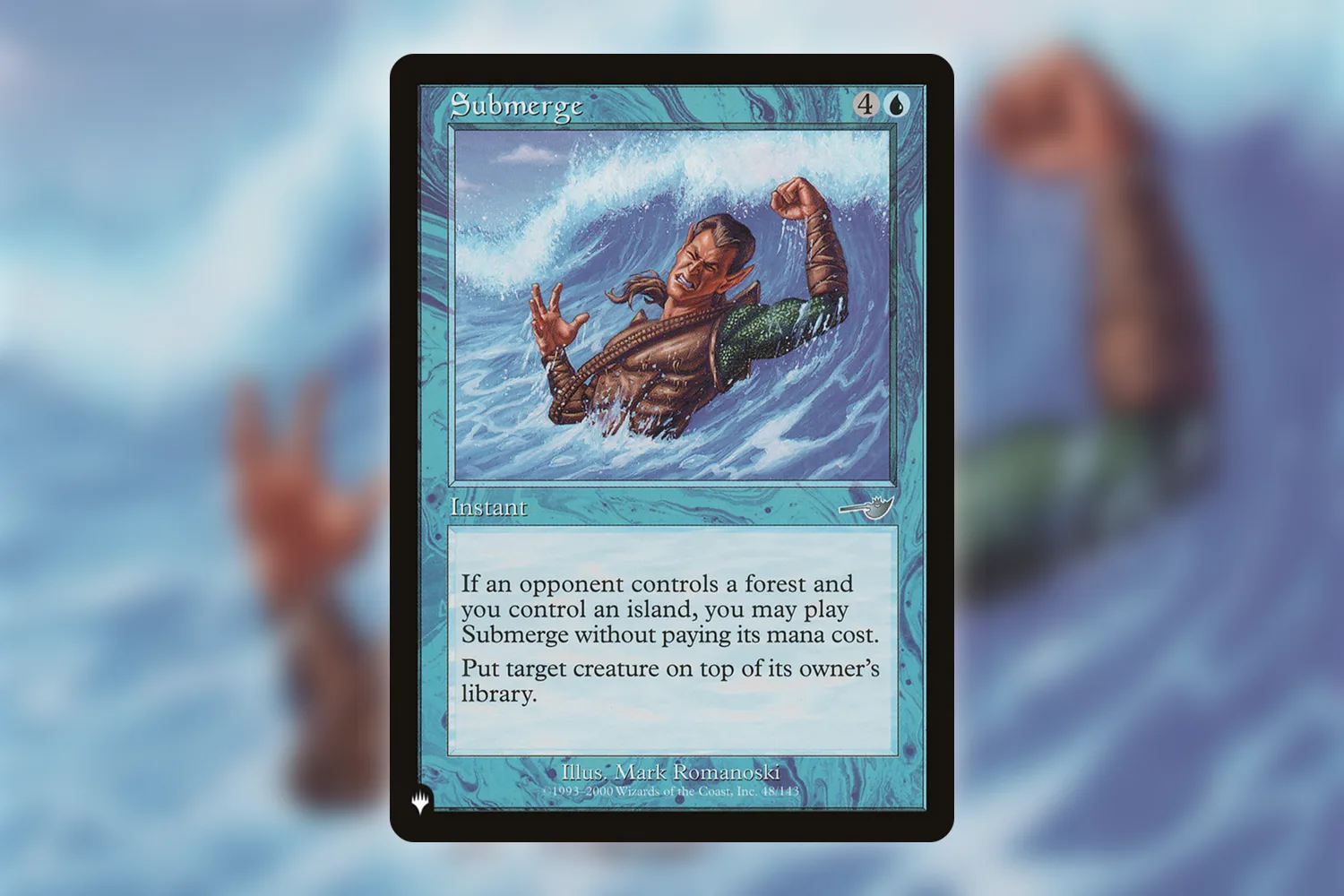
I was about six months into tracking my collection in a spreadsheet when I realized the total at the bottom of the column was a fantasy. The number said $4,200. What I’d actually get for it if I tried to sell the next day was somewhere between $2,000 and $2,600, depending on whether I had a weekend to sit on eBay or just wanted to ship a box to Card Kingdom and be done with it.
Nobody told me this up front. TCGplayer puts a “market price” next to every card, that number goes into whatever tracker you use, you sum the column, and you feel prosperous. What nobody points out is that “market price” is an asking-adjacent number. A ceiling. The price you’ll actually get is underneath it, sometimes a little and sometimes a lot.
The three numbers every collector should know
For any single card, there are three numbers that matter, and they describe three different outcomes.
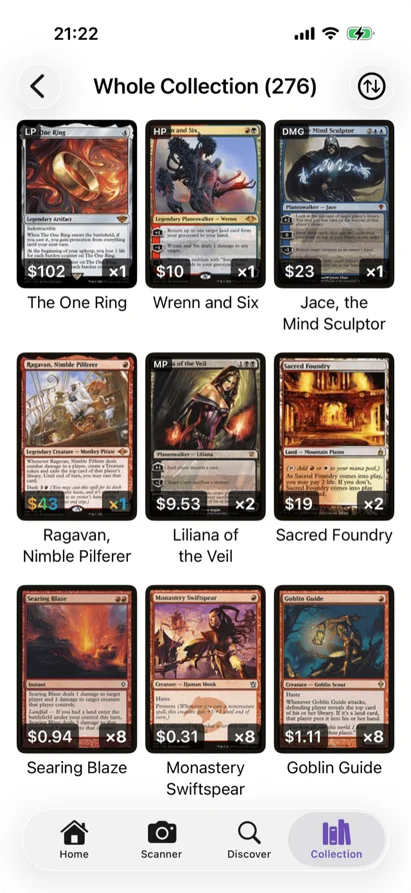
TCGplayer market price is the average of recent sales on TCGplayer for that card in Near Mint condition. It’s what price trackers quote, what your collection app probably uses, and as close to a reference price as the hobby has. Fine as a reference. Usually an overstatement of what you’d realize if you wanted cash.
Buylist price is what a store like Card Kingdom or ABU Games will actually pay you, today, in cash. It’s usually 40-60% of market, and it moves based on how much of the card the store already has. If they’re stocked up on Rhystic Study, the buylist collapses. If they’re low, it perks up. Card Kingdom publishes their buylist openly for any card you want to check. The gap between market and buylist is the cost of liquidity.
eBay sold average is what the card has actually sold for in the last seven or thirty days to real buyers. Most useful for cards where TCGplayer listings are thin, for graded slabs (which barely exist on TCGplayer), and for older singles where asking prices drift up because nobody’s clearing stock. This one is ground truth.
For most modern cards in a healthy market, TCGplayer market and eBay sold are within 10% of each other. For fresh set releases, vintage cards, or anything weird, they diverge wildly. I’ve seen a card listed at $40 on TCGplayer while eBay 30-day was $22. Asking prices lag reality.
Why the market number is the optimistic number
TCGplayer’s market price averages recent sales through the platform, so it reflects actual transactions. It’s still asking-adjacent, though, because the listings are what triggered those sales, and listings cluster at prices sellers wish they could hit.
Then there are the structural reasons it overstates what you’ll realize.
You pay seller fees. TCGplayer takes about 11-12% plus processing. eBay closer to 13%. So if a card’s market price is $10, and you list it on TCGplayer at that exact price, you net about $8.80 before shipping.
You have to ship. Bulk-shipping a stack of singles in toploaders costs a few bucks, and tracking matters. If you’re moving a $2 card, shipping eats the profit. In practice you’re only listing cards above some threshold, and everything below goes to buylist at a worse rate, or sits in a box forever.
You have to grade conservatively. If you list a card as Near Mint and the buyer thinks it’s Lightly Played, you eat a return or a complaint. Stores do the same thing on buylists, harder. Any card that’s been sleeved up in a deck for a year is probably not NM anymore. Your spreadsheet thinks it is.
And taxes, if you’re in the US and selling enough to get a 1099 from a marketplace. I am not a CPA. Go talk to one. I mention it because “I made $3,000 selling cards this year” reads differently on April 15 than you’d think.
A reasonable rule of thumb
I landed on this through trial and error. For any collection you want to put a real number on:
Take your total TCGplayer market value. Multiply by 0.55 if you’re selling to buylists wholesale. Multiply by 0.75 if you’re willing to list the high-dollar cards on TCGplayer and buylist the rest. Multiply by 0.85 if you’re an absolute hero and will list every card above $3 individually, wait out the slow sells, and sit on eBay until everything moves.
Rough numbers. Condition, set, and format relevance push them around. A collection heavy in Commander staples and reserved list cards realizes higher than one full of Standard-rotated mythics, because the demand is more durable. But the ratios hold surprisingly well across the collections I’ve checked for friends.

The part I keep going back and forth on
Every time I write about this stuff I hit a paragraph where I want to argue the realized number doesn’t matter unless you’re actually selling. If you’re not selling, collection value is a vibes exercise, and market price is a perfectly fine vibes metric. It’s the number the hobby uses to talk about itself. When someone at the LGS says “I’ve got a $5,000 collection,” they mean market total. Nobody means buylist total.
Then I remember the moment that pushed me to track more honestly. I was deciding whether to sell half my collection to fund a vintage deck, the spreadsheet told me I was rich, the buylist check told me I wasn’t, and the gap was nine hundred bucks. That’s the whole reason three numbers matter. If you might ever sell, even theoretically, market price is setting expectations you won’t be able to meet.
I don’t land on one answer. Track market price because it’s the number you’ll find everywhere. Stay aware of the buylist spread because that’s the real bottom if you need a fast exit. Check eBay sold when something seems off.
The bulk box problem
Here’s where it gets grim. You buy a 3,000-card bulk box at a garage sale. You scan it. The app spits out a value of $340. You feel good. Then you look at what’s actually in there. Eighty percent of it is commons worth two cents. Fifteen percent is uncommons worth a quarter. Maybe ten rares worth more than $1. One or two that might be worth $15. The $340 includes eight hundred cards no buylist will take at any price. Your real “if I walked into a shop today” value is closer to $90. That’s still a win if you paid $40 for the lot. The spreadsheet is just not the bank statement.
I bought a repack box at a con a couple years ago, GP Minneapolis 2022 I think, that had a sticker saying “guaranteed $50 value.” Scanned it later, came out to $53 market. Sold everything I didn’t want over about two months and netted $18. The sticker wasn’t lying. The sticker was using the optimistic number.
One thing about rotation
If you’re tracking collection value across a rotation window, the gap matters more. Cards drop 40% in market price on rotation day, but buylists had already cut 60% two weeks earlier because stores don’t want the inventory. So a $50 collection baseline written down in January becomes a $20 realized value by April if you waited to sell. I’ve been thinking about this with the 2027 rotation and I keep coming back to the same point. The window to actually realize the number on your tracker is shorter than the number implies.
The honest valuation is whatever Card Kingdom will cut a check for on Tuesday. Everything above that is hypothetical. Useful hypothetical, sometimes, when you’re deciding which cards to hold versus move. But hypothetical.
Go check one card on your tracker right now. Note the market price. Then look it up on Card Kingdom’s buylist. See what the gap is. That ratio, roughly, is the one that applies to the rest of your collection.