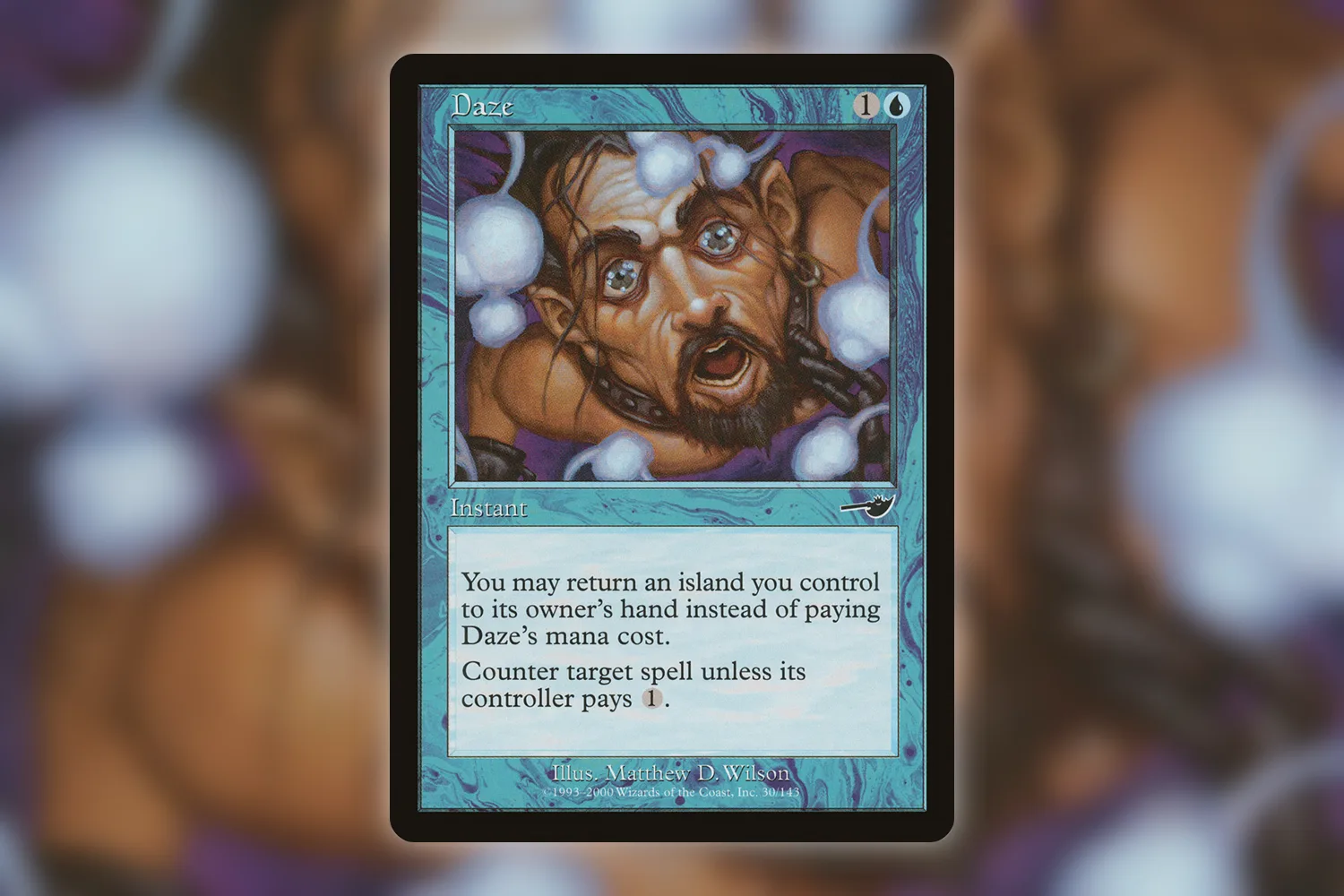
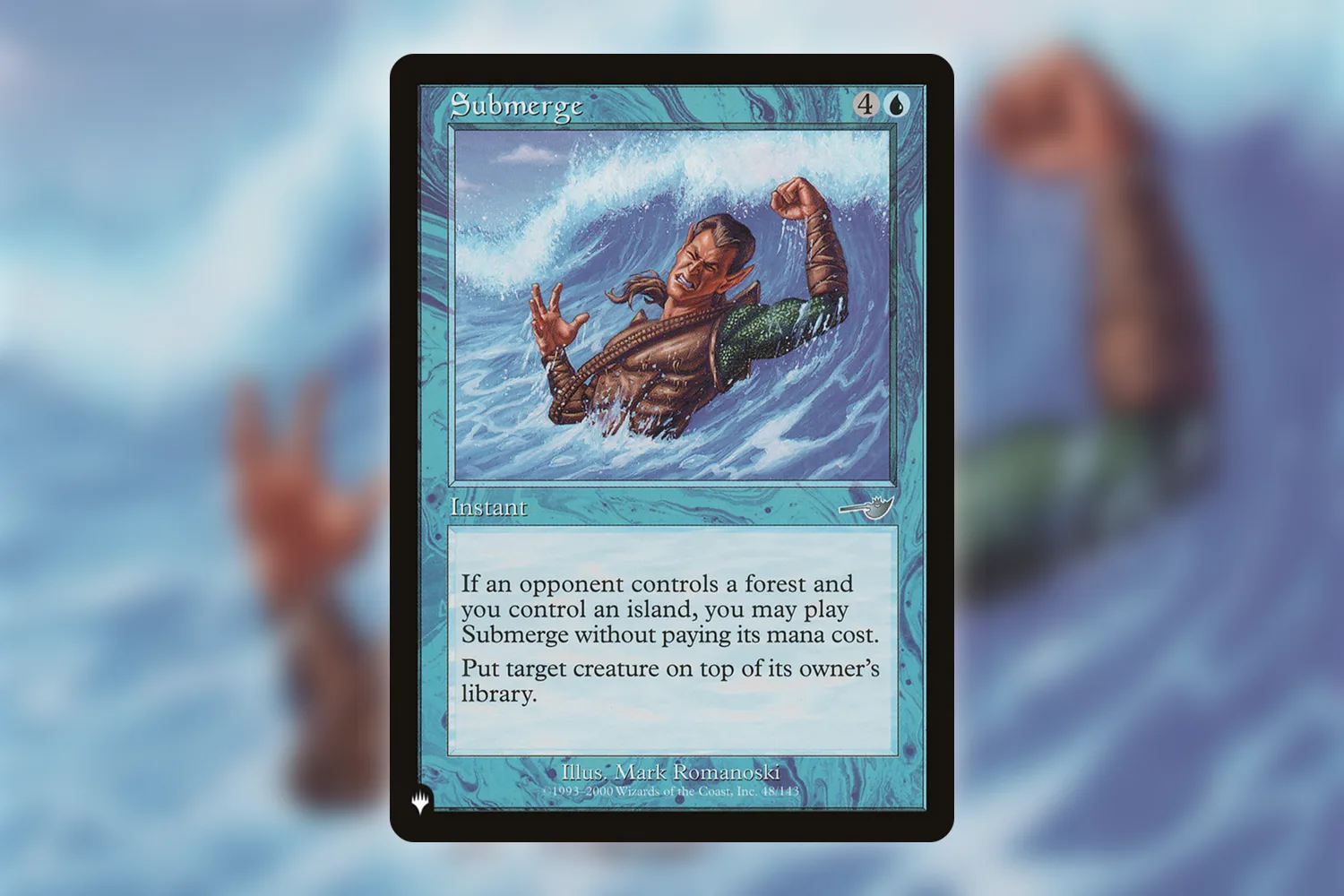
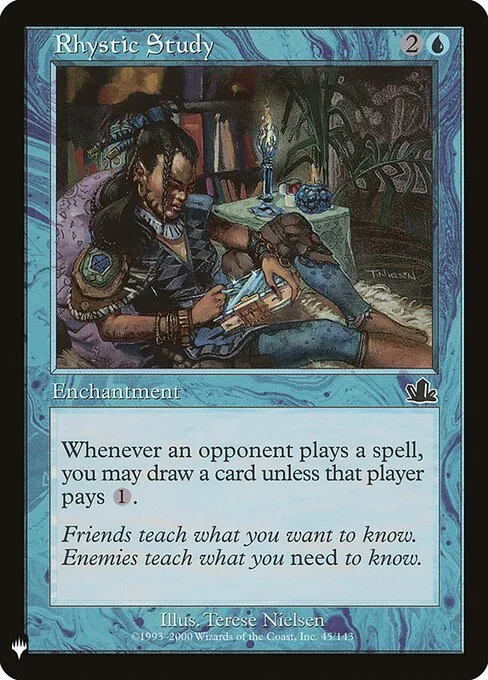
The first time I bought a bulk lot off Craigslist, I drove forty minutes to a guy’s apartment in 2018 and walked out with two longboxes for $80. I sorted them for a weekend. Pulled maybe $140 worth of cards if I’m being generous, half of which were already foiled-up draft chaff from Khans I didn’t need. I made my money back and then some, but the per-hour was bad enough that I never did it again, at least not the way I’d done it that first time.
I thought about that weekend when MTG Goldfish dropped two videos this week framed around the same hook: SaffronOlive bought 26 pounds of Magic cards from a Goodwill auction for around $1,700, and the resulting “is this bait or…?” thumbnail did exactly what it was supposed to do. People watched it. People will keep watching versions of it. And almost everyone walks away with the wrong takeaway about buying MTG bulk lots.
The math of bulk-buying is way more boring than YouTube makes it look.
What buying bulk should actually cost
If you flip past the highlight videos to the people who do this for a living, the numbers settle pretty fast. Unsorted commons and uncommons trade for around $3-$5 per 1,000 cards when you buy directly from a player. SaffronOlive’s own series on collection buying, which is honestly the best free writing on this topic on the internet, lands in the same range. Bulk rares run about $0.03-$0.10 each. That’s the floor, and it’s where you need to stay if you ever want a profitable flip.
26 pounds of cards is roughly 7,000-9,000 sleeves’ worth depending on how much white-bordered Revised is in there. At the standard rate, that bulk is worth maybe $30-$50 in commons and uncommons plus whatever the rare/mythic count multiplies out to. The reason a Goodwill auction can hit $1,700 is that the bid only makes sense if you assume real chase cards are buried in there. Sometimes there are. Usually there aren’t.
The Goodwill case is interesting precisely because Goodwill doesn’t sort. They take the donation as one lot, slap a starting bid on it, and let collectors fight it out. So the question isn’t “is the box bait.” It’s “does the seller know what they have.” Most of the time on a Goodwill auction the answer is no, which is the entire reason somebody is willing to pay $1,700 to find out. The seller’s lack of knowledge cuts both ways though. The donation might be somebody’s draft leftovers from 2019. It might also be a 1995-era binder somebody’s grandfather forgot in an attic. The auction price is the market trying to guess which.
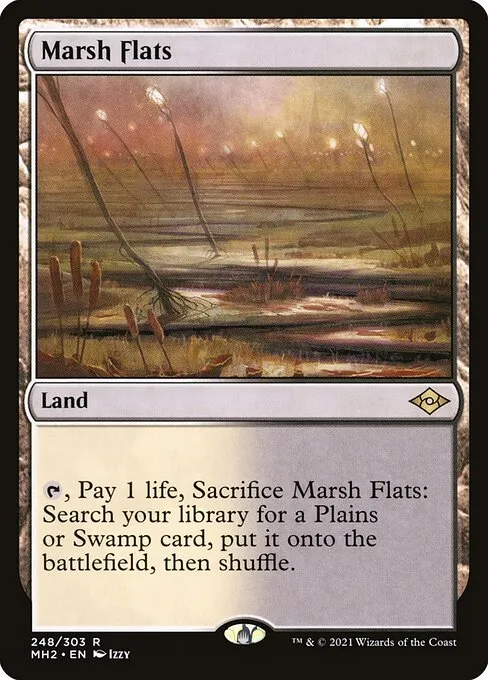
I don’t actually know what was in SaffronOlive’s haul. The video’s the video, watch it if you want. What almost certainly wasn’t in it: a Beta Black Lotus. That stuff happens once every several years and gets written up forever after. The cards that do come out of these lots are stuff like Modern Horizons 2 fetchlands at $30 a pop, Mystical Archive reprints that someone’s college roommate bought and abandoned, sleeved playsets of cards that rotated out two cycles ago. Real money, in the aggregate, if you have the patience to sort it.
The thing that actually decides whether you lose money
Picking is the hard part.
A 7,000-card lot at standard hit rates contains maybe 40-60 cards worth listing individually. Finding them by hand, looking each one up, checking the printing, checking the condition, deciding whether it goes to eBay or buylist or back in the bulk box, that’s where the time goes. SaffronOlive estimates he can pick a thousand cards for “anything worth $0.10+” with about 95% accuracy on the first pass, and he’s been doing this for over a decade. The first time you try this on a fresh lot you will not be at 95%. You’ll be at maybe 60%, and you’ll spend three times as long getting there.
The variable that decides “profitable side hustle” vs. “miserable wasted weekend” isn’t what you paid. It’s how fast you can resolve the box. A 6,000-card box that takes you 30 hours to sort at $20/hr of opportunity cost is a $600 cost before you’ve made a single eBay listing. The same box at 6 hours is $120. Same cards. Same revenue. The whole margin lives in the sort speed.
This is the part where I’d normally argue that scanning apps changed bulk-buying forever, and they did. I scanned a 2,000-card garage-sale box in 40 minutes once and the experience genuinely felt like cheating. But honestly, for the most picked-clean kind of bulk, scanning isn’t always the answer either. If you’ve bought a box of obvious draft chaff, eyeballing it for the recognizable rare borders is faster than scanning every card. The scanner workflow shines on the in-between stuff: mid-2010s commons and uncommons where you have no idea which ones quietly spiked to $3.
Eldwyn does this sort of thing well enough that I’m a little biased about recommending the workflow, so take the recommendation with a grain of salt. Any scanning tool that exports a CSV with current TCGplayer prices is going to save you hours over typing card names by hand. The specific app matters less than committing to some batch-processing pipeline before you bring the box home.
So yeah. Bulk lots. Every now and then somebody films a $1,700 Goodwill auction and the comments fill up with “I need to start checking my local Goodwill.” Maybe you should. Mostly though, the people making consistent money on bulk are doing it boring. Picking up 5,000-card lots from individual players exiting the game for $25. Sorting them in front of a movie. Listing forty cards on eBay over the next two weekends. Just slow, consistent $0.30-$3 hits adding up.
The cousin case worth mentioning is when a box lands in your lap without you choosing it. Inheriting a relative’s collection follows a lot of the same triage logic, but with the added wrinkle that you didn’t pay a market price for it, so the calculus of “is this worth my time” is genuinely different. Bought bulk has a break-even point. Inherited bulk has a floor of zero.
A few rules I’d give anyone walking into their first bulk buy
Don’t pay more than $5 per 1,000 for unsorted commons and uncommons from a stranger. Vendor-packaged bulk (those barcode-labeled boxes from “1,000 cards for $12” listings) has already been picked clean, there’s a reason it costs the same as raw bulk. Avoid Amazon bulk for the same reason. Resellers there charge $15-$25 per thousand for picked-over inventory.
If the listing photo shows a single binder of “the good cards” on top of a longbox, assume those cards are either not in the lot or are in MP condition. Sellers always photograph the best stuff. The actual box is whatever’s underneath.
Check the rotation calendar before you sort. A bulk lot bought right after a Standard rotation is going to look worthless until you remember Premodern, Pioneer, and Commander are still using a lot of those cards. There’s also a whole resurgence happening in old-frame Premodern right now that’s quietly making 90s commons worth pulling out. Warmth is sideboard tech in the format and the Tempest version spiked to $4 earlier this year before settling around $3. Cabal Therapy is up across the board thanks to Oops! All Spells in Legacy, with the reprints doubling to $15 and the Judgment original pushing into the $20s, and that one’s in tons of old bulk boxes from the early 2000s.
Set yourself a time budget before you start. Three hours for a thousand cards is reasonable. If you’re going past that on your first lot, you’re not being thorough, you’re just slow, and that’s fine, but track it so you know what your real per-hour rate is. The bulk-buying side hustle works for people who treat it as work. It doesn’t work for people who treat it as gambling.
The Goodwill thumbnails will keep happening. There’ll be another one next month, probably an even bigger number on it. Just remember the video shows you the outcome, not the four other lots SaffronOlive probably looked at and didn’t bid on, not the seventeen hours of sorting between unboxing and the final tally, and definitely not the long boring middle where bulk-buying actually lives.