The first time someone hands you a box of Magic cards that aren’t yours, you’ll do one of two things. Either you’ll panic and tell them to take it back, or you’ll Google “how much are old Magic cards worth” and immediately feel the kind of vertigo people who buy lottery tickets feel right before they scratch off the second number.
I’ve helped friends sort through three of these in the last few years. One came from an uncle who’d died in a car accident. Another from a guy whose dad was downsizing into a smaller place and just wanted the binders gone. The third was less dramatic, somebody’s college roommate had moved to Europe and left a couple shoeboxes in a closet. In all three cases the person who got handed the cards had no idea what they were looking at, and in two of the three they almost immediately did something I’d have begged them not to do.
So if you’ve ended up with an inherited MTG collection, emotionally inherited or legally inherited or “my buddy bailed on the country” inherited, here’s what I’d actually do, before you sell a single card.
Don’t open the buylist tab yet
The most common mistake I see is people typing “where can I sell Magic cards” into Google before they’ve spent ten minutes looking at what they actually have. Card Kingdom, TCGplayer, Star City Games — all three buy collections, and all three will quote you something. The quotes are not lies, exactly. They’re just based on the assumption that you don’t know what you have, which is currently true.
The math problem with most inherited collections is that 95% of the cards have effectively zero individual resale value, and the entire dollar value of the collection sits in maybe 5 to 30 cards. If you ship the whole box to a buylist before separating those out, you’ll get a bulk-rate quote on the bulk and a slightly-better-than-bulk quote on the chase cards. You’ll lose, conservatively, 40% of what the collection is worth, and probably more.
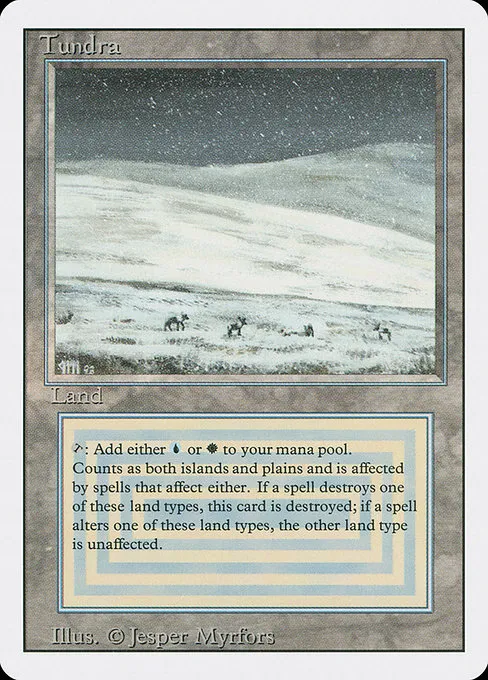
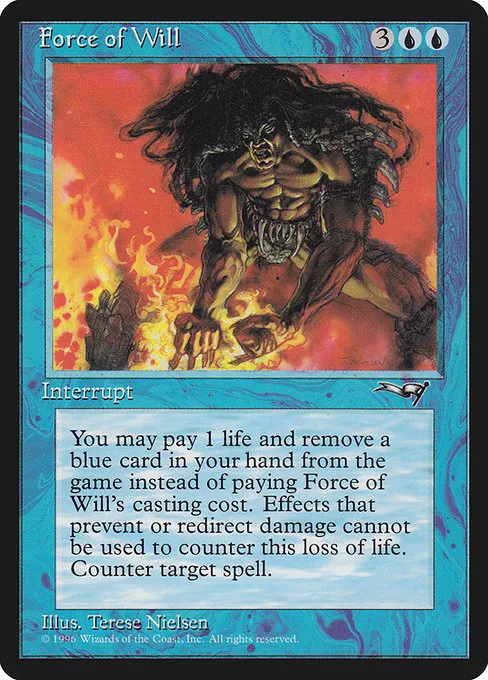
I had a friend who almost shipped his late uncle’s collection to a buylist for $180. We sat down at his kitchen table on a Tuesday night, sorted for about three hours, and the binder alone, eighteen pages of “rares I assume” that nobody had looked at in fifteen years, had a Force of Will, four old fetchlands, a Mox Diamond, and a beat-up Tundra that still goes for over five hundred dollars in the condition it was in. The buylist would’ve been polite about it. They wouldn’t have stolen anything. They’d have just done their job.
Sort by what’s recognizable, not what looks valuable
When you don’t know Magic, every card looks like it might be valuable, because every card has weird names and complicated text and a price somewhere on the internet. This is a trap. The vast majority of cards in any collection are commons and uncommons that are individually worth pennies.
The fastest first pass is rarity. Magic prints rarity right on the card, there’s a little symbol next to the set logo. Gold for rare, red-orange-purple for mythic rare, silver for uncommon, black for common. Older cards before late 2008 don’t have a colored expansion symbol, so for those you just need to look up the set. Mythic rares didn’t exist before late 2008. If a collection is mostly pre-2008, sort by rares versus everything else and ignore the rest until later.
Pull the rares and mythics into a pile. That’s your starting point. Most of the value in most collections is in this pile, even though it’s a small fraction of the total cards.
The remaining commons and uncommons aren’t worthless, exactly. There are exceptions, and the exceptions are surprisingly numerous. Old Lightning Bolts from Revised. Counterspells from certain printings. Format-defining staples that got printed at common like Brainstorm. The hidden value sitting in bulk boxes is a deeper rabbit hole than most people want to go down on day one. If you’re triaging to make a decision, set the bulk aside for later and focus on the rares.
The actual scanning step
Here’s where I’d plug Eldwyn, except I built it, so take the recommendation with a grain of salt. Whatever app you use, scanning rares one by one is dramatically faster than typing card names into Scryfall. I scanned about 1,400 cards from the second of those friend-collections in roughly an evening, with most of the work being the actual physical handling and the app doing the recognition in the background.
The reason scanning matters more for inherited collections than for your own is that you don’t have the muscle memory. When you’ve played for years you can flip through a binder and your eyes catch the cards that matter. A fetchland’s frame is recognizable from across the room. A Reserved List card has a certain feel. When you don’t have that, you’re squinting at every card wondering if “Volrath’s Stronghold” is worth $80 (it is) or “Volrath the Fallen” is worth $80 (it is not). A scanner removes the question. You scan, the price shows up, you make a pile.
The piles I usually end up with: keep, sell individually, sell to a buylist, throw in the bulk box. The thresholds are subjective. I tend to draw the buylist line around $5, because below that the time cost of listing on TCGplayer eats the margin. But that’s me. Some people happily list 50-cent rares because they enjoy the process. Some people would rather take the $0.30 buylist quote on every rare under $3 and never think about it again. Both are fine. There’s no objectively correct answer.
Once that’s done you can put a real number on the collection without inflating it.
The emotional part
This is the section I almost left out, because it feels weird to write, but it matters and most articles skip it.
If the collection belonged to someone who died, or someone who used to play with the person who died, you are not going to feel normal about selling cards. I’ve watched two people stall out for months on this, not because they were waiting for prices to spike, but because every time they opened the box they got hit with a memory and put it back in the closet. That’s fine. Cards don’t spoil.
If you want to keep some, keep some. Pick the ones that mean something. A card you remember the person playing. A deck they built. A card with art they liked. The financial cost of keeping a sentimental rare is whatever the buylist would’ve paid you, which for most cards is between $1 and $50. That’s not a lot of money to keep a piece of someone.
The cards people actually want as keepsakes are almost never the most valuable ones. I had a friend keep a single beat-up Counterspell because his dad always opened with it. The card is worth maybe two dollars on a good day. He doesn’t care.
Where I’d actually sell
Once you’ve separated the wheat from the chaff and decided what you’re keeping, the question is just outlet. The fast, lazy answer is Card Kingdom’s buylist. Their interface lets you build a cart by typing card names, you get a real per-card quote, and you ship the whole thing in one box. You’ll lose maybe 30 to 50% versus selling individually on TCGplayer, depending on the cards. For the time saved that’s a reasonable trade for most people.
For the chase cards, the ones that quote at over $50 individually on the buylist, I’d take an extra step and check eBay sold listings, then either list them yourself or take them to a local game store and ask. Local stores will sometimes pay more than the chains because they want the cards in their case for retail. They’ll also sometimes pay less, because they’re just running TCGplayer market price minus a margin. Worth asking.
I keep going back and forth on whether to recommend the local-store route, honestly. The convenience of mailing a single box to Card Kingdom is real, and I’ve watched people sit on a binder for eighteen months because they kept meaning to drop it off at the LGS and never did. A 70% return that you actually realize is better than an 85% return that lives in a closet. So maybe just do the buylist. I don’t know.
Things that aren’t bulk
Before you call any pile bulk, check for these.
Old basic lands with the original art, pre-2003. These aren’t expensive but specific printings sell for surprising amounts to the right buyer.
Foil rares from any era. The frame catches the light differently. Pull them out.
Anything from sets you’ve never heard of, especially with old border styles. Pre-2008 obscure sets like Mercadian Masques, Prophecy, Odyssey block. There are more high-value rares hiding in those sets than people expect, and Premodern is having a moment right now that’s pulling a lot of those prices up.
Cards with weird stamps, signatures, or alterations. Pro Tour stamped versions, signed cards by artists, foreign-language cards in unusual languages. All need a separate look. Don’t bulk them.
And if the collection has a card that says “Tap: Add one mana of any color to your mana pool” with a name you don’t recognize, stop. Look it up. Five minutes of caution is cheaper than the regret of having shipped a Mox to a buylist for $40.