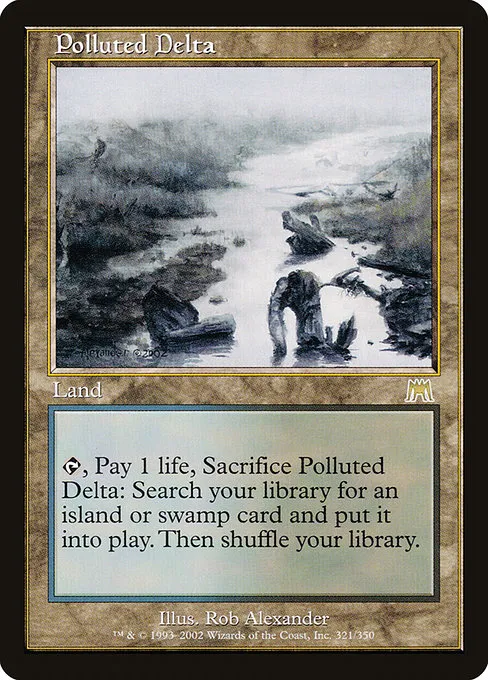
The first time I considered MTG card grading was 2008. I’d just pulled an Onslaught Polluted Delta from a binder I inherited from a college friend who quit Magic, and a guy at my LGS told me with apparent certainty that a PSA 10 was worth ten times raw. I never sent it in. I sleeved it into my U/B Faeries deck, played with it for two years, and by the time I checked again the corners were softening and the edges showed that fine white wear black-bordered cards always pick up.
I think about that card sometimes when people ask me whether MTG card grading is worth it. The answer for almost every Magic card is no, and the answer for the small minority where it is yes has gotten weirder in the last six months because of a corporate acquisition most casual collectors don’t know about.
The merger that nobody on r/magicTCG is talking about
In late 2025, Collectors, the parent company of PSA, acquired Beckett Grading Services. PSA also already owned SGC. So three of the four major card grading companies now report to the same corporate parent. The only major grader that’s still fully independent is CGC.
A New York congressman asked for an antitrust investigation in January 2026, which is going about as quickly as those things ever go. BGS publicly says it’s operating with its own grading standards and its own staff. The market hasn’t yet seen a noticeable convergence between PSA grades and BGS grades. But it would be the first acquisition in any industry where the buyer didn’t eventually start tweaking the acquired brand to match.
For MTG collectors specifically, the practical consequence is small but real. PSA still gets the highest resale premium for graded cards. BGS still has Black Labels, which still command serious money for chase Reserved List cards. If you cared about supporting genuine market competition (and a meaningful number of vintage MTG sellers I know say they do), CGC is now the only major grader you can pick that isn’t part of the Collectors umbrella.
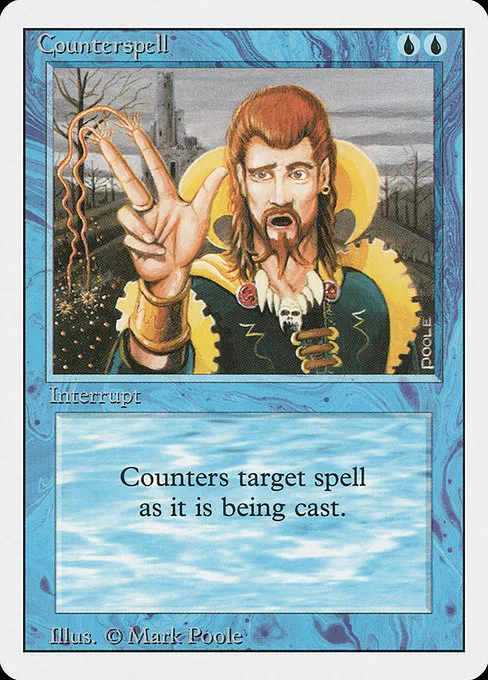
I keep going back and forth on whether this matters. For a $40 PSA 8 Counterspell, no. For a five-figure Beta Mox, maybe. The premium-for-PSA argument hasn’t gone anywhere; it’s just gotten more crowded with corporate context.
What it actually costs in 2026
Pricing per card, for the three majors. These are headline rates, not every tier.
PSA
- Value Bulk: $22/card (5-card minimum, max $499 declared, slow)
- Regular: $80 (max $1,499 declared)
- Express: $160 (max $2,999)
- Super Express: $300 (max $4,999)
- Walkthrough: $600 (cards up to $9,999)
- $149/year membership required for bulk pricing
- PSA charges upcharges if your card grades higher than declared value
BGS (Beckett)
- Base tier: around $15
- Standard service: $15-100
- Priority: $124.95 (5-day turnaround)
- Subgrades included or available at all tiers
- No membership, no upcharges
CGC
- Bulk: $12/card (25-card minimum), the cheapest legitimate option
- Economy: $15/card single
- Standard: $25-150 by declared value
- Includes 1-2 subgrades depending on tier
If you sort by absolute floor price, CGC wins. If you sort by what fetches the highest secondary premium, PSA wins, usually by 10-20% on equivalent-grade cards. BGS sits in the middle and is the only one offering a realistic shot at Black Label, which is the perfect-subgrades-across-the-board grade some Reserved List collectors specifically chase.
When grading actually pays off for an MTG card
Most MTG cards shouldn’t be graded. The math doesn’t work because the spread between raw NM and PSA 10 isn’t large enough to cover the grading fee plus the time-cost of waiting two months for your card back.
A useful rough rule. If your card is worth less than $200 raw in NM, grading is almost never worth it. The PSA premium on a $30 card might lift it to $50, but a $50 grading service eats the entire spread. You broke even minus shipping and time.
The MTG cards that actually earn their grading fee:
- Reserved List staples in genuinely Mint condition. Underground Sea (around $935 raw), Mox Sapphire, Tundra (around $570 raw), anything where a PSA 10 multiplier of 2-4x kicks in
- Vintage cards from Alpha, Beta, and Unlimited, particularly the Power Nine
- Modern serialized cards and Secret Lair chases above the $200 mark
- Iconic original-art cards from low print runs
- Signed cards (PSA also authenticates the signature itself)
The almost-worth-it tier I see people get burned on most often: Modern Horizons 3 chase mythics, foil Commander staples, original Strixhaven Mystical Archive Japanese alts. These cards float in the $80-200 range, so the grading fee can technically be justified at scale, but the multiplier on a PSA 10 is usually only 1.3-1.8x for modern cards. You’re playing for narrow margins.
Anyway, look. The Tundra. I sent a Revised one to PSA two years ago, fully convinced it would hit a 9. Couldn’t find a thing wrong with it under a loupe. It came back a 7. The reverse had a faint print line I’d somehow missed for fifteen years. Sold the slabbed version for less than I’d paid for the raw card. So.
The MTG-specific problems
A couple things make MTG harder to grade well than Pokemon or sports cards.
Black borders. Modern MTG borders are deep black, and any micro-friction on the edge produces visible white whitening. Pokemon’s yellow borders hide the same wear. A card that looks immaculate in a sleeve can come back PSA 7 because the edges show whitening under PSA’s lighting setup. Sleeving and topload protocols matter more for MTG cards than other TCGs for exactly this reason.
Foil curl. MTG foils have a foil-laminate sandwich that responds to humidity. Even pristine foils that come out of a pack can have a curve to them six months later. Graders aren’t supposed to penalize curl directly, but they do penalize the surface artifacts that come with it.
Centering on older cards. Pre-modern frame cards (especially Revised, Tempest, Urza’s block) frequently have centering off by 60/40 or worse. Centering is one of PSA’s four sub-scores. A perfectly preserved Sylvan Library from a near-mint binder can grade an 8 just because Wizards’ pre-2003 print runs were inconsistent.
Pre-screening with AI tools
The workflow has genuinely changed in the last year. AI grading apps like CardGrade.io, PreGradeCards, and ID Grader take a phone photo of a card and predict PSA, BGS, and CGC grades. Cost is usually $0.20-1 per card. They claim accuracy in the low-90s percent range, though I’m skeptical of every AI startup’s headline accuracy.
The directional value is real. If the AI says your card is going to grade a 7, sending it to PSA at $80 is just lighting money on fire. If it says 9.5+, it’s at least worth running the math. Most serious graders I know now use a three-step filter before mailing anything: AI pre-grade, manual loupe check on anything that scores 9+, then submit only what passes both.
This is also where having a good pricing baseline pays off. If you already track your collection’s current value, you know which cards are even theoretically grading candidates before you waste time on borderline ones. Below $200 in current market value, the math almost always says raw and sleeved is better than slab.
What I’d actually do
If you have one or two genuinely valuable cards (Reserved List, Power Nine, serialized chase pieces) in real Mint condition, send to PSA. The premium is worth the cost and the brand recognition makes resale easy.
If you have a stack of nice but not-extraordinary singles in the $50-200 range, like early Modern Horizons mythics, foil Commander staples, or Mystical Archive cards, don’t grade. Sleeve them in a proper rare binder, photograph them, and sell raw if you ever sell. Buyers in this price tier prioritize current market price over slab certification.
If you specifically want subgrades on a chase card, you’re hunting Black Label, you want centering documented for resale, use BGS. If your priority is the lowest possible grading fee and you’re submitting a batch of 25+, CGC’s bulk tier at $12/card is the cheapest legitimate option and still gives you a real slab.
If you just want to know whether grading any of this is worth it before you spend a dollar, run an AI pre-grade first and skip the cards that don’t make the cut.
The Polluted Delta from 2008 is now a bent-corner, edge-whitened relic in the back of a binder I’ve labeled “former chase pieces.” I don’t grade things anymore unless the math is obvious. The list of MTG cards where that math actually works is shorter than people think.