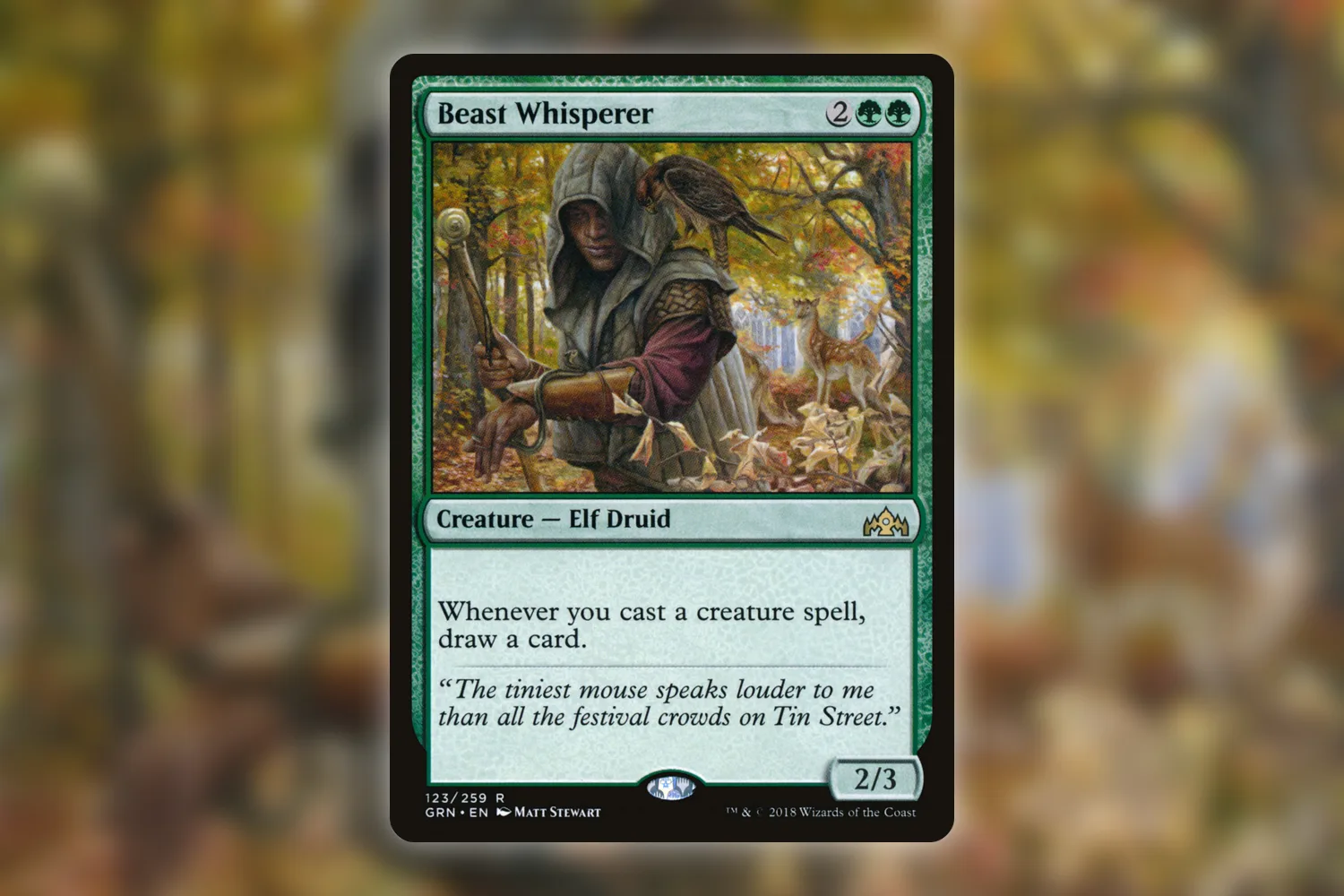
Beast Whisperer is a slightly cruel topdeck when you’re out of creatures to cast. Four mana, a 2/3, and a promise that starts paying when you find another spell. I’d build a Commander card-draw kit around that awkward turn: which cards refill an empty hand, and which need help from the rest of the deck?
A collection can contain plenty of cards with “draw” printed on them while still leaving that problem unsolved. Some replace themselves. Some want you to attack. Some are excellent beside a token maker and sit there looking decorative after the token maker dies. I’d pull the available copies first, then give each one a job and a condition it needs to meet.
I once left a Beast Whisperer from a Guilds of Ravnica draft inside the cardboard sleeve packet I’d brought to the store. Found it months later while looking for dice. The packet was in the dice bag, naturally, because apparently every container I own is a deck box if I give it enough time. I still check empty sleeve packets before recycling them.
A Commander card-draw kit needs something that works from empty
Night’s Whisper costs two mana, draws two cards, and loses you two life. Cast it from your hand and you finish with one more card in hand than you started with, assuming nothing else changes the effect. You can do that on a battlefield with no creatures and no elaborate machinery.
Harmonize costs four mana, including two green, and draws three cards. Spend the spell, receive three, end up two cards ahead in hand. Paying four at sorcery speed can make a turn feel cramped. It can also give a green deck something to do after its creature-based engines have disappeared.
I’d put spells like these behind a divider marked “refill now.” Read any extra costs before adding a candidate. A spell that needs a creature to sacrifice belongs somewhere else if you’re counting on it to rescue an empty battlefield. The collection-first Commander guide treats draw as a deck-building gap; this is the pass I’d make through the actual cards before filling that gap with purchases.
For a casual creature deck’s first test, I’d try about ten extra-card sources, with three or four that can work without an established board. That’s a starting preference. A commander that supplies cards reliably can change the balance, and a faster deck may need much cheaper ways to keep going. EDHREC’s discussion of deck-building benchmarks and probability makes the useful point that a familiar number of slots doesn’t establish whether the underlying engine will function.
I wouldn’t put these ten example cards into one deck together. They’re candidates across different colors and strategies, and two are here specifically to keep the sorting honest.
The engine’s condition goes on the divider
Beast Whisperer rewards casting creature spells. Making creature tokens with an enchantment won’t trigger it. Returning a creature directly from the graveyard won’t either. It also doesn’t draw from its own casting, since it needs to be on the battlefield to see a later creature spell being cast. A hand full of creatures and enough mana can make it wonderful; drawing it after you’ve spent that hand asks you to start again.
Welcoming Vampire costs three mana and watches other creatures with power two or less enter under your control. Tokens can qualify, and creatures arriving directly from a graveyard can qualify. Its ability triggers only once each turn. Five small creatures entering together produce one trigger. Making a qualifying creature on an opponent’s turn can produce another, if the ability hasn’t triggered during that turn already.
Power is checked as the creature enters, including applicable counters and continuous bonuses. An anthem that makes your little creatures too large can interfere. I’d write “power 2 or less; once each turn” beside this slot rather than assuming every token deck can feed it equally well.
| Candidate to look for | What gets you more cards | What I’d check in the deck |
|---|---|---|
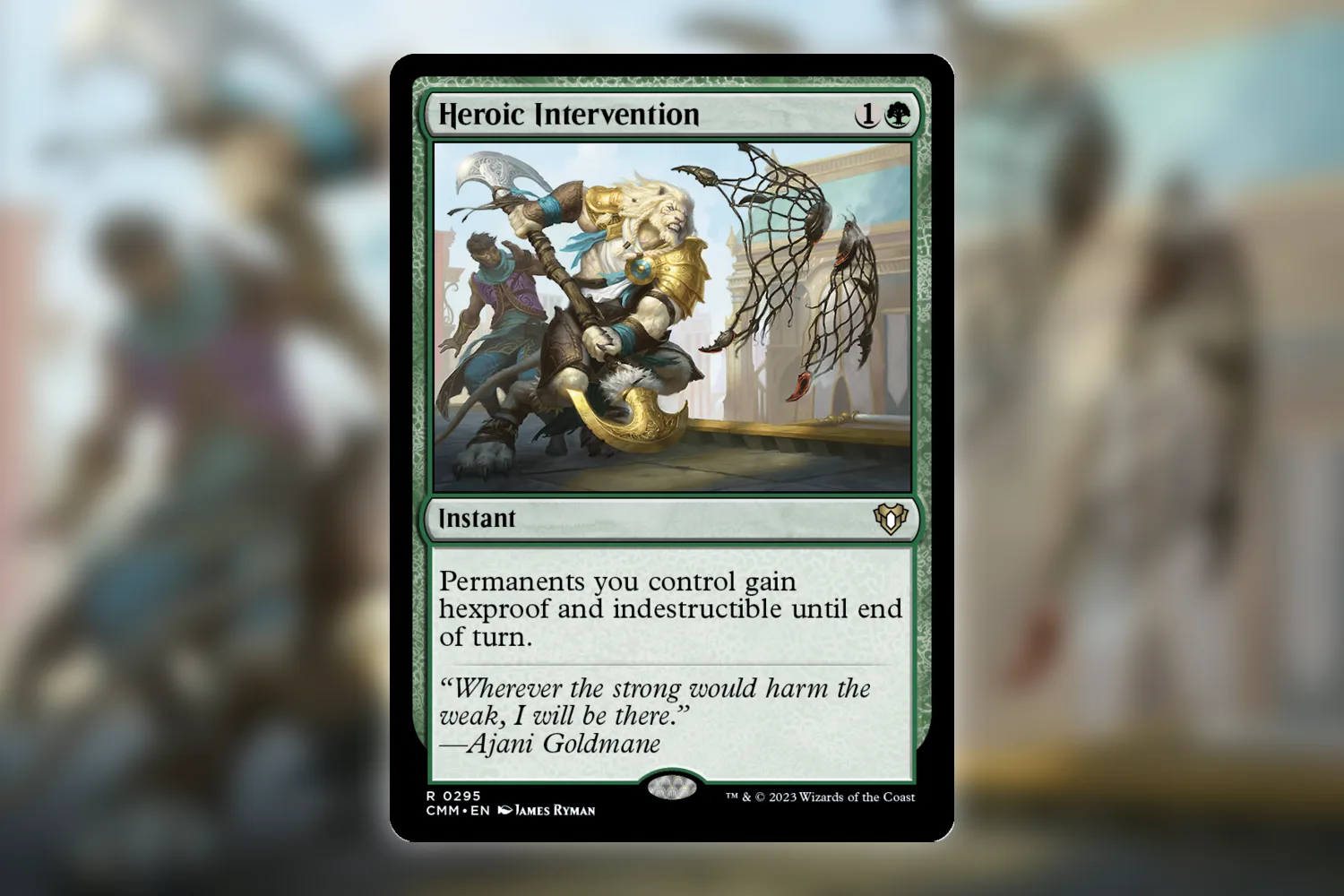
| Beast Whisperer | Casting creature spells | Creatures still in hand, mana to cast them, and an engine that survives |
| Welcoming Vampire | Other creatures entering with power two or less | Actual entering power and the once-per-turn limit |
| Reconnaissance Mission | Your creatures dealing combat damage to players | Enough safe attacks through the table’s blockers |
| Idol of Oblivion | Tapping it after you’ve created a token that turn | Reliable token creation and an untapped Idol |
| Skullclamp | The equipped creature dying | Suitable creatures, equip mana, and a way for them to die |
Reconnaissance Mission can draw for each creature that connects. A board of evasive creatures can feed it repeatedly; a board of ground creatures staring at larger blockers may produce nothing. Damage to a planeswalker won’t satisfy its trigger. I’d look at the attacks the deck actually makes before giving the enchantment one of the draw slots.
Idol of Oblivion accepts any token you’ve created that turn, including a Treasure or Clue. The token can already have left the battlefield. Merely controlling a token you made last turn doesn’t qualify, though. Its draw ability only needs a tap once you’ve met the condition, which is convenient in a deck already producing tokens as part of its normal turns.
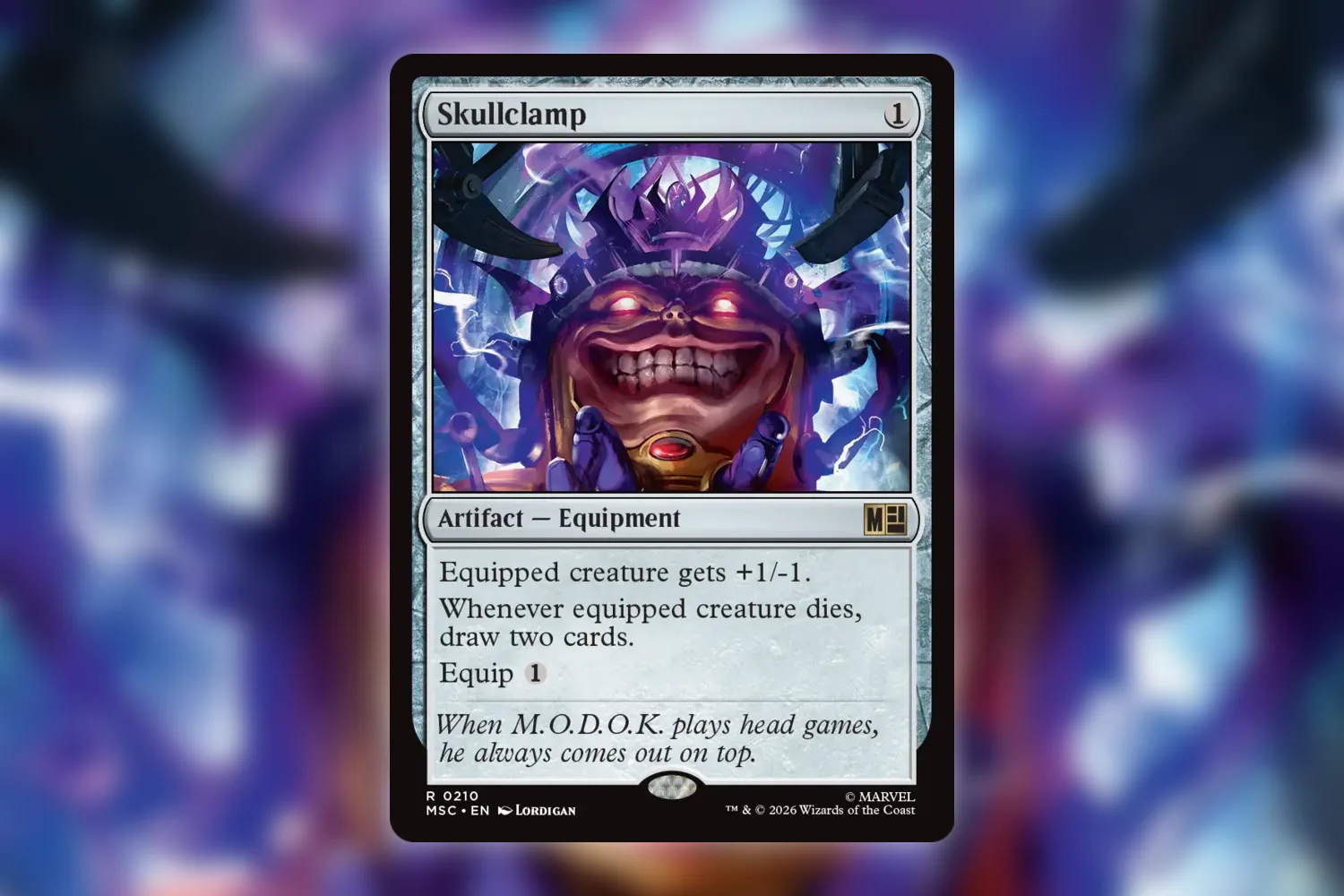
Skullclamp costs one mana to cast and one to equip. The equipped creature gets +1/-1, and you draw two cards when it dies. An ordinary 1/1 token with no other toughness changes becomes a 2/0 and dies, so a token deck can convert suitable bodies into cards for an equip payment each time. A toughness bonus can keep that token alive. Putting the Equipment on a larger creature also leaves you waiting for a death or needing another way to cause one.
And equip normally happens at sorcery speed. You can’t wait for a board wipe on an opponent’s turn, then start moving the Clamp around the table. I’d keep the casting and equip costs written separately in the inventory note; “one mana” leaves out a fair amount of the work.
Keep the selection spells in their own pocket
Ponder looks at three cards, lets you reorder them or shuffle, and draws one. It’s excellent at improving what you see next. Cast it from your hand and its one draw replaces the card you spent. I’d count it as selection, not an independent refill for a hand that’s running out of resources. EDHREC’s cantrip brewing article explores how decks can build around those small spells to get much more from them.
Faithless Looting draws two and discards two. Casting it from your hand leaves you down one card in hand overall: the spell itself. Its flashback casting draws two and discards two without spending another card from hand. That’s useful selection and potentially useful graveyard setup. A deck with no use for the discarded cards needs to be especially careful about calling it a solution to an empty hand.
Light Up the Stage goes behind a third divider, “access with a deadline.” It exiles the top two cards of your library and lets you play them until the end of your next turn. The spectacle cost is one red mana if an opponent lost life that turn; the normal cost is three mana. You still pay the costs of the exiled spells and follow ordinary timing and land-play limits.
Okay, two cards. Lovely. Except you already played your land, the other card costs six, and you’ve just spent the mana you had left. Maybe next turn. This is the bit I’d watch when testing: how many exiled cards actually get used before permission expires? The two visible cards are easy to count while the missed opportunities quietly disappear.
I’d happily use that effect in a deck with a low curve. I also catch myself being too dismissive of Ponder because the hand-size arithmetic is so tidy. Finding the land that lets you cast your existing spells can be more useful than drawing three spells you can’t cast. I don’t know how often your deck gets stuck on mana rather than cards. The separate pockets are there to help diagnose which problem keeps happening.
Give the pool a location, then borrow from it
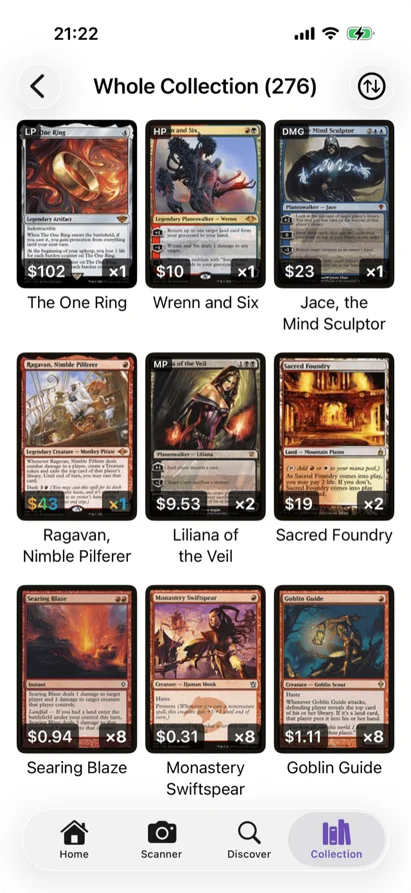
I’d make one search pass through the logged collection for “draw” and another for effects that exile cards and let you play them. Search the current card text where your tool supports it, then check the cards themselves. Pull candidates from old precons and loose-card boxes, filter for the deck’s color identity, and put each card behind the appropriate divider. The Scryfall audit searches can help find candidates in the database; they won’t establish whether you own an available copy.
For the collection record, I’d keep five fields: exact printing, quantity owned, physical location, copies committed to decks, and the condition that makes the card work. “Needs creature casts” is a more useful note on Beast Whisperer than “green staple.” In Eldwyn, I’d start with the cards already logged and confirm where the physical copies are before moving anything.
Leave a slip behind a divider when you take a card for a deck. A copy that’s already sleeved into another deck needs a deliberate move or a replacement; it doesn’t become available because two collection searches both found it. Keep the pool’s spare candidates together so the next deck can use the work you’ve already done.
After a few games, I’d record the actual miss: an engine drawn with no enablers left, a hand full of four-mana refills, or exiled cards that kept timing out. Then check the unused pocket for something that fixes that particular miss. If the gap survives that pass, you’ve got a reason to buy a card, and somewhere to put the one it replaces.