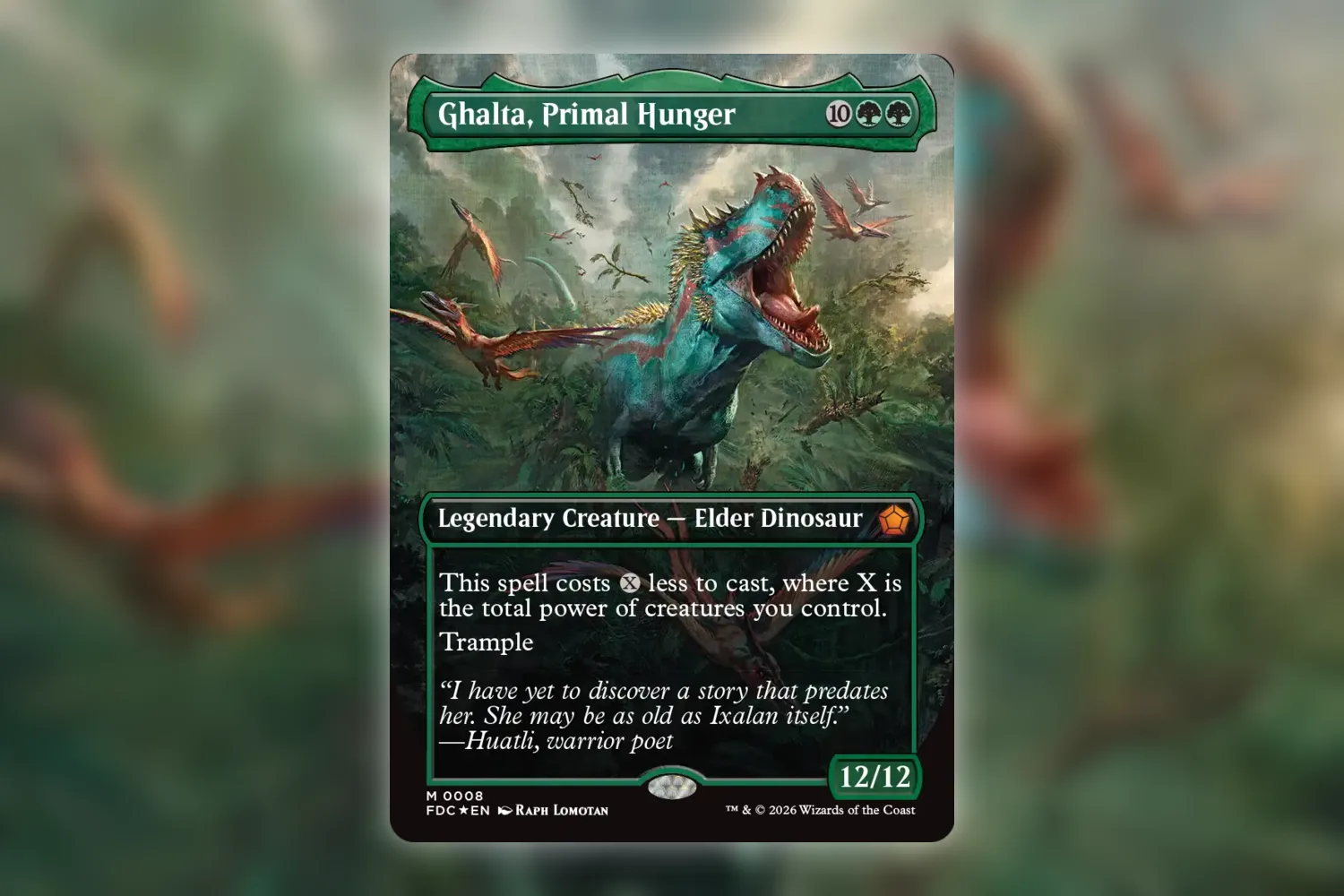
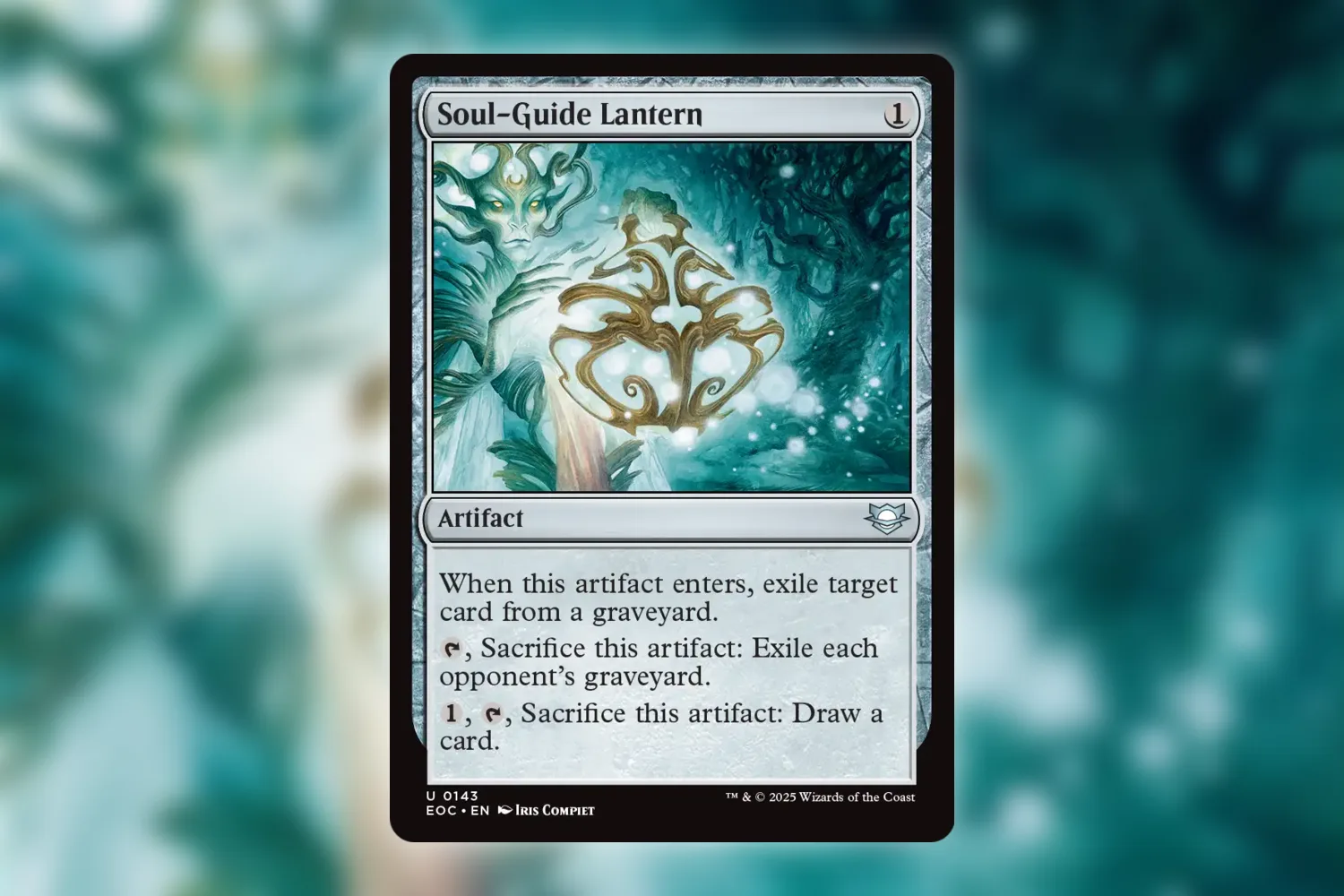
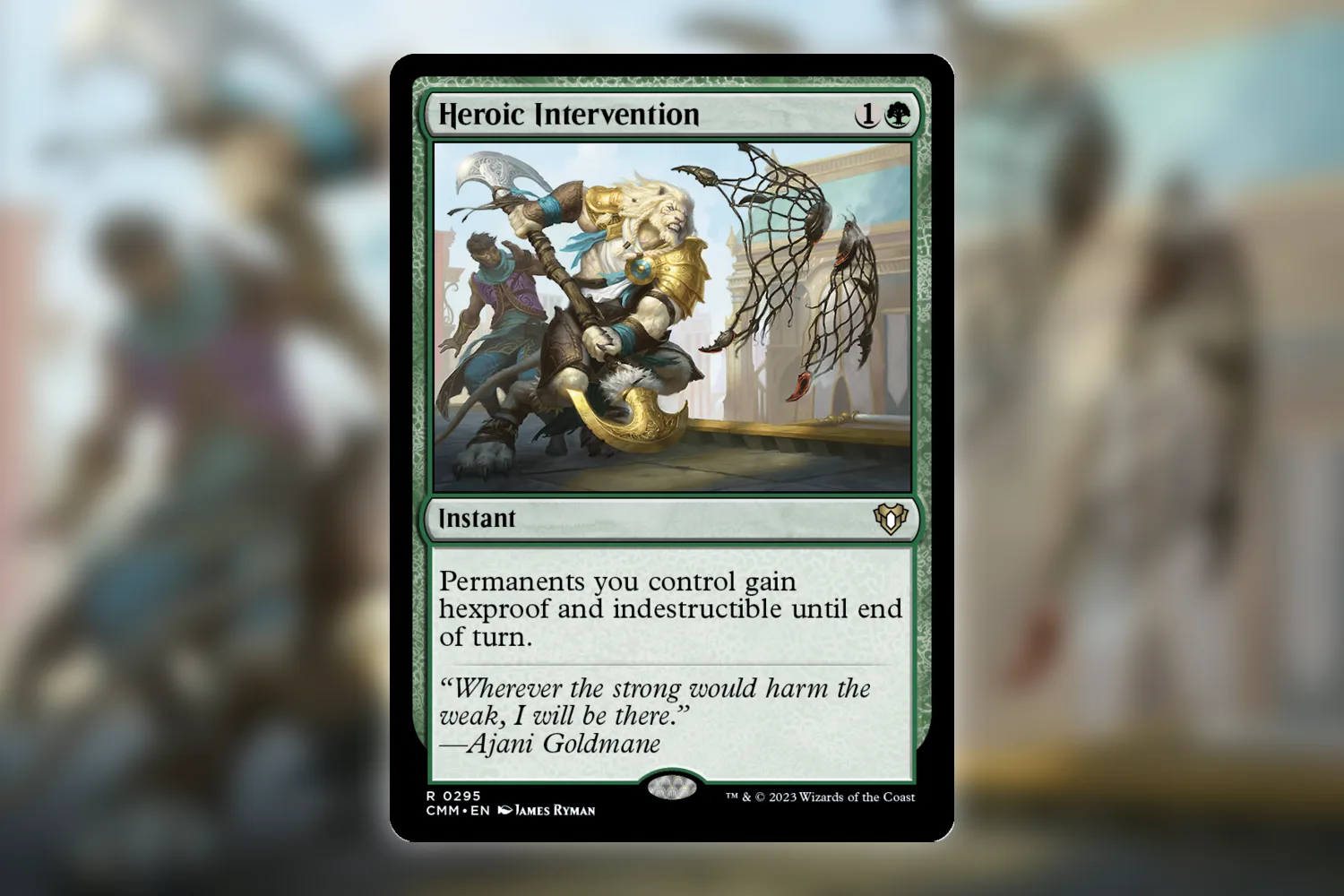
Heroic Intervention looks reassuring in an opening hand. Two mana, everything gets hexproof and indestructible, lovely. Then someone casts Farewell, chooses creatures, and the reassuring card stays in your hand while your board disappears. That’s where I’d start a Commander protection kit: with the things each spell can actually save, before deciding which spare copies belong in a deck.
A collection can contain plenty of protection and still leave an important hole. Three spells that save one creature from targeted removal won’t preserve a battlefield full of tokens. One impressive four-mana instant won’t help much if your deck spends every turn tapping out. I’d pull the candidates from the boxes first, then give each one a specific job.
A Commander protection kit starts with the spell across the table
Hexproof prevents opponents from targeting the protected permanent. Indestructible prevents destruction, including destruction from lethal damage. Wizards’ keyword glossary spells out both, along with the inconvenient detail that a creature with zero toughness still goes to the graveyard even if it’s indestructible.
Those two abilities explain why Heroic Intervention can answer Swords to Plowshares but can’t answer Farewell. Swords targets a creature; give that creature hexproof before Swords resolves and the target becomes illegal. Farewell’s creature mode exiles every creature without targeting any of them. Neither ability gets in its way.
Blasphemous Act is a different problem. It deals thirteen damage to each creature. Indestructible lets your creatures survive that damage, assuming nothing else changes their abilities or toughness. Heroic Intervention does a useful job there, even though hexproof contributes nothing against the sweeper.
I’d keep this little comparison beside the cards while sorting:
| What the opponent is doing | Hexproof | Indestructible | Phasing out the threatened permanent |
|---|---|---|---|
| Targeted exile or bounce | Stops opponents targeting it | Doesn’t stop it | Makes that target unavailable |
| Destroying it or dealing lethal damage | Only helps against opponents’ targeted effects | Prevents destruction | Keeps it out of the effect |
| Exiling everything of a type | Doesn’t stop it | Doesn’t stop it | Keeps it out of the effect |
| Making you sacrifice a creature without targeting it | Doesn’t stop it | Doesn’t stop it | Removes that creature from your available choices |
| Reducing toughness to zero | Only helps against opponents’ targeted effects | Doesn’t stop the creature dying | Keeps it out of the effect while phased out |
The phasing column needs a footnote. Saving one creature from a sacrifice instruction may leave you sacrificing another creature that’s still present. You must respond before the spell or ability resolves; you can’t wait to see the sacrifice choice and then rescue it halfway through resolution. An ongoing toughness-reducing effect can still kill a creature when it phases back in; phasing can outlast a temporary effect.
This is why I’d borrow the opponent’s removal spell for the audit. Put it beside your proposed answer and read both. The removal-kit guide looks at these same problems from the other side of the table.
The single-creature pile gets crowded quickly
Tamiyo’s Safekeeping costs one green mana, gives a permanent you control hexproof and indestructible for the turn, and gains you two life. It can save a creature, but it can also protect a land, artifact, or enchantment. If your deck depends on an enchantment staying around, write that broader coverage beside its name.
Loran’s Escape gives an artifact or creature hexproof and indestructible for one white mana, then lets you scry one. It can’t target an ordinary enchantment or land. Both spells can preserve one creature through a destroy sweeper; the other creatures still die.
The prices are worth checking before casually calling this the bulk pile. On October 16, Scryfall’s nonfoil USD references were $5.63 for Safekeeping’s Neon Dynasty printing, $1.48 for Escape’s Brothers’ War printing, and $17.22 for Heroic Intervention’s Commander Masters printing. These are reference prices for the linked copies. Condition, shipping, and a different printing can change what buying a replacement actually costs.
My imaginary Neon Dynasty draft disaster involves passing a useful uncommon, taking a foil basic, and then leaving the basic under a takeaway box at the store. I can see the entire sequence far too clearly. The foil survives in this version, obviously. It’s the takeaway box that gets a sleeve.
Okay. One green open. That’s the plan. Except you also want to cast the creature you drew, and now the protection spell is sitting there while you count your lands again. This is the part I’d actually test. Can the deck advance its board and keep the right mana available? Or does the answer only work on the turn where you do almost nothing?
I’d leave room for something that survives exile
Slip Out the Back costs one blue mana, puts a +1/+1 counter on a target creature, and phases it out. That creature is treated as though it doesn’t exist until it phases back in, normally during its controller’s next untap step. You can use it to keep your commander out of a resolving Farewell, provided the protection spell resolves first.
Phasing preserves the creature’s counters and takes attached Auras and Equipment along with it. It doesn’t cause leave-the-battlefield or enter-the-battlefield triggers. Scryfall’s rulings for Slip Out the Back cover those details. Your creature is also absent as a blocker for the intervening turns, which is an awkward discovery if it was the only thing discouraging an attack.
Clever Concealment extends that idea to any number of target nonland permanents you control. Its printed cost is two generic and two white mana, with convoke. Untapped creatures can help pay, including creatures that entered this turn; white creatures can pay for the white symbols. A handful of tapped attackers won’t help cast it after combat.
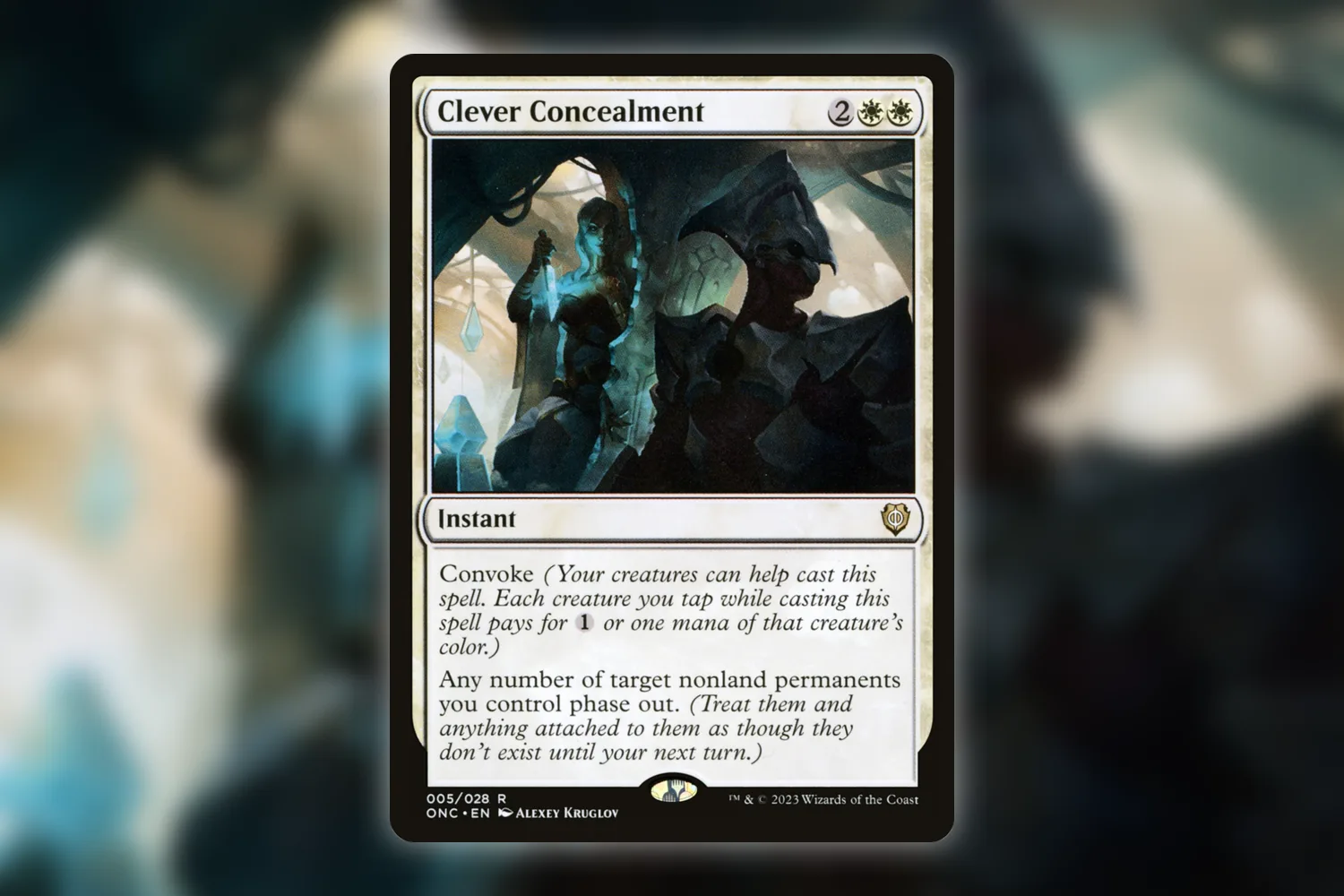
I’d check this one especially carefully in a token deck. It can shelter the tokens, their anthem enchantment, and your mana rocks together. Your lands stay present, and you can choose to leave other permanents present too. If your deck rarely has untapped creatures available, budget for paying the printed cost rather than optimistically writing “free” on the sleeve divider.
Boros Charm belongs in a separate slot. For red and white mana, one mode gives your permanents indestructible until end of turn. That’s useful against Blasphemous Act or a destroy sweeper, with other modes available when protection isn’t needed. Targeted exile and Farewell still get through. I’d keep both Charm and Concealment in the collection’s candidate pool, then choose according to the deck’s colors and the removal it keeps facing.
Returning a dead creature has its own catches
Malakir Rebirth costs one black mana, makes you lose two life as it resolves, and gives a creature a temporary ability that returns it tapped under its owner’s control when it dies. Against destruction or sacrifice, that can recover a valuable nontoken creature. Exile won’t trigger the return. A token that dies can’t come back this way either.
If you’re using it on your commander, you’ll need to leave the commander in the graveyard for the return trigger. Moving it to the command zone means the trigger can’t retrieve it. Also check whether another effect replaces going to the graveyard with exile. I’d put “must actually die” beside this card, because the word “protection” hides quite a lot of paperwork.
Its land back face can help it fit into a deck, though playing that face uses the physical copy for the land. You can’t also hold the instant ready. I wouldn’t count it as both an available land and an available rescue spell on the same turn.
Give the spare cards a home before choosing slots
For the physical audit, I’d use three dividers: one-permanent rescue, board-wide survival, and return-on-death. Give the first two an extra note for what they handle: targeting, destruction, or broader removal through phasing. Search terms such as “hexproof,” “indestructible,” “phase,” and “dies” produce candidates, including some unrelated cards you’ll have to put back. The Scryfall collection-search guide covers how to narrow the database side of that search.
In your collection record, note the printing, quantity, physical location, and how many copies are available. A card already assigned to an active deck needs a decision before another deck can use it. Eldwyn can help you find the cards you’ve logged; the box or deck holding the actual copy still needs to be identifiable.

I’d try three protection slots in a casual deck that depends heavily on its commander: two affordable-to-cast single-creature answers and one answer that covers a wider board or a different removal type. That’s a starting preference, not a recommended count for every deck. EDHREC’s discussion of protection packages makes a useful counterargument: sometimes those slots and that held-open mana slow the deck down more than recasting the commander would.
I agree with that more than my carefully labeled dividers suggest. A deck with interchangeable creatures may be happier drawing another threat. I don’t know your group’s removal habits, and I’d rather try the available spells for a few evenings than buy an expensive answer to a sweeper nobody casts.
After those games, write down the actual miss: “couldn’t save the enchantment,” “all my answers lost to exile,” or “never had two white available.” Check that gap against the remaining pool and your want list before ordering. Keep the spare spells behind their dividers when you’re done, including the one you cut. Another deck may have the mana for it.