The words “mechanically unique promo” are doing an unreasonable amount of work on the Marvel: Darkhold Destiny product page. I went looking for Hela and came away comparing two bundles that each advertise cards with their own gameplay. Six months before release, I’ve already got a question about which box contains which piece of cardboard. Very efficient of them.
Wizards’ announcement confirms an April 9, 2027 release. The New York Comic Con reveal pairs Marvel’s supernatural characters with an original story developed for Magic: Hela and Dormammu tear open the walls between realities, and the heroes have to deal with the consequences. There’s a tie-in comic too, with a digital release in February and a physical release in April. I’m mostly interested in the cardboard consequences, although Doctor Strange having an absolutely terrible afternoon sounds promising.
My early collecting plan has two parts: work out where the distinct cards live, then keep a small list of the versions I actually want. The product page already gives us enough to start the first part. Prices can wait.
Darkhold Destiny has two different bundle questions
The official product lineup lists an ordinary Bundle with nine Booster Packs, five full-art Strange Places basic lands, an oversized Spindown, and a mechanically unique mythic rare promo. The Arcanum Bundle has eight Booster Packs, a Collector Booster, full-art Bifrost lands, a Spindown, and mechanically unique Arcanum promo cards with exclusive art.
That description is unusually useful this early. It tells someone collecting gameplay cards to watch both bundles. The ordinary Bundle advertises a single unique mythic; the Arcanum version advertises multiple unique promos. Their names, complete text, and availability through other products are questions I’ll want answered before paying for either box.
“Mechanically unique” tells us the promo has its own gameplay identity. It doesn’t establish how scarce it’ll be, whether it’ll be desirable, or where else Wizards might distribute it. I’m leaving those spaces empty until the collecting article or complete product contents fill them in. A bundle can contain a card I want and still be an expensive way to acquire that one card.
For a collector who likes lands, the decision has another layer. Strange Places and Bifrost are different advertised land offerings. Once the gallery is fuller, I’d compare the actual pictures and finishes before deciding whether I want a matching set. Five attractive lands are a manageable collecting project. Adding every premium version of those lands is a different evening with a calculator.
I do like bundles. There, I’ve undermined my own restraint already. A storage box, some lands, a ridiculous die, packs to open with someone: that’s a perfectly reasonable hobby purchase if you want those things. I just want the promo’s name written beside the purchase before I talk myself into a second bundle because the first one somehow felt incomplete.
The earlier Marvel Scene Box comparison is useful background for the same decision. You can put a value on the included cards and still decide you want the physical display. Those are separate reasons to spend money, and I find it helps to say which one I’m using.
The shiny precons need their own rows
EDHREC’s reveal coverage names four Commander decks: Strange Academy, Gods of Asgard, Midnight Sons, and Lords of Hel. Wizards’ product page also advertises Collector’s Edition Commander decks, describing a 100-card deck in Surge Foil.
Regular and Collector’s Edition copies should go on separate shopping lists from the start. We still need the full decklists and detailed treatment information to judge the premium versions. A favorite character might justify a special finish for the commander; committing to an entire shiny deck is a much larger preference to discover after checkout.
The ordinary precon is the reference point I’d use when those lists arrive. First, which of its cards would I play? Then, which do I already own? After that, I can decide whether I care about a particular treatment. The precon-versus-singles calculation gets a lot easier once the list exists and the reprints can be matched to actual copies in a binder.
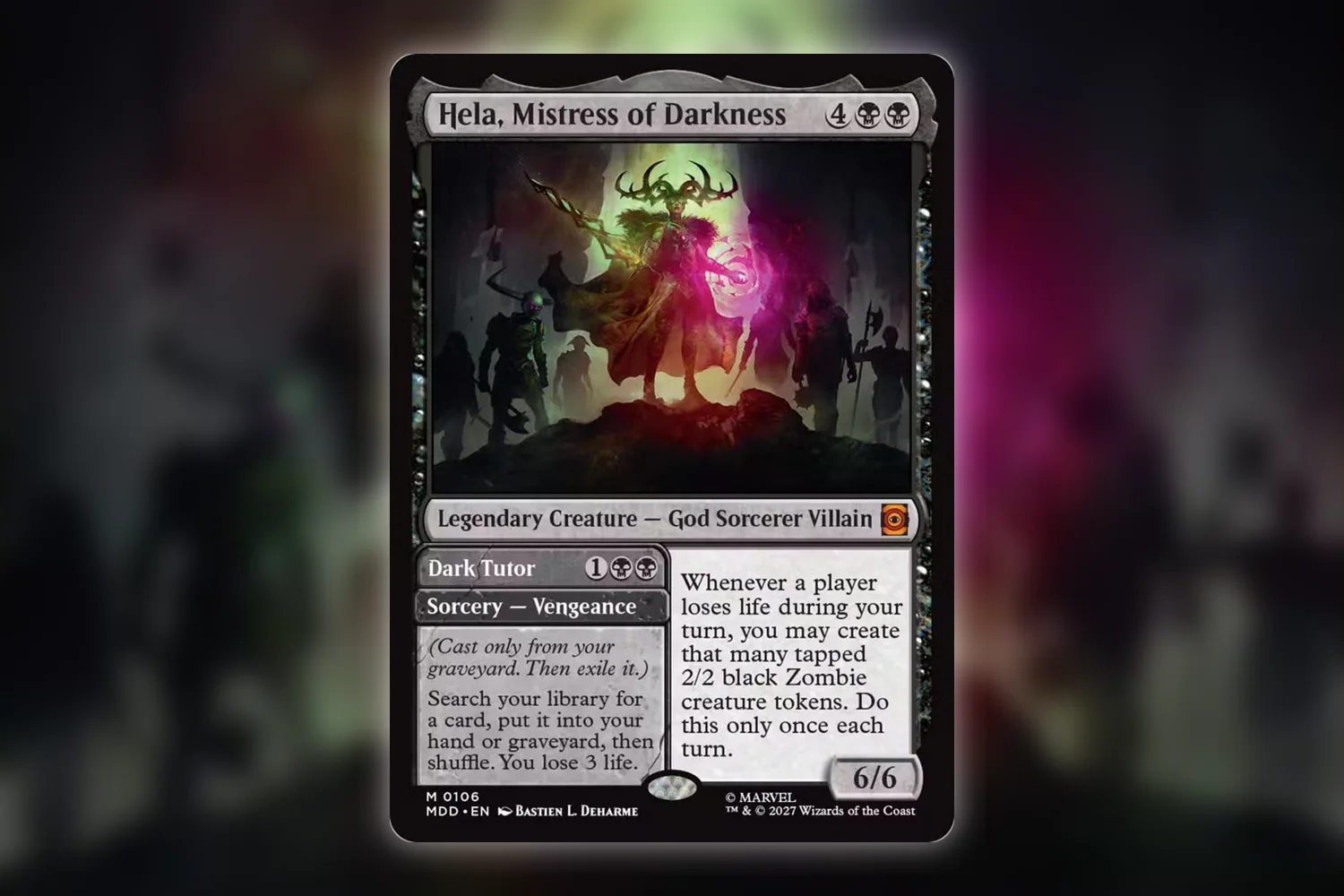
There’s a surprisingly specific cataloging example among the previews. Hela, Mistress of Darkness // Dark Tutor is one card with a creature and a Vengeance spell. Magik, Illyana Rasputin // Darkchild, Demon Uncaged is a transforming double-faced card. They both present two names, with different layouts underneath.
If you’re making an early want list, keep each physical card as one entry. Add the set code and collector number when choosing a version. Hela’s preview is MDD 106; Magik’s is MDD 242. Searching for the second name later shouldn’t create a second purchase requirement. The double-faced card cataloging guide covers that particular nuisance in more detail.
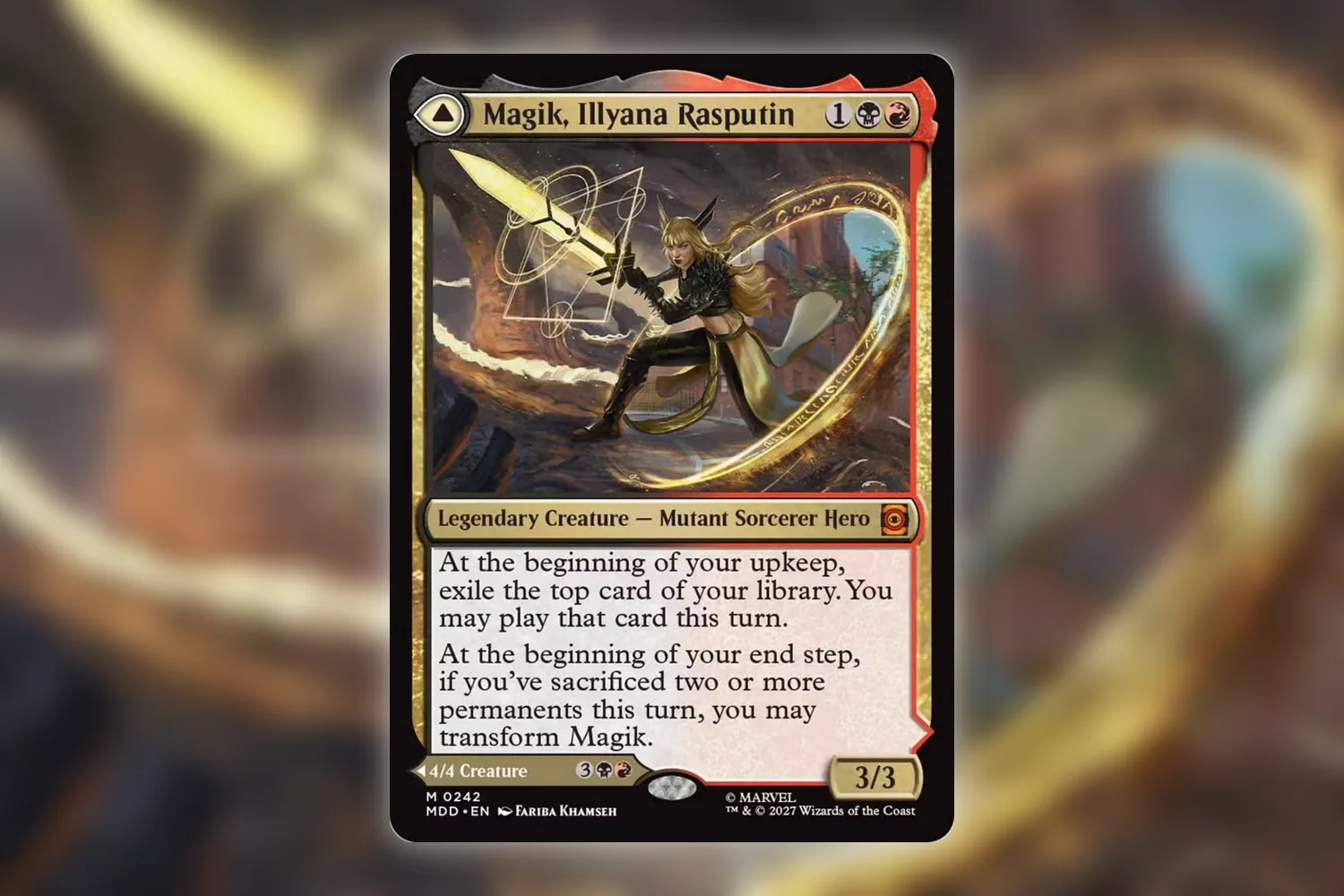
I still associate double-faced cards with fumbling through an Innistrad draft and forgetting which way round Delver of Secrets was facing in its sleeve. I managed to announce the insect, show everyone the wizard, and then spend longer fixing the sleeve than resolving the trigger. An extremely convincing display of technical play. Magik at least gives me a more dramatic demon to reveal while doing the same thing.
Hela’s two-part layout is also a reason to wait for proper rules explanations before buying supporting cards. EDHREC identifies Vengeance as a new spell subtype associated with casting from the graveyard. That’s plenty to get deckbuilders interested. I’ll want the set’s release notes before treating a proposed Commander interaction as settled, particularly when the command zone gets involved.
A scene is a smaller project than a whole Marvel set
Two Scene Boxes are already named on Wizards’ page: Assault on Asgard and Skirmish at the Sanctum. Each advertises six borderless scene cards. The first depicts the story’s conclusion; the second shows Doctor Strange defending the Sanctum Sanctorum as Bleecker Street erupts into chaos.
Six connected cards give you a boundary you can actually see. A character collector could choose one scene, record its six collector numbers, and be done when those spaces are filled. Whether the boxes or individual singles make more sense will depend on their contents and prices. We have neither enough pricing nor the complete card details to run that comparison today.
Collector Boosters introduce more possible detours. The official description mentions source material cards, silver foil cards, and Midnight Raised Foil team-ups. It names those treatments without giving the full distribution and odds I’d need for a buying recommendation. For now, I’m writing the treatment names down and waiting to see which characters receive them.
Okay. Hela looks good. Magik looks good. The raised foil thing might look good too, I don’t know yet. I can already feel the list expanding. So I’m giving myself three character slots and one optional land project. If the scene cards win one of those slots later, fine. Something else comes off.
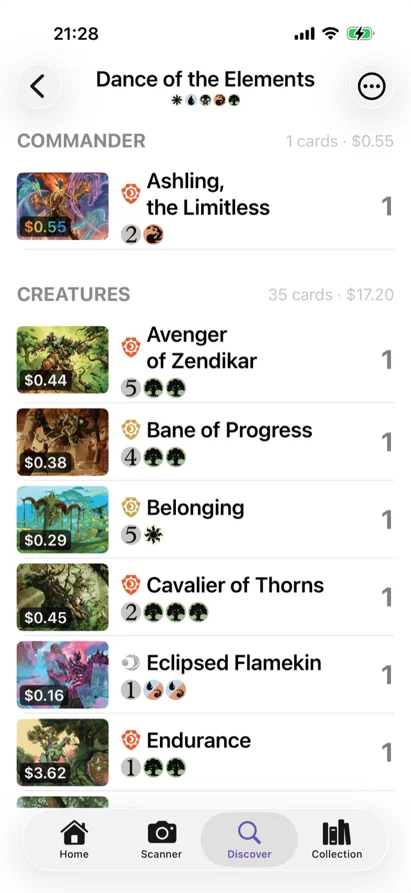
In Eldwyn or a spreadsheet, I’d keep the preview watchlist apart from owned cards. My notes would be very plain: character or card, preferred version, intended deck or display, and the product details still needed. A blank price stays blank. The MDD preview entries I checked on October 10 have no listed USD or foil prices, so there’s no useful collection-value total to attach to them yet.
When decklists arrive, I’ll compare them against what I own before adding upgrades. When the promo text arrives, I’ll decide whether either bundle contributes something I want. And when the fancy finishes have proper images, I’ll probably spend far too long zooming in on Magik. At least that part’s free.