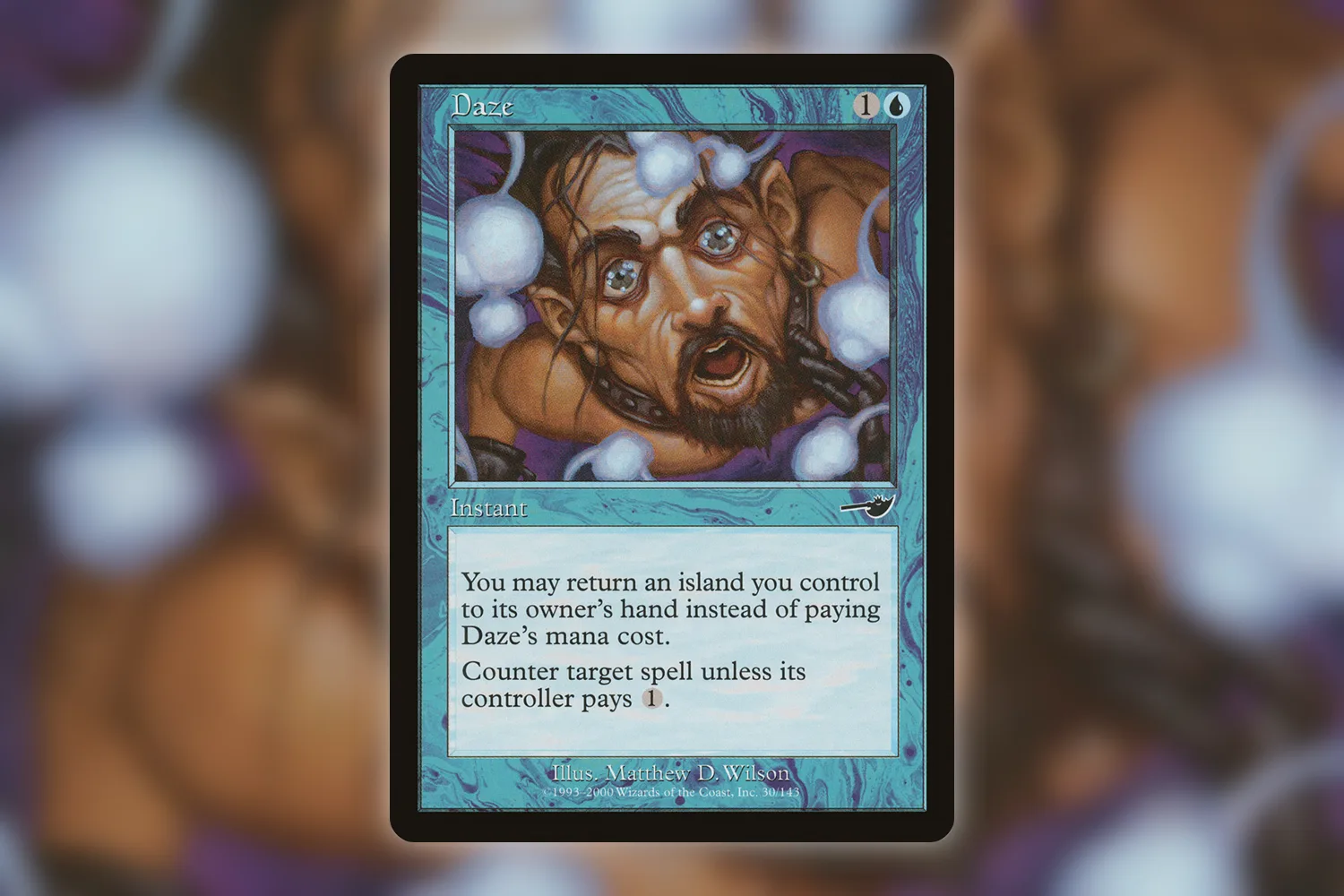
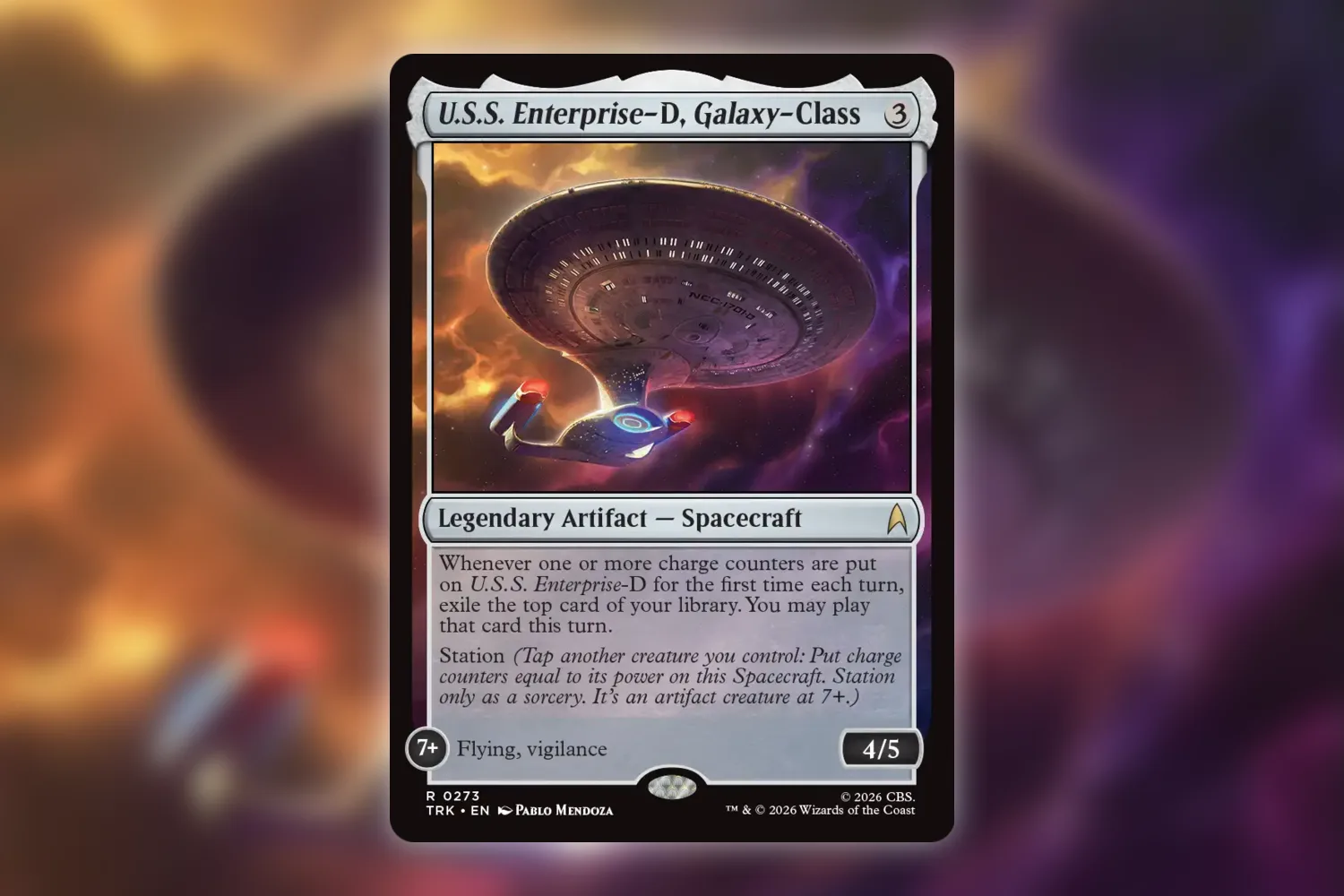
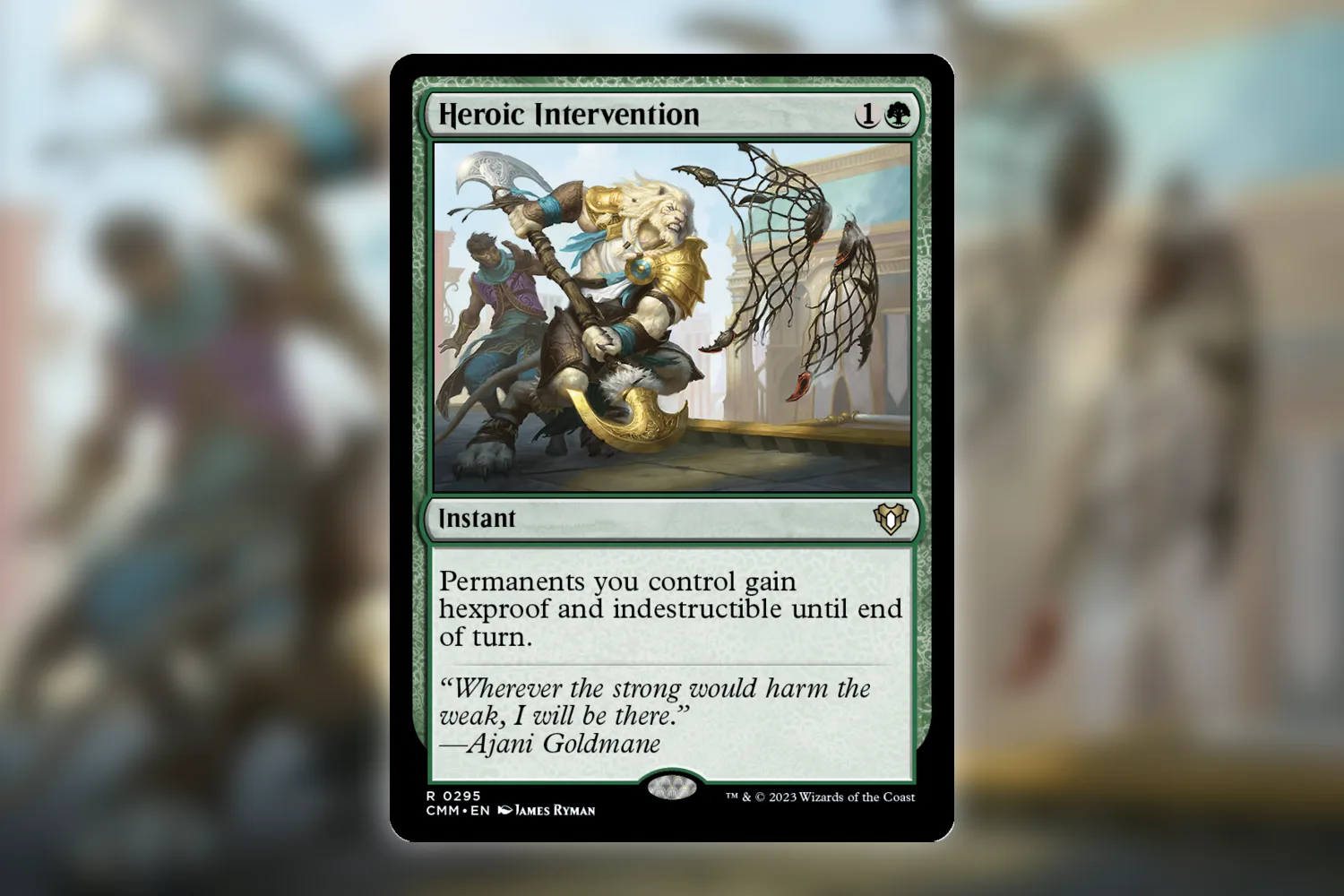
The worst way to start a Magic collection is to buy a box of boosters first. I’ll die on this hill, even though it’s exactly what I did back in 2016, tearing into a stack of Kaladesh packs at my kitchen table with zero idea what half the cards did. I pulled a Smuggler’s Copter that first pack, didn’t know what a crew cost was, and definitely didn’t know it would get banned in Standard within the year. Still don’t know where that copy ended up. Probably traded it for something worse.
If someone asked me today how to start an MTG collection from zero, in 2026, with none of that baggage, I’d tell them almost the opposite of what I did. Buy one thing you can actually play with. Then get sleeves before you get anything expensive enough to care about. Everything after that mostly takes care of itself.
Get one deck before you get any packs
Packs feel like the obvious first purchase because that’s the iconic Magic experience, the foil pack rip, the anticipation. But a stack of packs doesn’t make a deck. You’ll end up with sixty to ninety random cards across four or five colors and no coherent way to play any of them together, which is a genuinely bad first night with the game.
Magic: The Gathering Foundations exists specifically to solve this, and it’s still the easiest recommendation almost two years after it released. Wizards built it as a permanent, non-rotating entry point, Standard-legal through at least 2029 by their own announcement, which means it’s not going anywhere while you figure out if you like the game. The Beginner Box comes with ten pre-built Jumpstart decks you shuffle two together, a couple of playmats, and a tutorial booklet that walks you through your first game turn by turn. You don’t need anyone else who already plays to teach you.
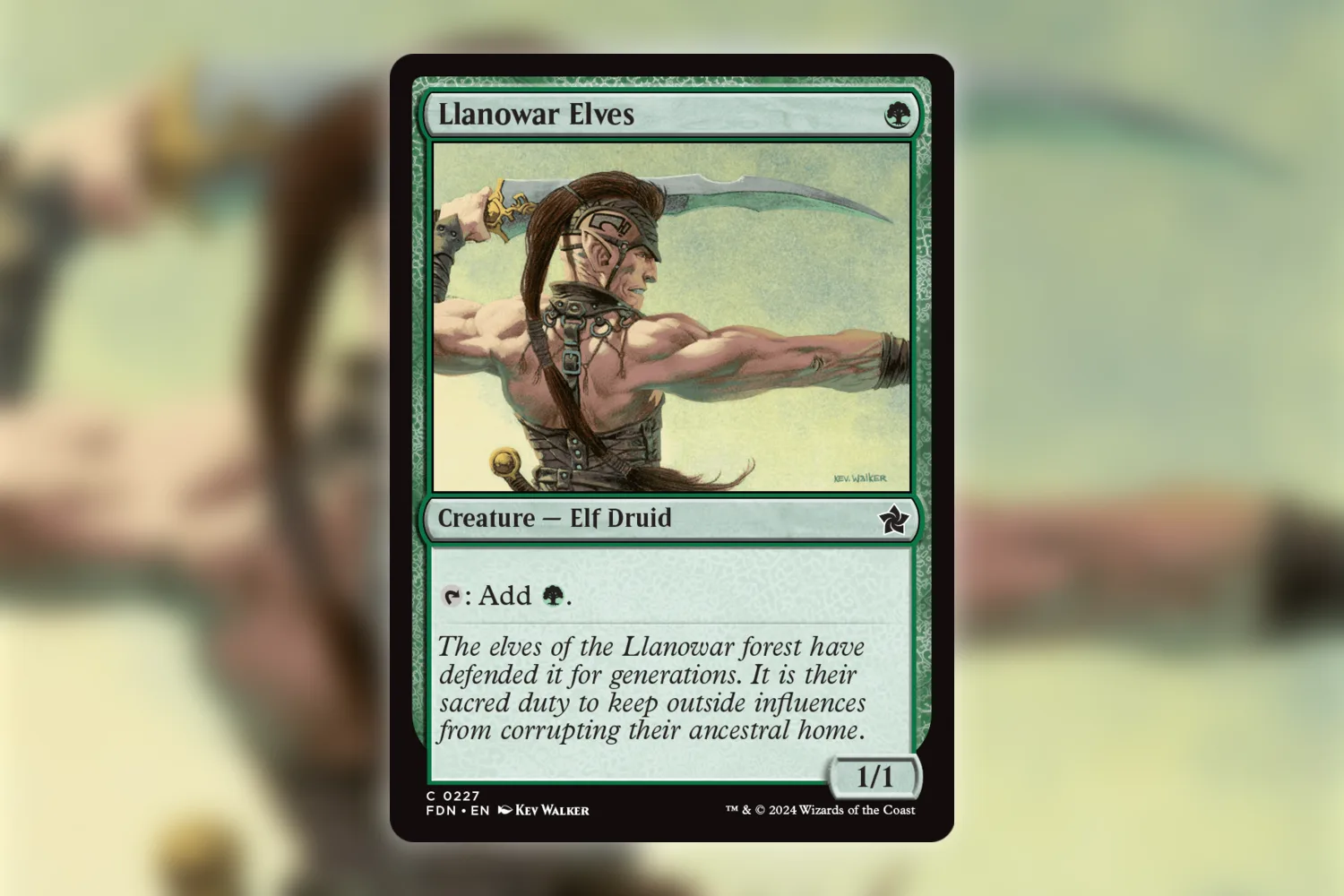
If you already know you want Commander specifically, skip the Beginner Box and grab one of the Foundations Commander Decks instead. They’re mono-colored on purpose, which matters more than it sounds like it should. A green deck that only wants to ramp into big creatures is a much easier first hundred cards to understand than a two-color deck asking you to juggle interactions between them.
Either way, the point is the same. One preconstructed, functional deck, before a single loose pack. You can always crack boosters later once you know what you’re building toward.
Sleeve everything before it’s worth sleeving
Here’s the part that actually costs money, and it’s not the cards. A hundred count pack of decent sleeves runs somewhere around ten to thirteen dollars, and you should buy them before your first deck, not after you pull something you regret leaving bare. I know that sounds paranoid for a $30 precon full of commons. It is a little paranoid. Do it anyway.
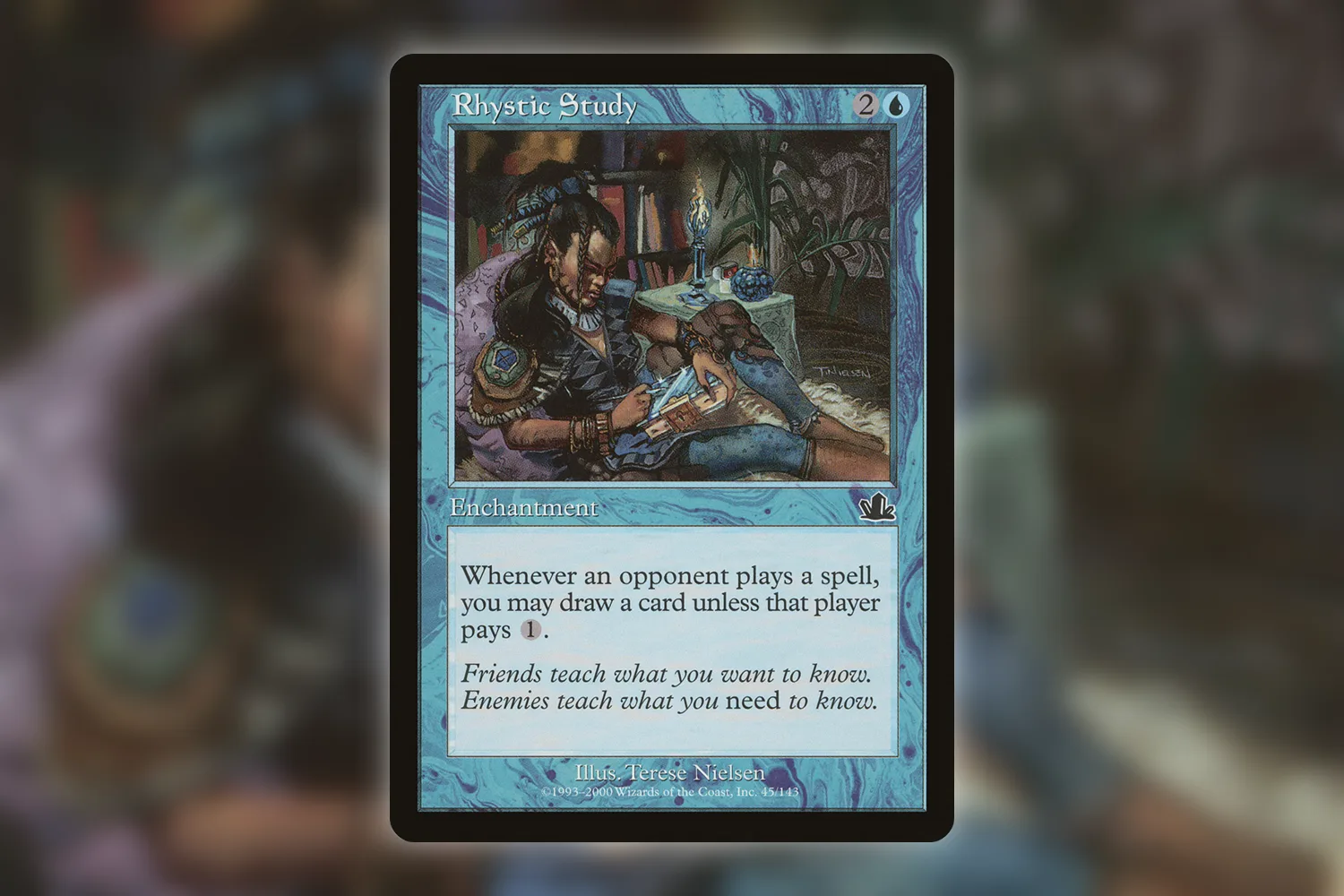
The logic isn’t really about protecting value you don’t have yet. It’s about habit. If you sleeve from day one, you never go through the phase where half your binder is mint and half is beat up because you only started caring once a card got expensive. I’ve seen this exact thing happen to a friend’s original-printing Rhystic Study, unsleeved for two years in a 60-card pile before anyone told him it had quietly become the most valuable card in his box. Corner wear, a little scuffing on the back. Nothing catastrophic, but nothing he can undo either.
Beyond sleeves, don’t overthink accessories. A cheap deck box, some dice or a spindown for life totals (Foundations Beginner Boxes ship with two, conveniently), and you’re set for actually playing. Toploaders and binders come later, once you own things worth putting in them. I wrote a whole framework for when a card actually justifies sleeve, toploader, or slab tier protection if you want the fuller version once your collection has some teeth to it.
Track what you have starting with card one, not card five hundred
This is the part collectors wish someone had told them, and it’s the actual reason I’m writing this instead of just linking a buyer’s guide. Everybody who’s been playing more than a few years has a shoebox, or a drawer, or an old lunchbox somewhere with a few hundred cards in no order whatsoever, because tracking felt unnecessary right up until it very much wasn’t. I’ve dug through a version of that box myself. Found a foil Aether Hub from my own Kaladesh days sitting between two lands I don’t even remember owning, worth about forty cents now, which tells you something about how much of what you pull early on is just noise.
The habit that actually helps is boring. Every time you get new cards, whether that’s a precon, a couple of packs, or trades from a friend, log them before they hit the pile. Doesn’t need to be fancy. I use Eldwyn for this now, mostly because scanning a stack takes less time than typing card names into a spreadsheet, but the tool matters less than doing it at all, every time, before the backlog builds. Waiting until you’ve got a genuinely unsorted mountain of cards to deal with turns an ongoing five-minute habit into a lost weekend.
So yeah. Tracking. I know it’s not the fun part. Nobody gets into Magic because they want to manage a spreadsheet, they get into it because a friend showed them a deck that did something cool at a kitchen table. But the tracking habit is cheap to build early and expensive to build late, and that’s basically true of everything on this list.
The part I actually go back and forth on
I’ll admit I’m not fully sold on recommending Foundations over just telling someone to buy whatever precon matches a show or property they already like. Universes Beyond decks get people in the door for reasons that have nothing to do with Magic being a good game, and honestly that’s fine. If a Lord of the Rings or Marvel precon is what gets someone to actually sit down and play, the fact that it’s not the “correct” beginner product barely matters. I keep wanting to say Foundations is objectively the better first purchase, and then I remember my cousin got into the game entirely because a Hobbit precon had a dwarf on the box he liked the look of, and none of my careful reasoning about non-rotating Standard legality was relevant to him at all.
He got a Foundations Beginner Box for his birthday this spring too, actually, and tore into all ten Jumpstart decks before I could stop him. Took me a solid twenty minutes afterward, squinting at the little theme icon in the corner of each card, to sort the Cats deck back out from the Vampires deck so the tutorial would still work. He didn’t care. He just wanted to play with the angel cards.
What not to buy first
Don’t buy a Collector Booster box. Not because they’re bad, they’re gorgeous, but because the entire value proposition of a Collector Booster is chasing rare treatments of cards you don’t have context for yet. You’ll pull a beautiful foil something and have no idea if it’s good, expensive, or both, which isn’t a great first impression of what MTG collecting actually feels like.
Don’t buy singles off a want list either, not yet. You don’t have a want list yet. That comes later, once you know what decks you actually want to build and what’s missing from them. Buying random expensive singles before you’ve played a dozen games is how you end up with a binder full of cards for a deck idea you abandoned in week two.
And don’t buy bulk lots hoping to find hidden value. New players sometimes hear that bulk boxes have hidden gems (they do, sometimes) and think that’s a shortcut to a real collection. It isn’t. It’s a shortcut to owning four thousand commons you have to sort through eventually anyway, minus the part where you actually learned to play the game along the way.
Buy the one deck. Get the sleeves. Log what you open. Everything past that is just Magic being Magic, which is to say, it’ll happen to you whether you plan for it or not.