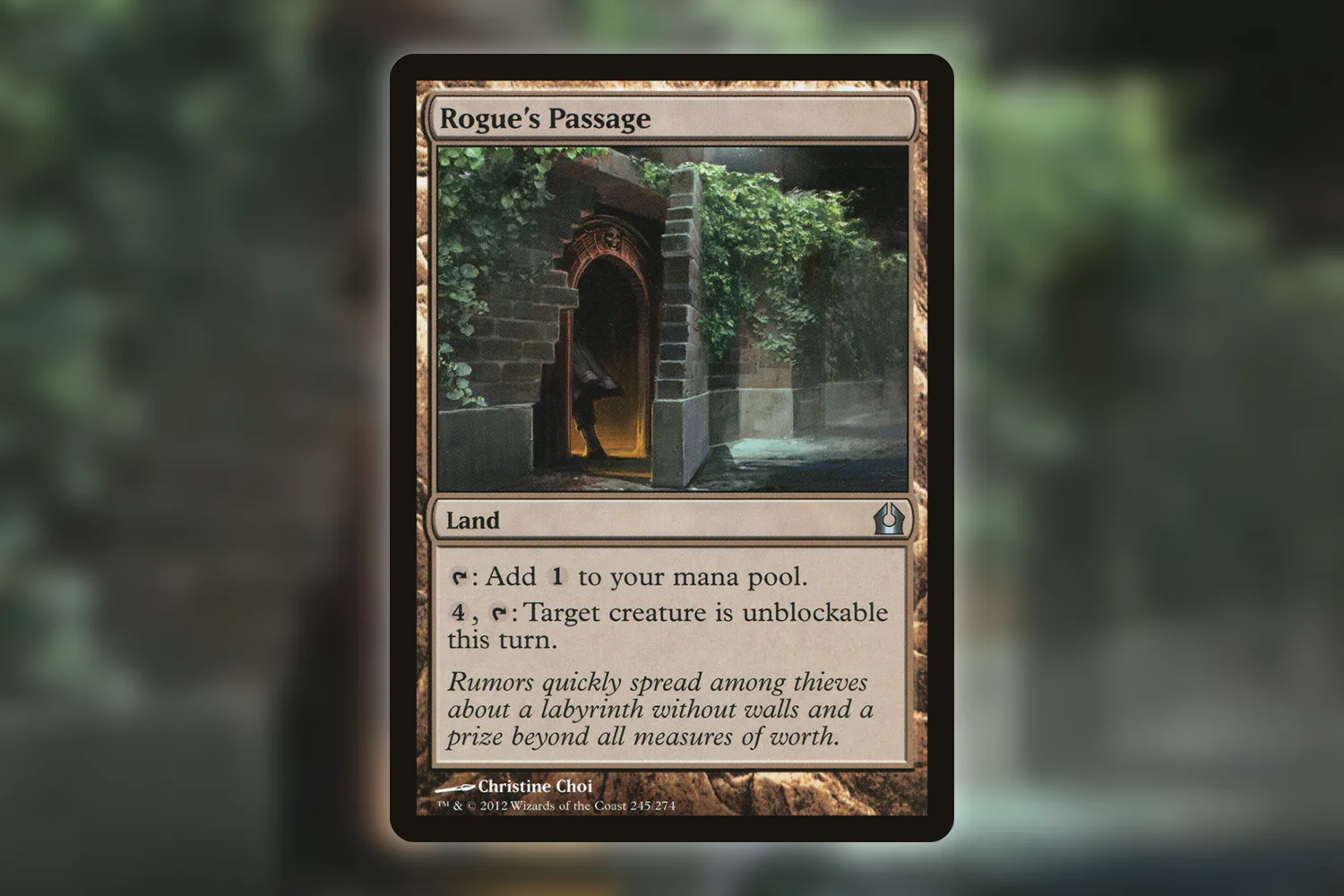
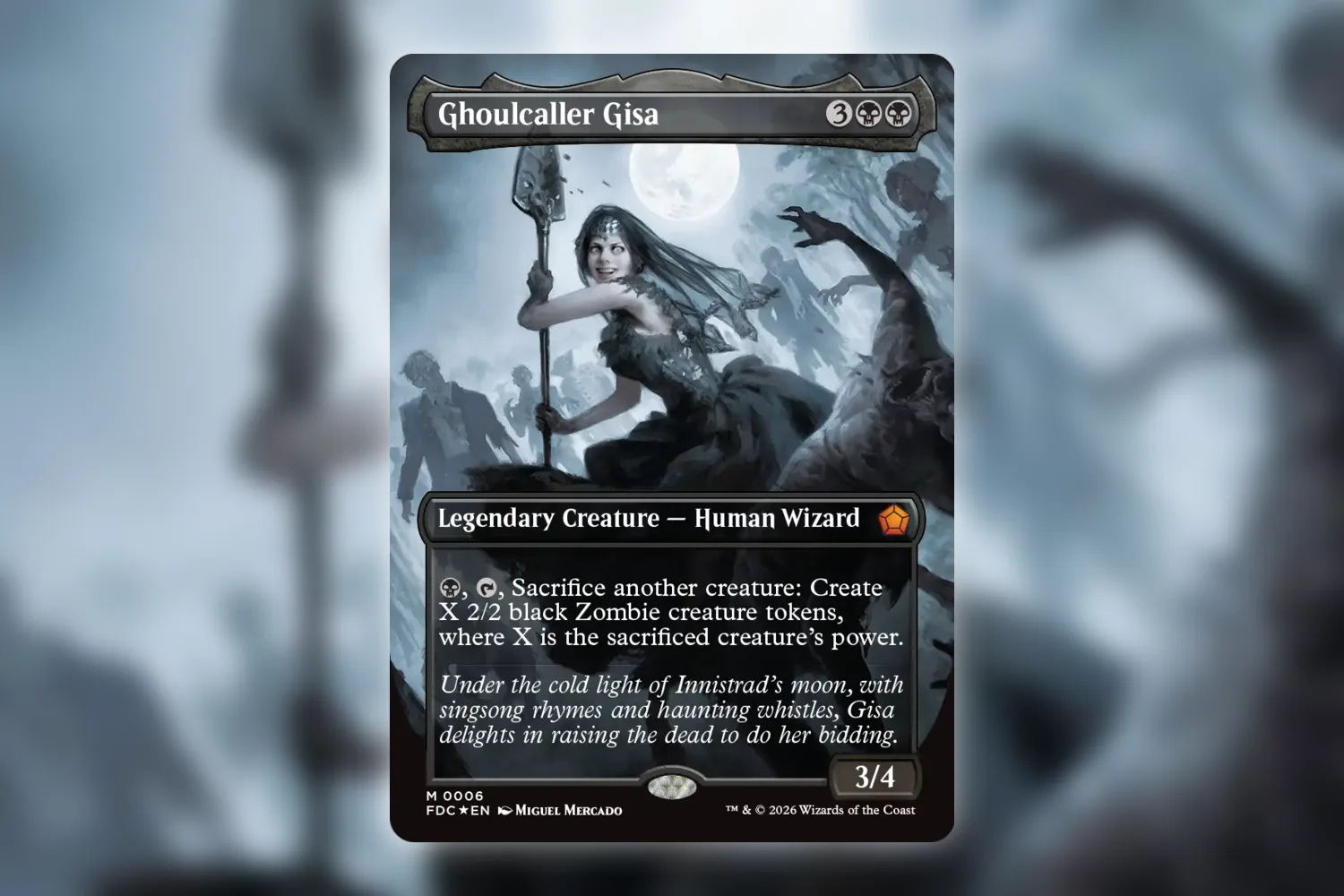
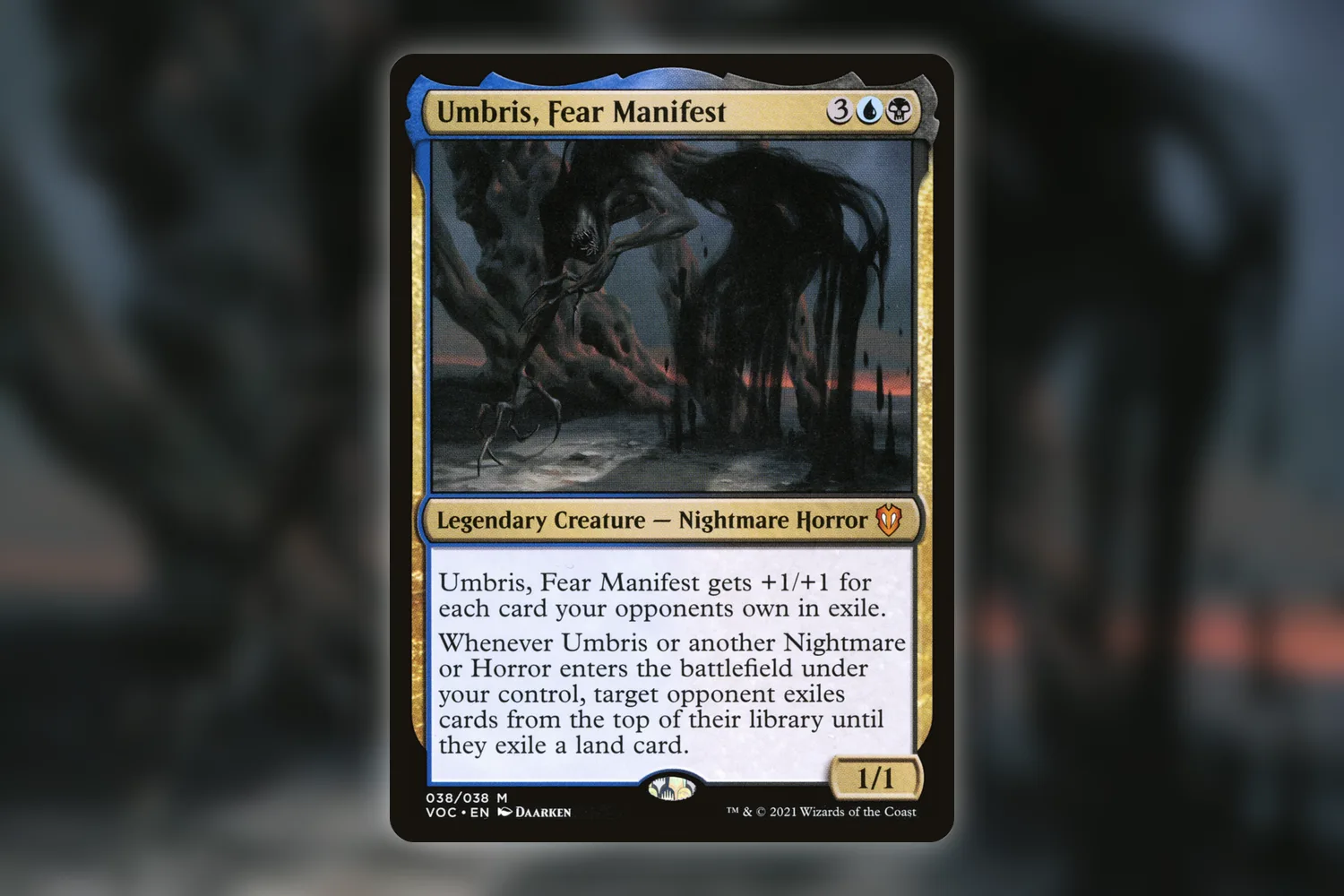
There’s a Dragon Shield box on the shelf above my desk with masking tape on the lid that says CUBE v3. The v3 is generous. Versions one and two were the same box with slightly different cards in it, and I never wrote down what changed between them, so as far as anyone can prove there has only ever been one cube.
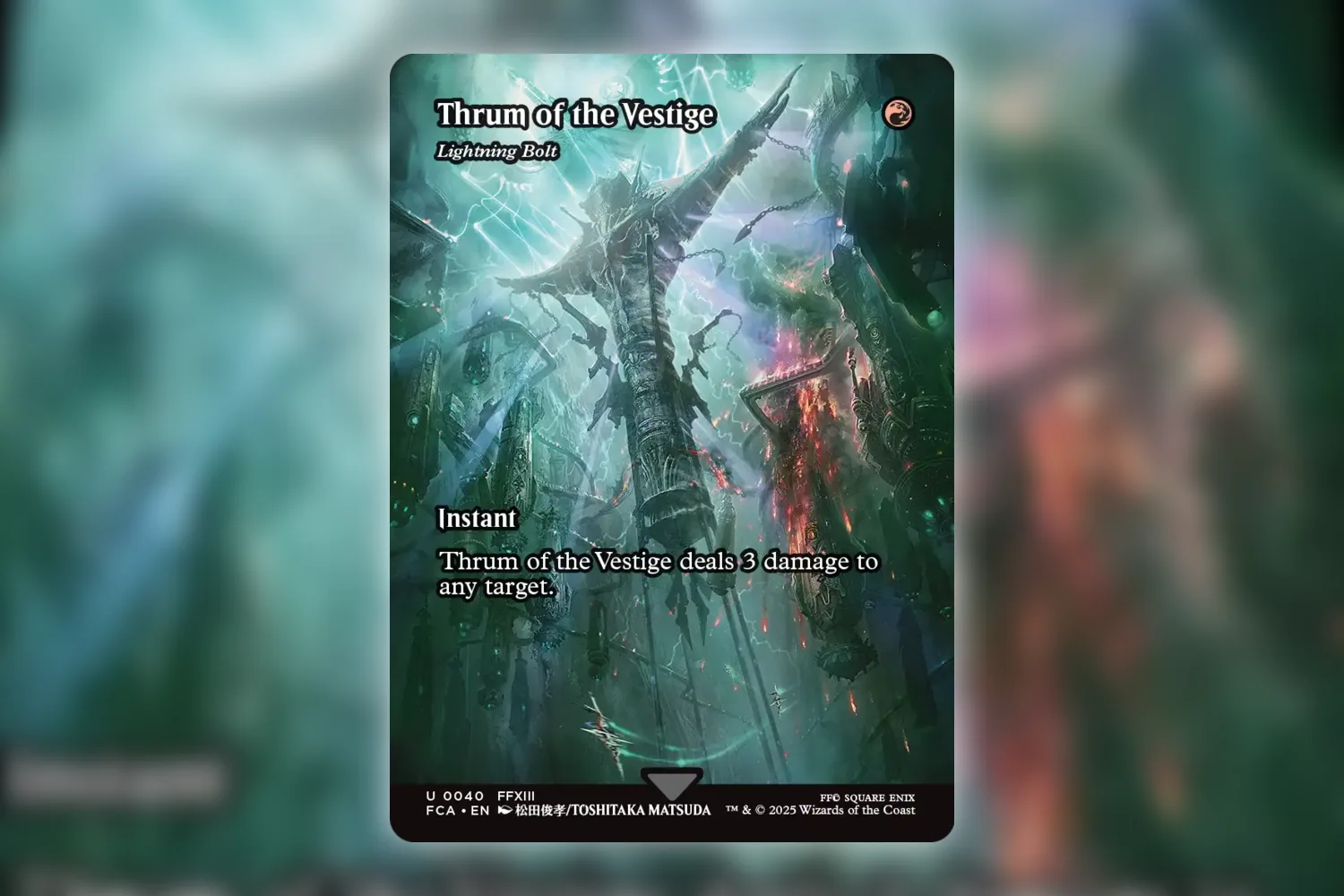
Building an MTG cube out of your own collection is the cheapest genuinely good idea in Magic. You already have most of it. Cube staples skew heavily toward commons and uncommons that have been reprinted eleven times, and the prices reflect that. Lightning Bolt is $0.66 in its cheapest current printing. Kird Ape is $0.15. Grim Lavamancer is $0.31. Those are all real cube cards that shape real drafts, and they cost less than the sleeves you’re going to put them in.
The part nobody mentions is that pulling 360 singleton cards out of a collection is a search problem, not a design problem, and once they’re in the box they stop being available to anything else you own.
360 is the number, and it’s not arbitrary
Eight drafters, three packs each, fifteen cards a pack. That’s 360, and it’s the floor for a cube that supports a full pod. Above that you get 540 and 720, which mostly exist so you can draft twice without reshuffling the same cards back in. Plenty of people run smaller. I’ve drafted a 270-card cube at four players and had a great time, and the CubeDungeonCon writeup Hipsters of the Coast ran in June had a powered vintage cube in the top 8 sitting at 432.
So pick a number, but pick one you can actually fill, because the difference between a 360-card cube and a 450-card cube isn’t 90 cards. It’s 90 cards you have to go find, one at a time, each one a different set, each one somewhere in your collection or not in it at all.
Here’s what that actually looked like for me. I pulled a list off CubeCobra I liked, trimmed it to things I thought I owned, and then spent an entire Sunday going box by box. Nine hours. I found about 240 of them. Twenty more turned up later in decks I’d forgotten I’d built. The rest I had to buy.
The singleton rule is what makes it hard to search
A Commander deck is a hundred cards but they’re a hundred cards you’re actively thinking about. A cube is 360 cards drawn from thirty years of Magic with no two the same, which means there’s no shortcut. You can’t pull a playset. You can’t grab a chunk of one set. Every slot is its own scavenger hunt across binders, bulk boxes, and whatever’s currently sleeved.
And singleton means by card name, not by printing. A foil Sol Ring and a precon Sol Ring are the same card as far as the cube is concerned, which sounds obvious right up until you’re 300 cards in at midnight and you sleeve a second Solemn Simulacrum because the art was different and you weren’t paying attention. That’s $0.32 of mistake and forty minutes of finding it again.
This is the bit where a collection app earns its keep, and I say that as someone who spent the first two versions of this cube working off a text file. Eldwyn added cubes as their own container type back in August, alongside binders, decks, and sealed boxes, and the useful part isn’t the list. It’s that it flags a duplicate by name when you add one, and it doesn’t block you, it just tells you. Some cubes intentionally run duplicates, so there’s a toggle. You can also paste a CubeCobra link or a plain text list straight in rather than typing 360 names, which is how I’d do it if I were starting over.
Those cards are gone now
This is the thing I actually came here to say. A cube is not storage. It’s 360 cards you have deliberately made unavailable.
Sleeved, boxed, and off-limits, which means every deck you build from now on is building from a collection that’s 360 cards smaller than the number in your head. I found this out the annoying way. Built a Commander deck about a month after finishing cube v2, got to the end, and the shopping list told me to buy a Phyrexian Arena for $5.03. I owned a Phyrexian Arena. It was eleven feet away in a box with tape on it.
Eldwyn handles this better than my text file did, which is a low bar but still. Cube cards don’t get offered up as deck-building sources, because they’re not sources, they’re sleeved. But when a deck needs a card your binders can’t cover, it tells you which cube has it and how many copies are in there. So you get the choice: buy another one, or go break up your cube. Both are legitimate. Being told to buy a card you already own is not.
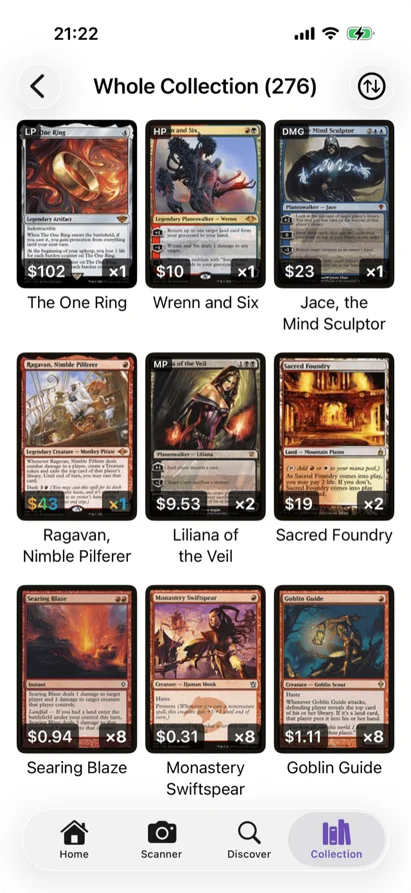
The same applies to your collection’s total value, by the way. If you’ve read the post about how much of a collection ends up sleeved into decks, a cube is that problem again but concentrated. Three hundred and sixty cards that count toward what you own and don’t count toward what you can play with.
What you’ll actually have to buy
The cheap 85% is genuinely already yours. The expensive 15% is where a cube stops being free.
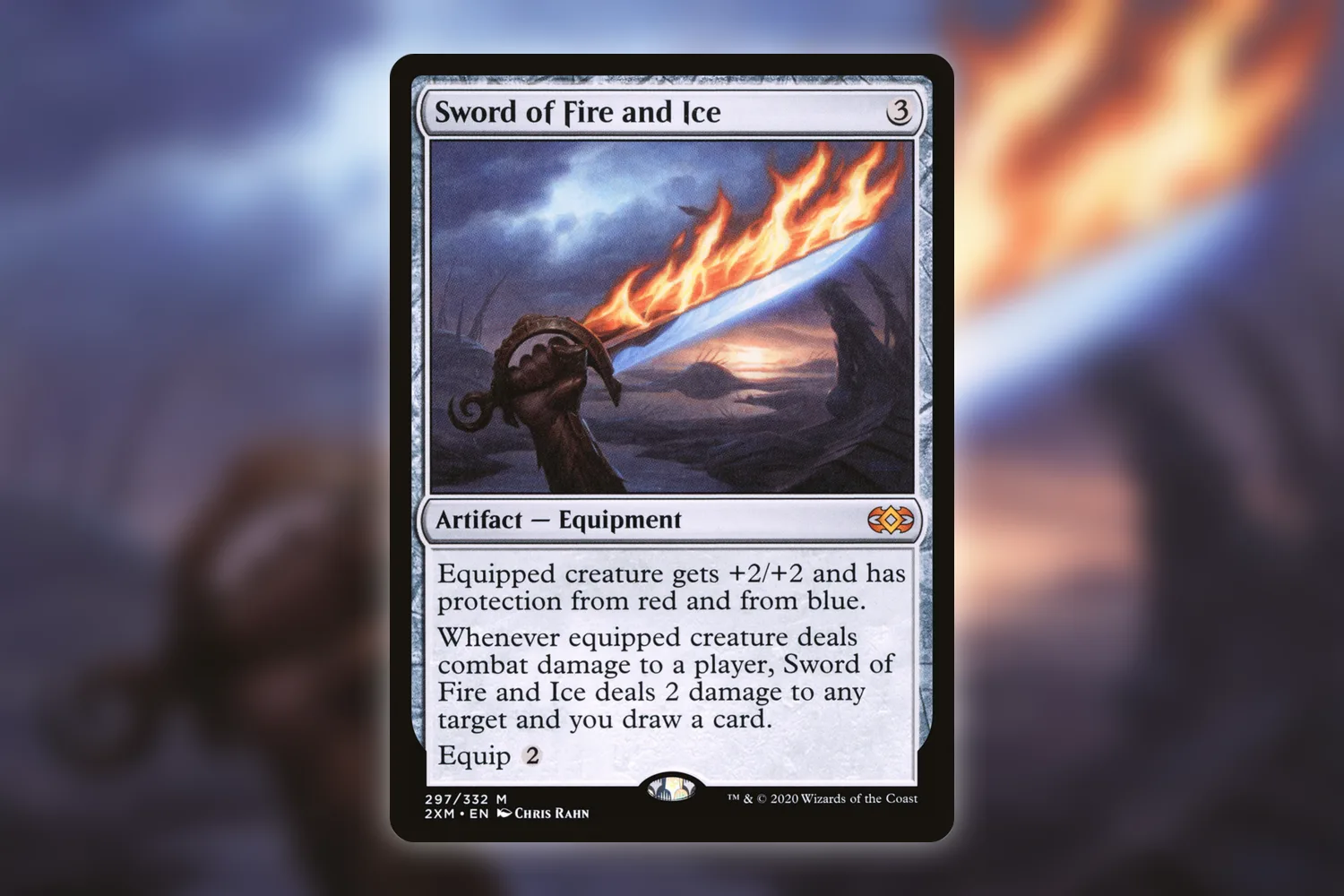
Fetchlands, mostly. Windswept Heath is $12.43 and there are ten of those. Fast mana and the good artifacts: Sword of Fire and Ice at $48.51, Wasteland at $27.48, Mother of Runes at $12.63. Skullclamp is $6.30 and it’s the single most degenerate card most cubes run. Add it up and a “free” cube built from your own boxes still has a few hundred dollars of holes in it if you’re chasing a high-power list.
Which is the argument for not chasing one. Lower the power band and the gap closes almost completely. A peasant cube, commons and uncommons only, is close to actually free out of a decent bulk box, and everyone I’ve drafted with says the games are better anyway because nobody’s turn-one Sol Ring ends the draft’s competitive integrity before pack two.
Although. I’ve said that at least three times to people and I’m not sure I fully believe it. The powered cube I drafted at a friend’s place last year was ridiculous, completely unbalanced, and I still think about the game where I got Time Walked twice. Maybe balance isn’t the point. Maybe I say the peasant thing because I don’t want to spend $600 on ten fetchlands and it sounds better as a design philosophy than as a budget.
Anyway. The other thing worth knowing is that printing choice moves real money here. Cube cards only need to be legible and sleeved, so the cheapest printing is almost always the right call, and the spread is bigger than you’d guess. That $0.66 Lightning Bolt has a Japanese Mystical Archive version at $18.50. Same card, same function in the box, 28x the price. If you’re filling 360 slots, checking which printing you’re actually buying is worth more than any single card choice you’ll make.
Start smaller than you think
If I were doing this again I’d build 180 first. Four-player pod, three packs of fifteen, done. You find out whether you actually like curating a format before you’ve committed nine hours of a Sunday and a few hundred dollars, and 180 cards is close enough to “cards I definitely own” that the shopping list stays near zero.
Then if it sticks, you’re not starting over. You’re adding 180 more, which is the same job you already know how to do, except now you know which boxes to look in first.
The masking tape stays, though. Cube v4 will get a new piece.