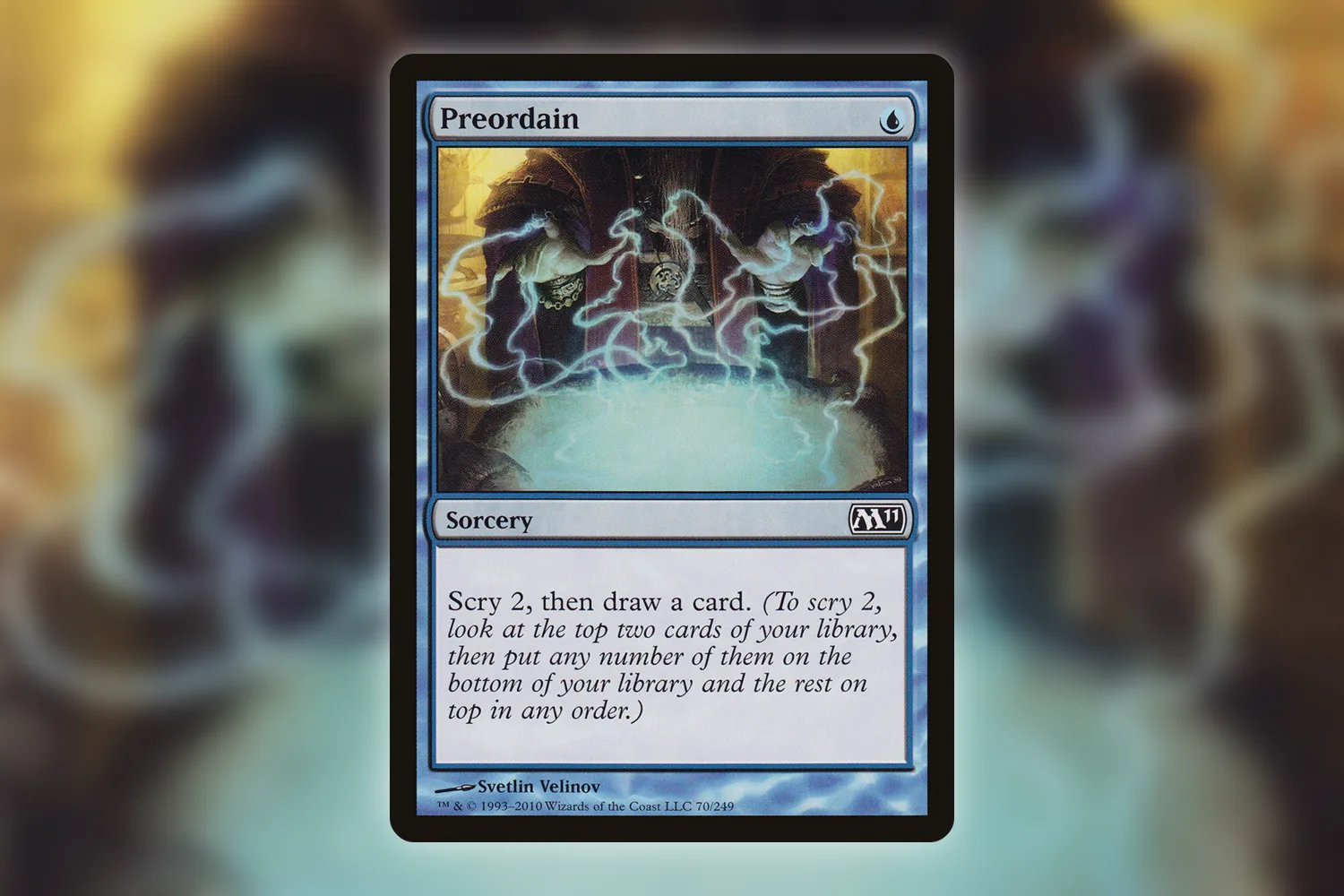
Preordain looks fairly unambitious beside a seven-mana creature. One blue mana, scry two, draw a card. When I’m thinking about early land drops in Commander, though, I’d give that little sorcery a proper look before adding another expensive spell that needs four lands to do anything.
The awkward hand is familiar enough to picture: two lands, several good spells, and a commander you’d quite like to cast this evening. Your next draw is another good spell. Excellent. Everyone else has started playing Magic.
EDHREC’s November 5 roundup of Commander smoothers looks at inexpensive early plays that help find lands and remain useful later. I’d use that idea to audit older cards too. There are useful choices sitting in draft leftovers, provided you check what each one can actually find and what you must spend to use it.
Early land drops in Commander need a closer diagnosis
I’d start with the last few hands that stalled. Did you draw too few lands? Did you have lands producing the wrong colors? Or did the third land enter tapped when you needed to spend three mana? Those failures suggest different changes, and an extra green spell won’t rescue an opening hand that can’t produce green.
Keep your land count written down while doing this. The first experiment I’d make is swapping a couple of slow nonland spells for cheap ways to find the next land. Cutting lands at the same time makes it harder to tell whether those new cards helped. A deck with too few usable mana sources can still need more actual lands.
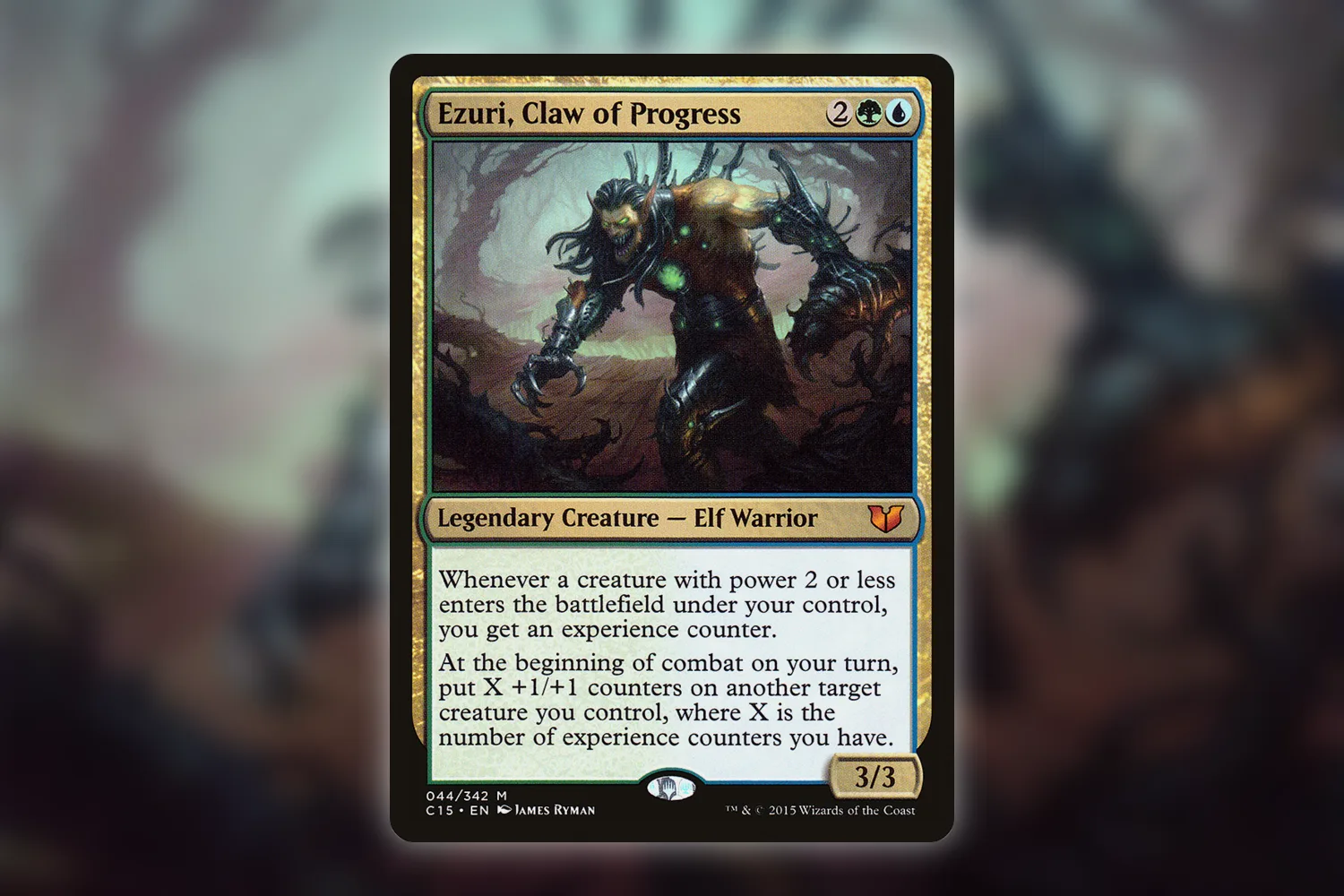
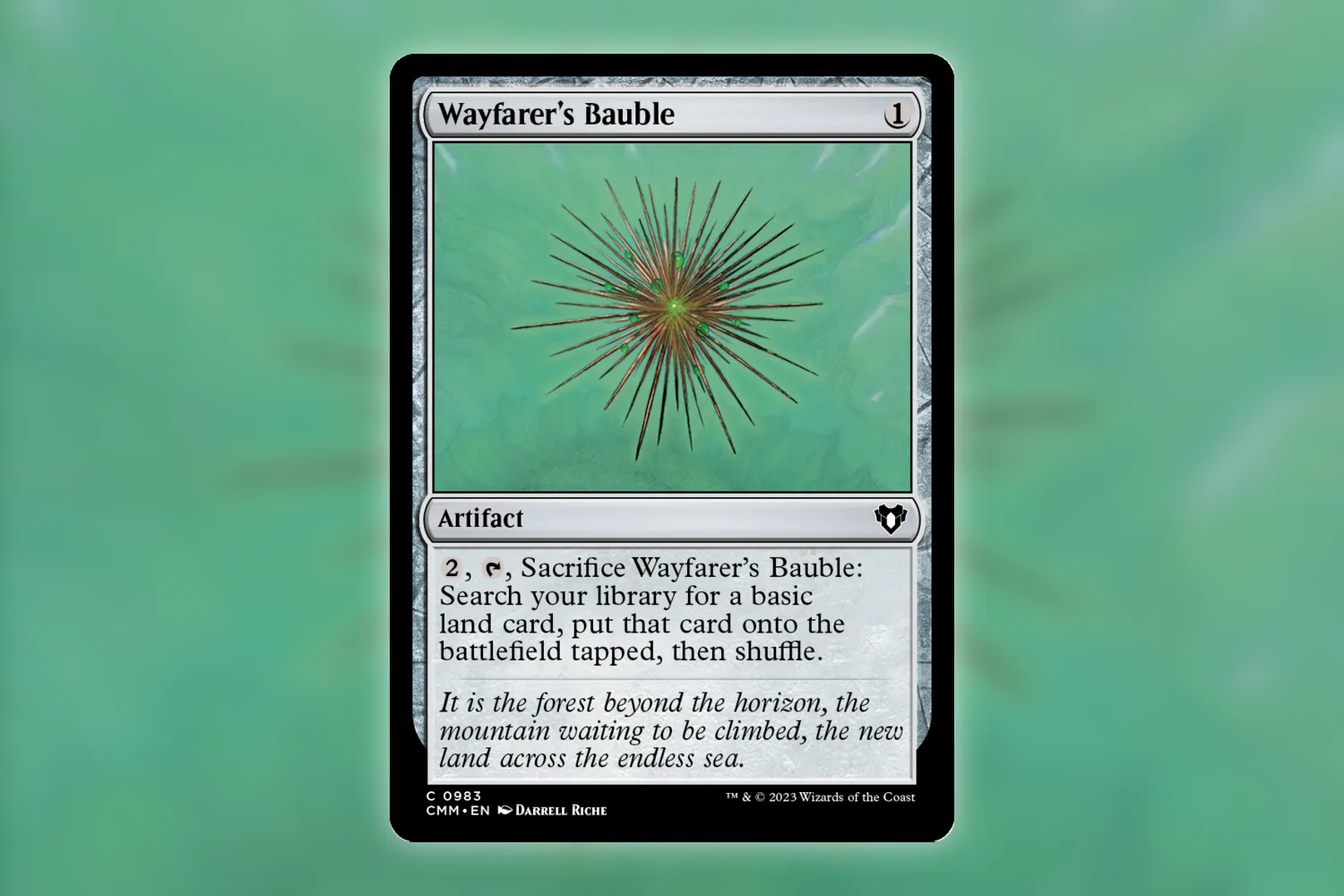
Rampant Growth costs two mana and puts a basic land onto the battlefield tapped. With two lands already available, it can move your mana development ahead. Lay of the Land costs one green mana and puts a basic land into your hand. You still need an available land play to put that basic onto the battlefield.
For a concrete example, imagine your second turn starts with one untapped Forest in play and no land in hand. Lay of the Land can spend that Forest’s mana to find a basic, which you can then play. Rampant Growth needs another mana before you can cast it. On a later turn, when you’ve already played a land, Growth can add another one to the battlefield while Lay leaves the fetched basic in your hand.
I’d keep that distinction beside the deck’s ramp choices. A collection search for land-related text can return both cards, but counting them as interchangeable mana acceleration makes the opening-hand plan look better than it plays.
What I’d pull from the boxes
Preordain lets you inspect the top two cards, put either or both on the bottom, and draw. If both are unwanted spells, you can bottom both and draw the previously unseen third card. That third card can still be a spell. You’re improving access to the next land without guaranteeing one.
I’d be more comfortable keeping a two-land hand containing Preordain if those lands could cast it and the rest of the hand had cheap plays. A hand with two colorless lands and Preordain hasn’t acquired a blue source through optimism. Check the whole hand before deciding to keep it.
Abundant Harvest gives green decks a different option. Choose land or nonland, reveal until you reach the chosen kind, and put that card into your hand. With a land remaining in the library, choosing land gets you one. You don’t get to choose its name, color, or whether it enters tapped.
That can be awkward in a three-color deck. A hand that needs black mana might reveal a Forest. Later, choosing nonland can help you draw past excess lands, although the spell you receive could be another mana helper. I’d check how many of the deck’s lands solve the color problem before treating Harvest as fixing.
Lay of the Land lets you select a particular basic. It also has a fairly miserable late-game ceiling if you’ve already got enough mana. I like having a five-cent example in this discussion because it forces an honest question: how much do you value choosing the early basic, and what are you giving up when you draw this on turn nine?
Actually, I’d usually lean toward the flexible card. Then I picture a deck repeatedly missing its second color while holding an enormous threat, and I want the boring basic-land search again. I don’t know which failure your deck has more often. A few notes from real hands would help me choose between them.
The expensive spell with the cheap cycling ability
Lórien Revealed costs five mana to cast and draws three cards. Its Islandcycling ability costs one generic mana: pay it, discard the card, and search your library for an Island card to put into your hand.
An Island card can be a basic Island or another land with the Island subtype. A land that merely produces blue mana doesn’t qualify. You also need a matching card left in the library when the ability resolves. I’d check the actual targets, including how they enter the battlefield, before making this part of an opening-hand plan.
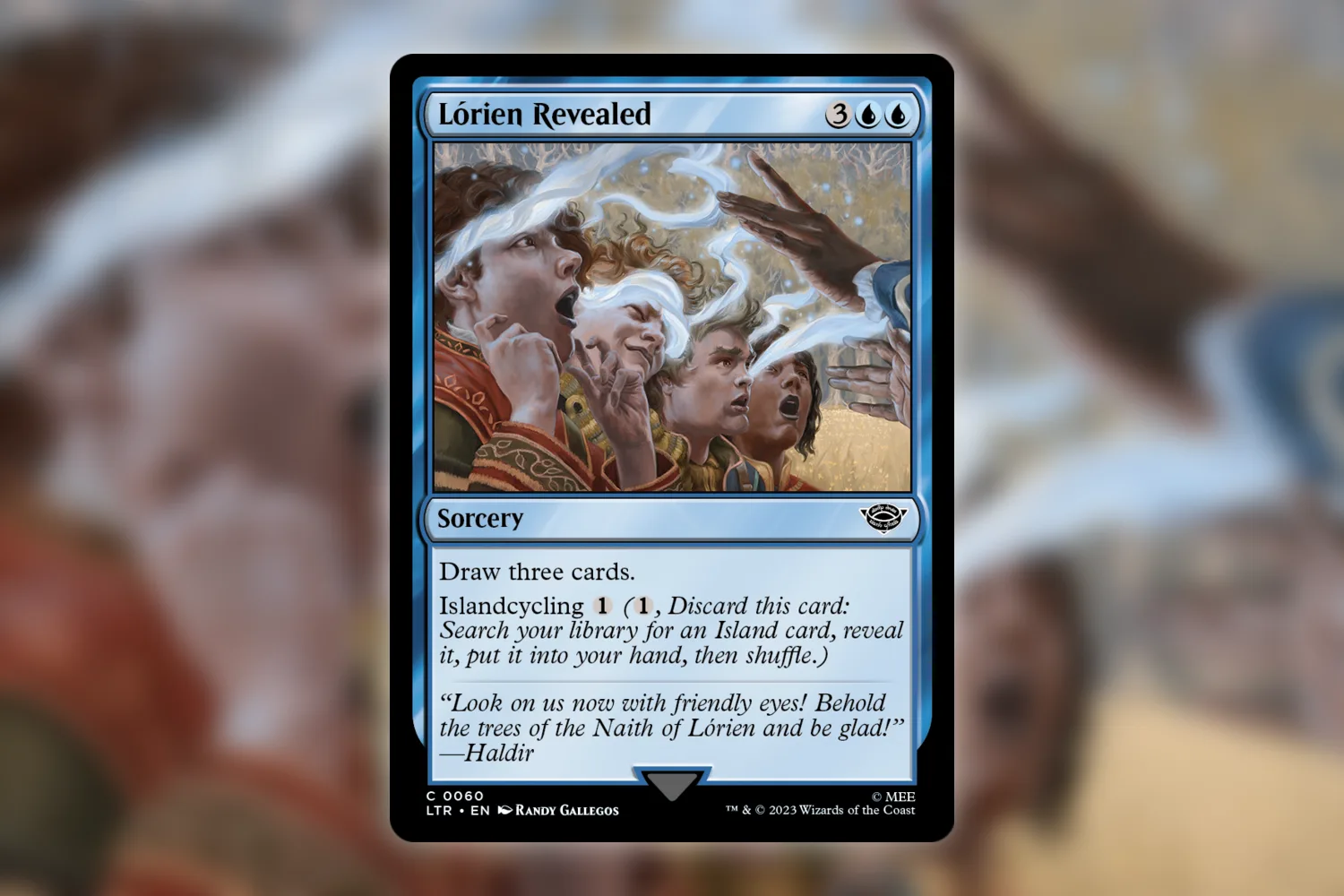
You can pay that cycling cost with a nonblue mana source. In a blue deck, a starting land producing red or colorless mana could therefore help you find an Island. Casting Lórien Revealed later requires two blue mana as part of its five-mana cost. These are two separate uses of the same card, and cycling it means discarding the draw spell.
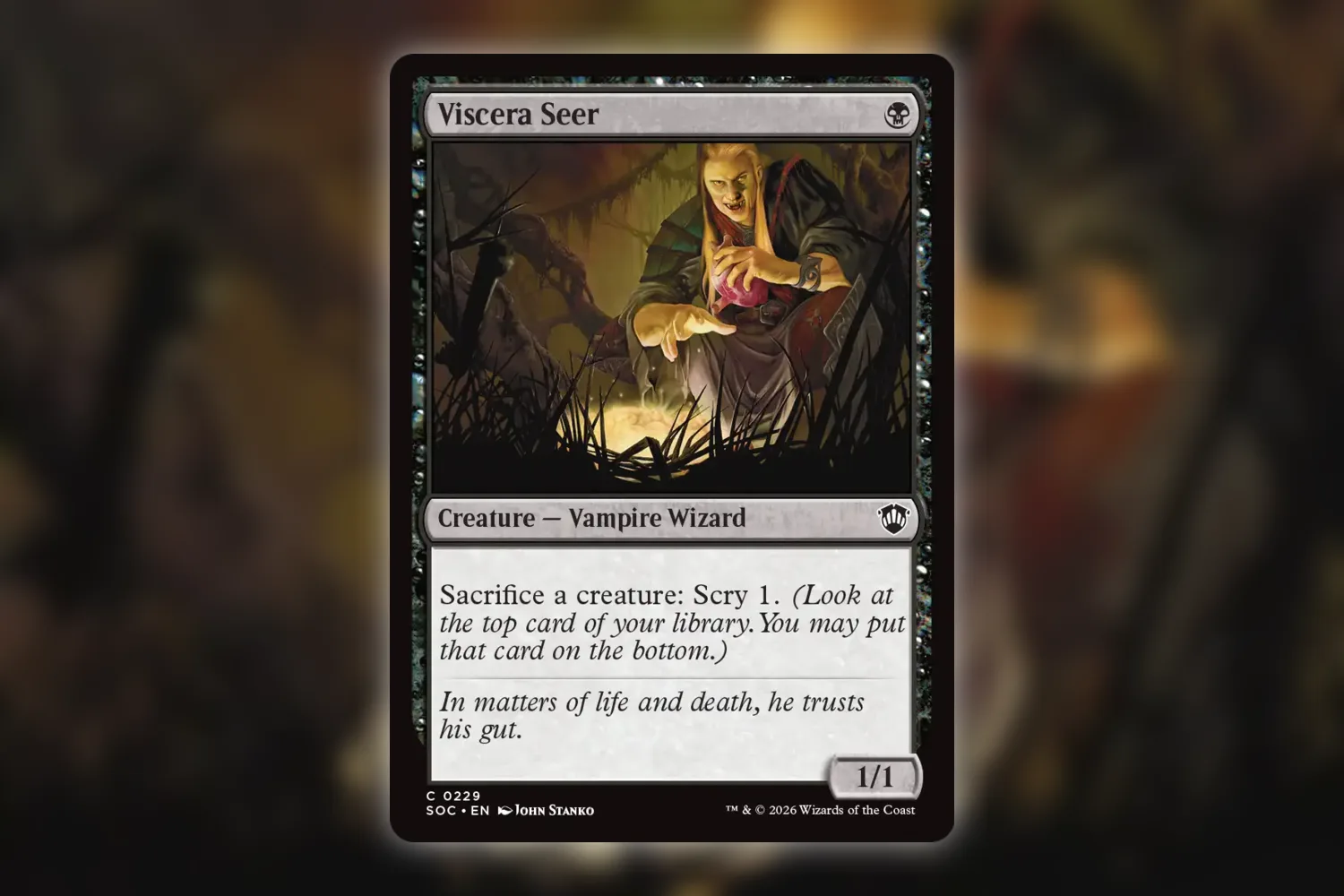
Troll of Khazad-dûm does a similar job for Swamps, with Swampcycling for one generic mana and a six-mana creature on the other end. A graveyard deck may find another use for the discarded creature. An ordinary black deck should consider whether it actually wants that creature when the hand already has enough lands.
So, sure, the Troll can get the Swamp. Great. But check the deck. Is there a Swamp left? Can that first land pay the cycling cost? Have you already used the land play? There are a few small decisions hiding inside “I’ll just cycle it.”
The enormous Troll casually going off to find a swamp is my favorite part of the card. It looks like it ought to require a major logistical effort. One mana, apparently. The Fellowship had a much less efficient travel budget.
Check the printing before calling the whole pile bulk
I checked these ordinary nonfoil printings through Scryfall on November 6, 2026. They’re USD reference prices, excluding shipping; a local shop’s delivered price can differ.
| Card and printing | Nonfoil USD | Job I’d consider it for |
|---|---|---|
| Preordain, M11 #70 | $1.11 | Looking past unwanted early draws |
| Abundant Harvest, STA #48 | $0.37 | Finding a land early or a nonland later |
| Lay of the Land, M14 #183 | $0.05 | Choosing a basic to make a land drop |
| Lórien Revealed, LTR #60 | $3.44 | Island access early, three cards later |
| Troll of Khazad-dûm, LTR #111 | $0.66 | Swamp access with a creature attached |
| Rampant Growth, M10 #201 | $1.27 | Adding a tapped basic once two mana is available |
The Magic 2011 Preordain foil was $35.56 in that same check. I’d sleeve that copy while sorting, even if the deck only needs a readable one-mana spell. The table uses nonfoils throughout; swapping finishes halfway down a shopping comparison would make a pretty silly budget.
These six cards are examples across different colors, rather than a package to put into every deck. For this audit I’d search the logged collection for scry, cycling, and effects that put a land into your hand, then read the individual text. The Scryfall collection-audit searches can help identify candidates; you’ll still need to confirm which physical copies you own.
Try two changes with the lands left alone
I’d pull two candidates the deck can use within its color identity, then find two slow nonland cards to set beside the deck box. Choose cuts that have been sitting uncast in the same games where you missed land drops. Keep enough interaction and actual refill spells; the card-draw guide goes into what happens when a hand runs empty.
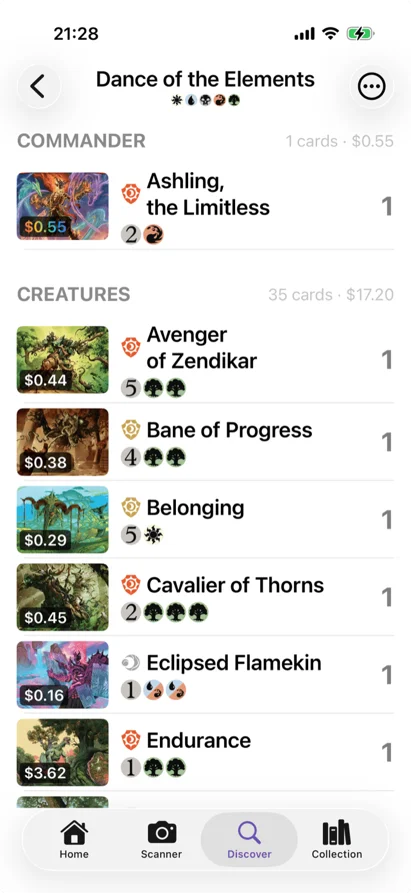
Write down the old card, replacement, printing, and where the spare copy came from. In Eldwyn I’d start with the collection record, then physically locate the card before counting it as available. A copy already committed to another deck needs a deliberate move or a different candidate. It can take longer to find the thing than to decide whether the text is good.
For a small solo check, shuffle properly and draw ten opening hands using the same keep-or-mulligan approach you normally use. Play out the first four turns, including draw steps and the mana spent on selection. Record whether you made each land drop, whether the colors worked, and when a tapped land delayed something. Keep a separate note for a helper that couldn’t be cast when needed.
Ten hands won’t establish a reliable win-rate improvement. I’d use them to catch obvious mistakes, like having too few Island targets or spending turn two finding a land while an important two-mana play waits. Then try the changes in real games and note what happens when you draw the replacement late.
Leave the two removed cards beside the deck for now. If the new selection spell keeps finding lands while you run out of things worth casting, you’ll want those notes before making another cut.