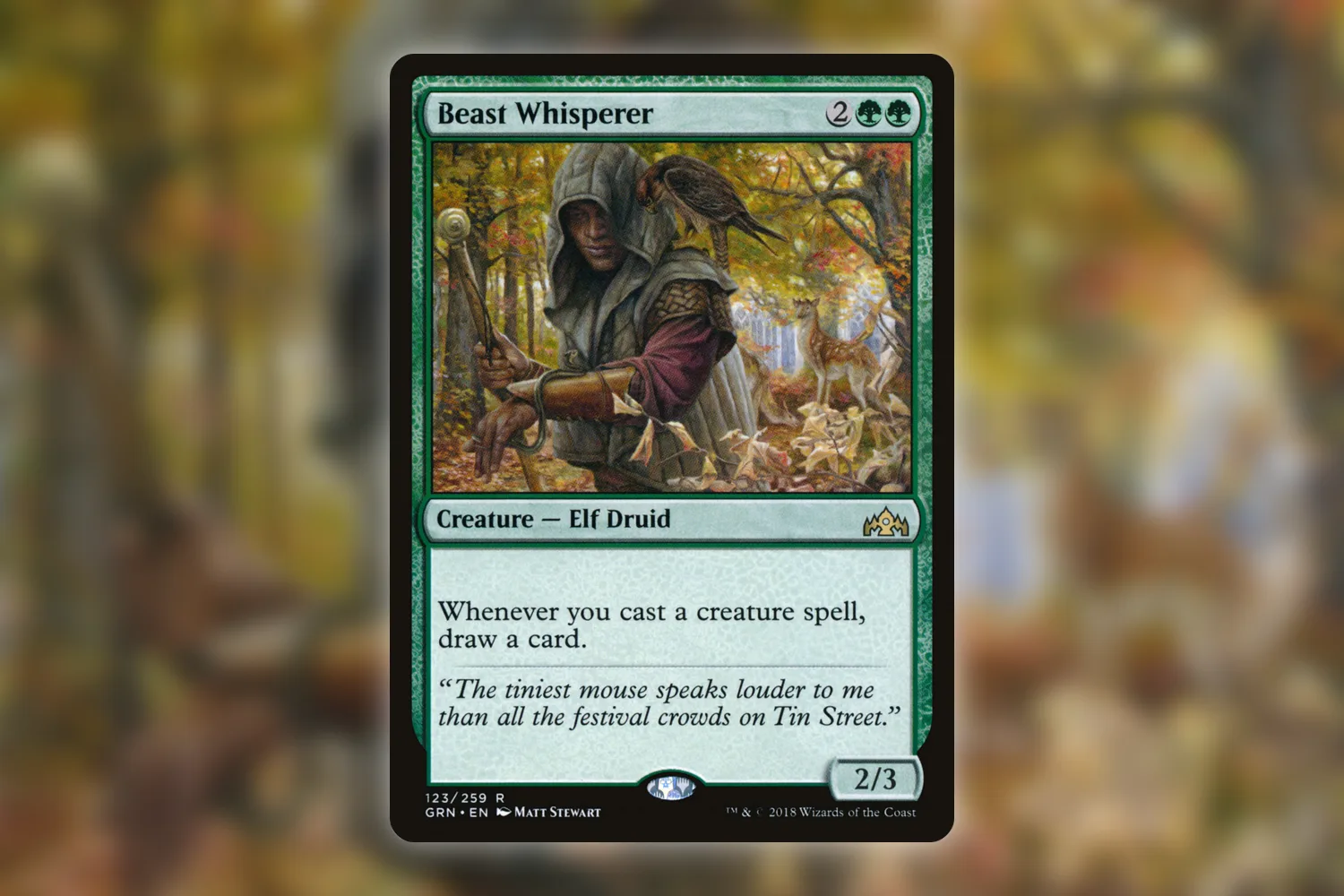
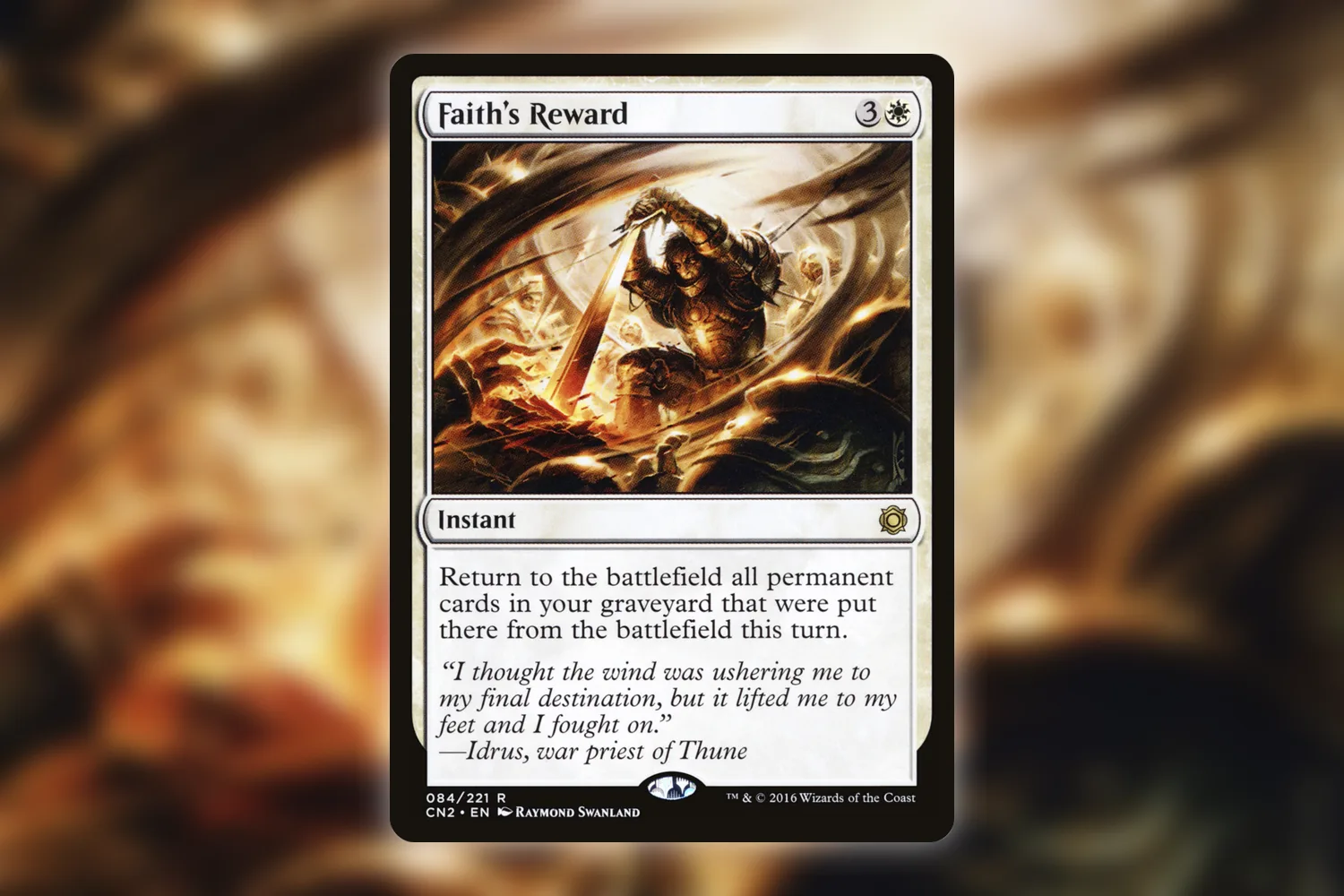
The creatures are already in the graveyard, and the card in your hand says “this turn.” That’s a fairly important detail to notice before passing. A Commander recovery kit needs those little timing notes beside the cards, because Faith’s Reward and a spell that retrieves something three turns later ask you to play very different games.
I’d pull the recovery candidates from the collection before choosing deck slots. Old precons, dismantled creature decks, the green section full of cards you keep meaning to try. Give each candidate a job and a limitation, then see which available copies fit the deck you’re actually fixing.
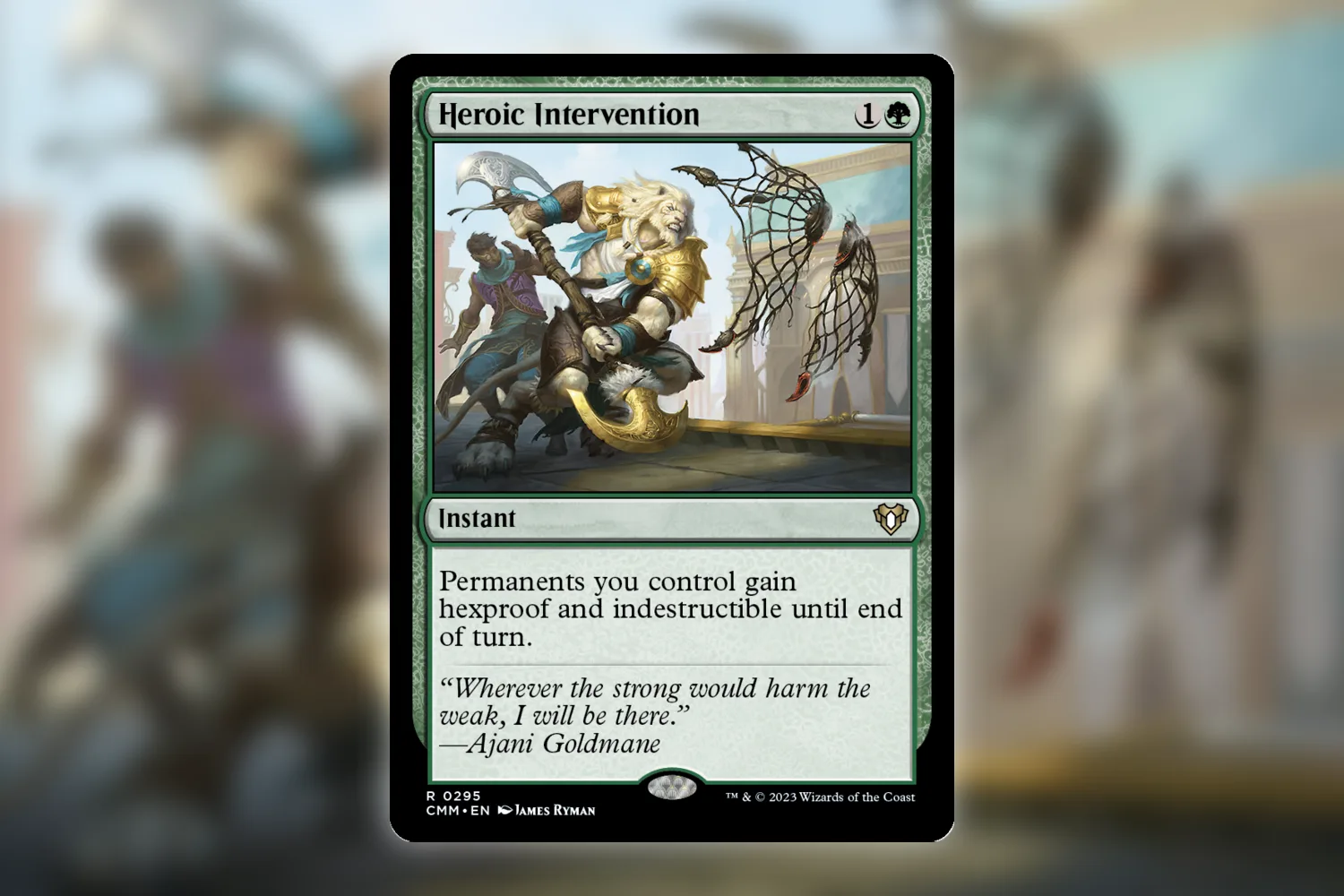
The protection-kit guide deals mostly with keeping things alive through removal. This pass starts after cards reach the graveyard. I’m interested in how quickly the deck can function again, and whether its supposedly spare recovery card is already sleeved into something else.
A Commander recovery kit has a clock on it
Faith’s Reward costs four mana, including one white. After a destroy sweeper has resolved, you can use it to recover your permanent cards that went from the battlefield to your graveyard during that turn. Creatures, mana rocks, and lands can qualify. Cards discarded from your hand don’t qualify merely because they arrived in the same graveyard at the same time.
I’d write “after the wipe, before this turn ends” on its divider. Cast it while the destroy spell is still waiting on the stack and the creatures that spell is about to kill haven’t reached the graveyard yet. Wait until your next turn and the creatures died on the previous turn. Both mistakes leave the spell looking considerably less impressive.
Tokens can’t be recovered this way. A token army can leave you with plenty of death triggers and very little for Faith’s Reward to bring back. If a token-making enchantment or creature card died too, recovering that source may let you rebuild later. Count the actual cards your deck expects to lose.
The command zone needs a decision as well. A commander you’ve moved there after it died is beyond this spell’s reach. Leaving it in the graveyard can make recovery possible, with the risk that somebody removes it before your spell resolves. I’d make that choice with the return spell and its mana available, rather than vaguely hoping the deck has recursion somewhere.
Four mana held open is a substantial request. I like the idea of rebuilding immediately. I also like casting the creature I drew, which uses the same four lands. If a deck taps out every turn, I’d put Faith’s Reward back in the candidate pool and try something I can cast during a later main phase. Owning a good answer doesn’t oblige the deck to accommodate it.
A card in hand still needs to be cast
Eternal Witness costs three mana, with two green, and its arrival can retrieve one card from your graveyard into your hand. It can retrieve an instant, a land, or another creature. You also get the Witness body, which may be useful if your deck can reuse creature entry effects.
Add the next casting cost before calling that a quick rebuild. Spending three mana to retrieve a six-mana threat gives you a 2/1 and a plan for a later turn. Spending three to retrieve a cheap draw spell may get the deck moving sooner. I’d test the second sequence before assuming the biggest creature is the correct target.
EDHREC’s discussion of Eternal Witness alternatives makes a useful objection to treating it as automatic: the creature synergies and competing recursion effects change how much you get from those three mana. A spare Witness is a candidate, and its two green symbols can be awkward in a deck whose green sources keep entering tapped.
Creeping Renaissance gives the hand-refill pile a bigger option. For five mana, including two green, choose a permanent type and recover the cards of that type from your graveyard into your hand. Creature is a type; Elf is a creature subtype and won’t do for this choice. It also has a seven-mana flashback cost, including two green, for a later use from the graveyard.
You could recover several creatures and still finish the turn with an empty battlefield. I’d put “needs recasting mana” beside this one. In a slower game, a handful of recovered creatures can be excellent. When the next player is threatening lethal damage, five mana spent collecting future options may leave you watching the rest of the game from the snack table.
Small permanents can put a deck back together
Sevinne’s Reclamation costs three mana, including one white, and puts one permanent card with mana value three or less straight onto the battlefield. A land, a small utility creature, or an inexpensive engine enchantment can qualify. A larger threat stays in the graveyard even if you once cast it for a discount.
Its flashback costs five mana, including one white. When you cast the spell from your graveyard, it can copy itself, letting you choose another target for the copy. Both targets still need to satisfy the mana-value restriction. Flashback also keeps the spell’s sorcery timing; having it in the graveyard doesn’t make it available during an opponent’s turn.
I like this candidate when a deck’s important machinery sits low on the curve. Recovering a draw engine or a mana source can make the following turns much easier. I’d look through the actual graveyard targets in the deck before assigning the slot, though. A list full of expensive creatures can make that three-or-less clause feel very small.
The examples here cover white, green, and black. Choose candidates within your commander’s color identity, then check their colored mana requirements against the lands you actually run. This kit is a pool for different decks; the five cards aren’t a package to squeeze into every list.
Read everyone else’s graveyard before Living Death
Living Death costs five mana, including two black. First, everyone’s creature cards already in graveyards are set aside in exile. Everyone then sacrifices their current creatures. Finally, the cards set aside by that first instruction enter the battlefield.
The order is doing a lot of work. Creatures sacrificed during the middle instruction weren’t in the first group, so Living Death won’t bring them straight back. If your battlefield is empty and your graveyard contains several creatures, the exchange can be very favorable. Opponents get the same procedure, including the player whose graveyard you’ve been politely ignoring for forty minutes.
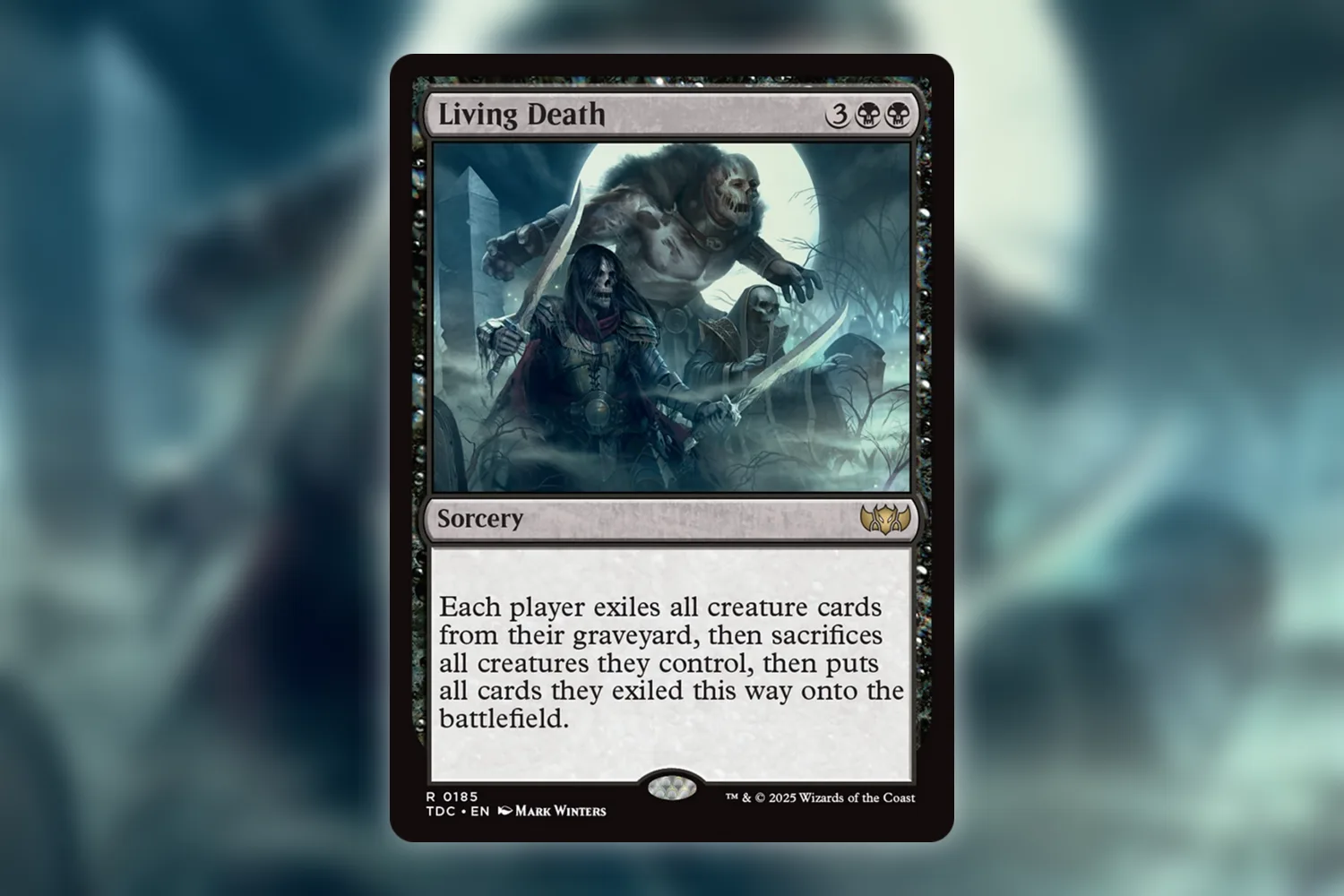
I’d mark this one “creatures, symmetrical, count opposing graveyards.” It belongs in a different slot from a targeted return spell. Its rulings confirm the sequence, which is worth reading before planning around your current creatures returning immediately.
Picture the entirely plausible mistake I’d make with this card: carefully count my four dead creatures, announce the big recovery turn, and only then read the opponent’s graveyard. Three scary creatures. Several entry triggers. Oh. Right. Perhaps we should’ve eaten first. I can imagine remembering the mana cost perfectly and forgetting the other three players have cards.
Exile also sets a hard boundary around this whole pile. Farewell can exile creatures, other permanent types, graveyards, or a chosen combination of its modes. These five recovery spells can’t retrieve cards sitting in exile. If graveyard exile keeps stranding your recovery spells, I’d put more independent threats or draw into the deck before adding a sixth way to use an empty graveyard. The graveyard-hate kit explains those effects from the other side of the table.
Check which copies are actually free
These are Scryfall nonfoil USD references checked October 19, 2026, for the exact linked printings. They’re useful when identifying a spare copy; condition, finish, and shipping can change a replacement’s cost.
| Card | Printing | Nonfoil USD |
|---|---|---|
| Faith’s Reward | cn2/84 |
$2.18 |
| Eternal Witness | cmm/286 |
$2.32 |
| Creeping Renaissance | c18/137 |
$1.08 |
| Sevinne’s Reclamation | c19/5 |
$0.53 |
| Living Death | tdc/185 |
$6.84 |
Use Eldwyn to check the copies you’ve logged, their printings, and the binders or decks holding them. Pull the available ones into a small physical pool. A copy in an active deck needs a deliberate move before another deck can use it; two saved lists can both ask for a card that exists only once.
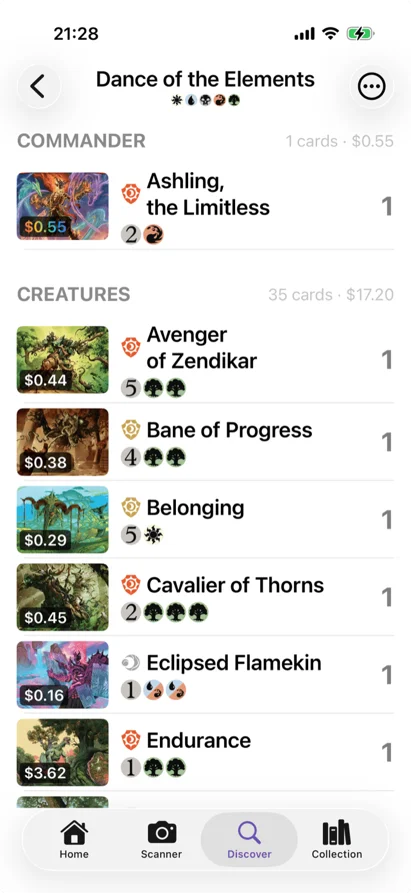
I’d keep three dividers: same-turn returns, cards returned to hand, and cards returned to the battlefield. Add short notes for target restrictions and symmetrical effects. Keep the candidate list in Eldwyn while the unused physical copies stay together in a labelled box section. When a card earns a deck slot, move its owned entry to that deck so the remaining pool stays honest.
For a first trial, I’d choose one inexpensive-to-cast targeted option and one broader rebuild that the deck can support. That’s a testing preference, not a required count. After a few games, record the awkward part: no eligible target, insufficient mana to recast anything, or an opponent getting more from Living Death than you did. Check the remaining pool before making a want list for the actual gap. Leave the cards you didn’t choose behind their dividers; another deck may have much better targets for them.