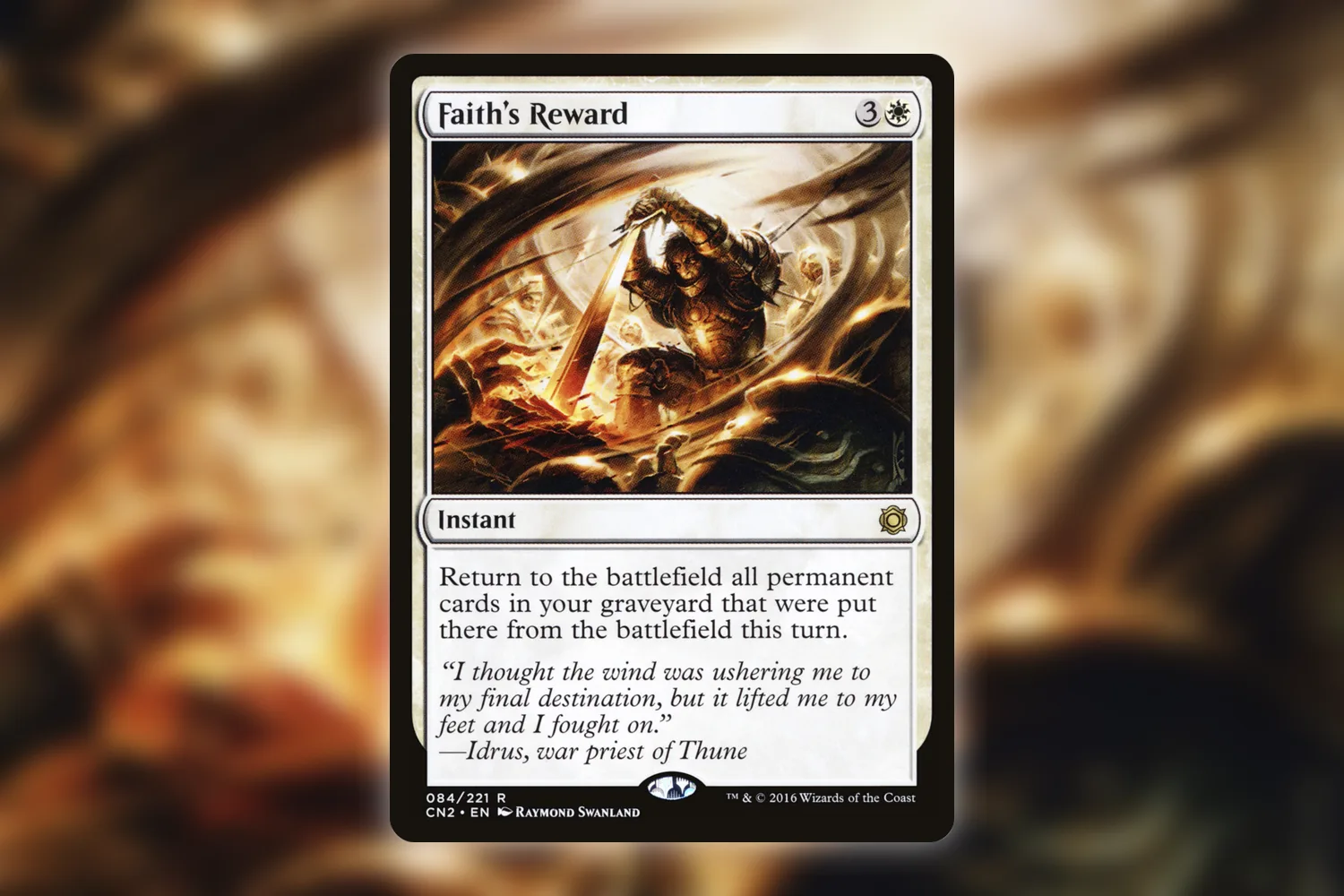
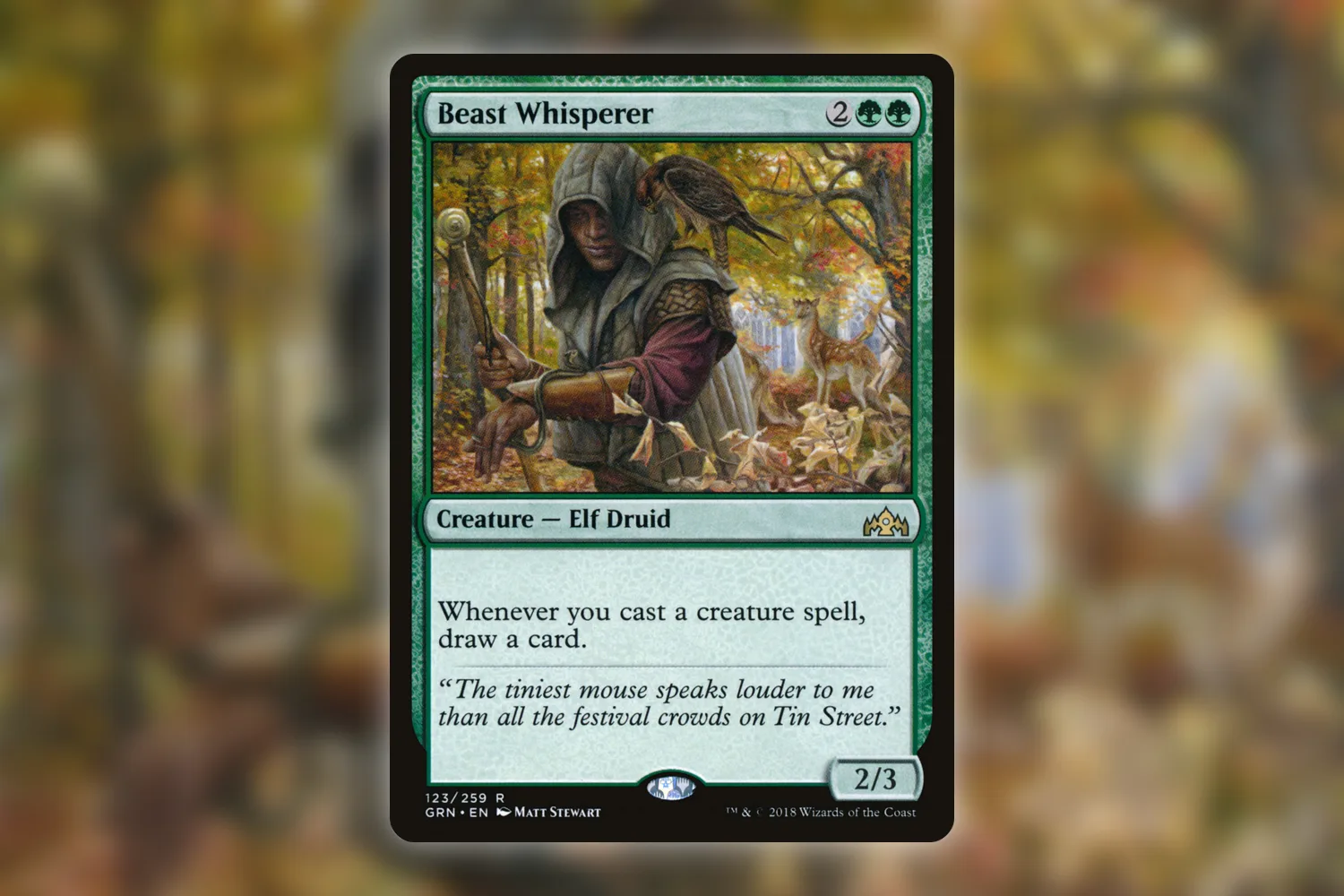
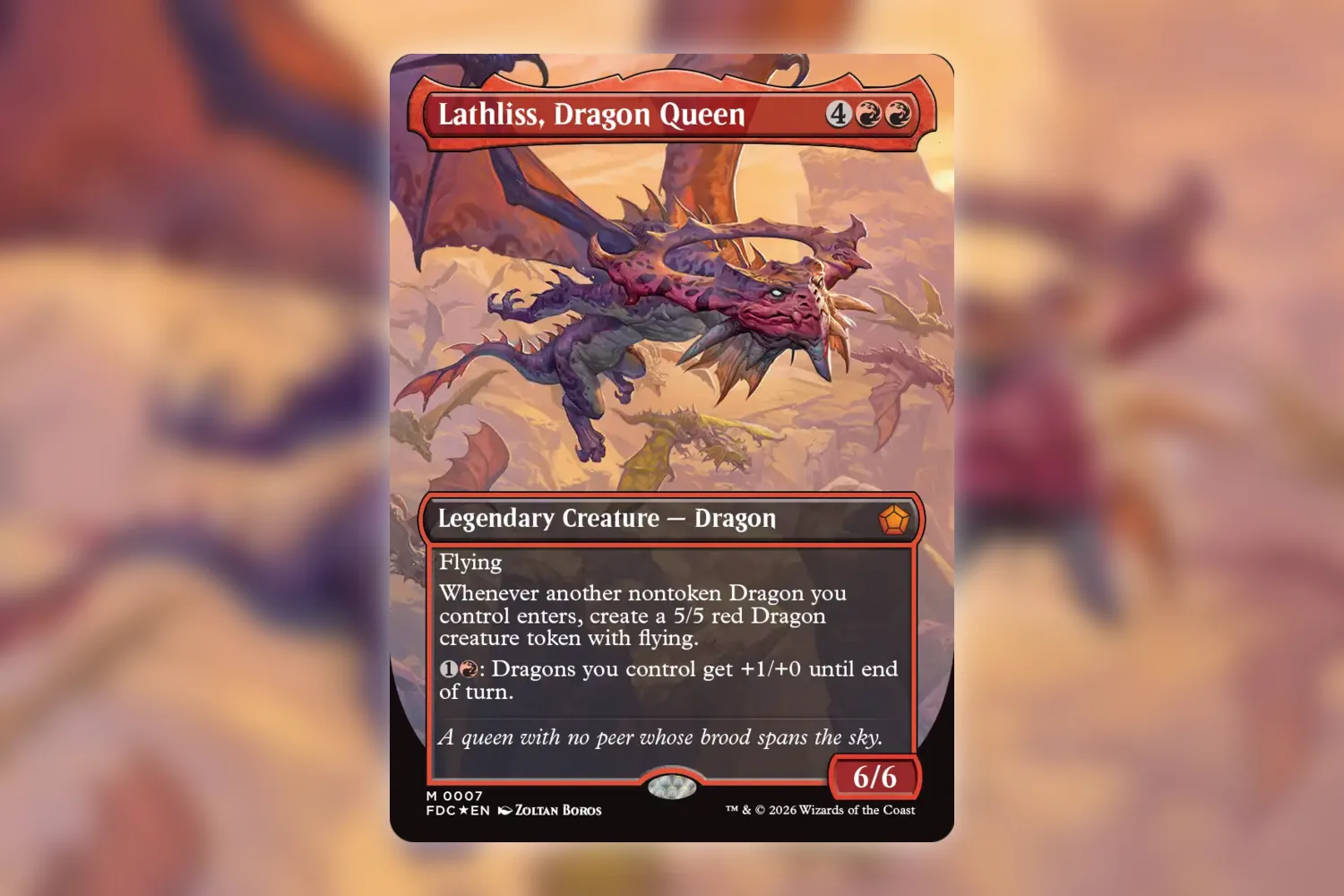
A 1/1 Thopter gets considerably more interesting when it can help cast the next artifact, draw a card on contact, then leave another Thopter behind. That’s where I’d start a Keen Engineering upgrade. Sai, Master Thopterist already supplies the flying machinery; several cards I’d want beside him have been sitting in older sets and Commander decks for years.
Keen Engineering is the blue Foundations Commander precon released October 2. Wizards’ confirmed list includes 39 lands, artifact cost reducers, and some genuinely useful draw engines. Our early Foundations overview was written before the lists were public. With the actual hundred available, I’d keep the mana base intact and try five changes to how the deck uses its tokens.
The five reference copies below total $2.20. That’s before shipping, which could easily cost more than the cards. Check what you own first, particularly the old Aether Revolt pile.
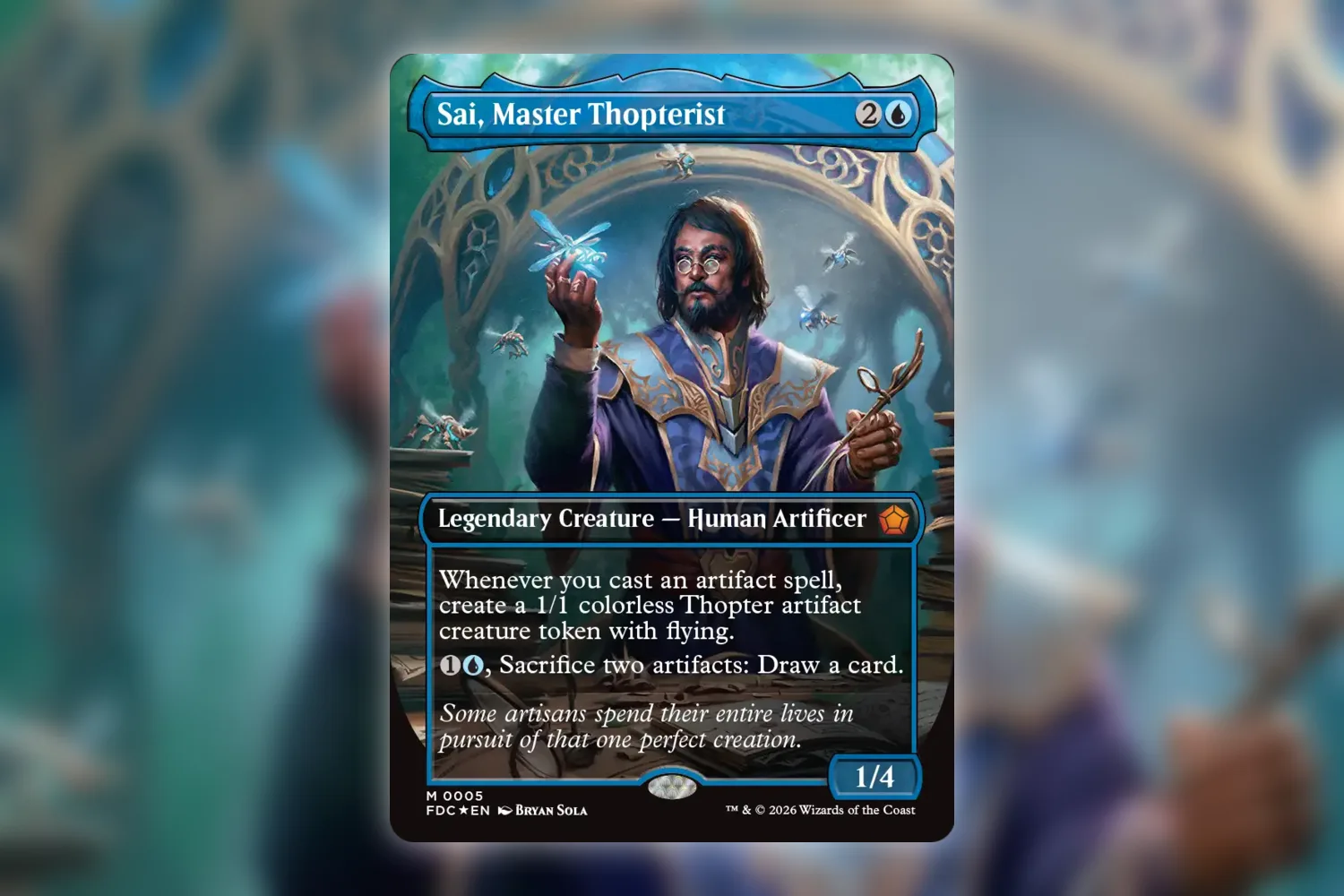
Five Keen Engineering upgrade swaps
These are one-for-one changes to the unmodified precon. Prices are Scryfall USD snapshots checked October 20, 2026, for the exact non-foil additions linked here. The outgoing links show their Foundations Commander printings.
| Take out | Put in | What changes | Reference price |
|---|---|---|---|
| Graaz, Unstoppable Juggernaut | Chief Engineer | Thopters help pay for artifact spells | $0.86 |
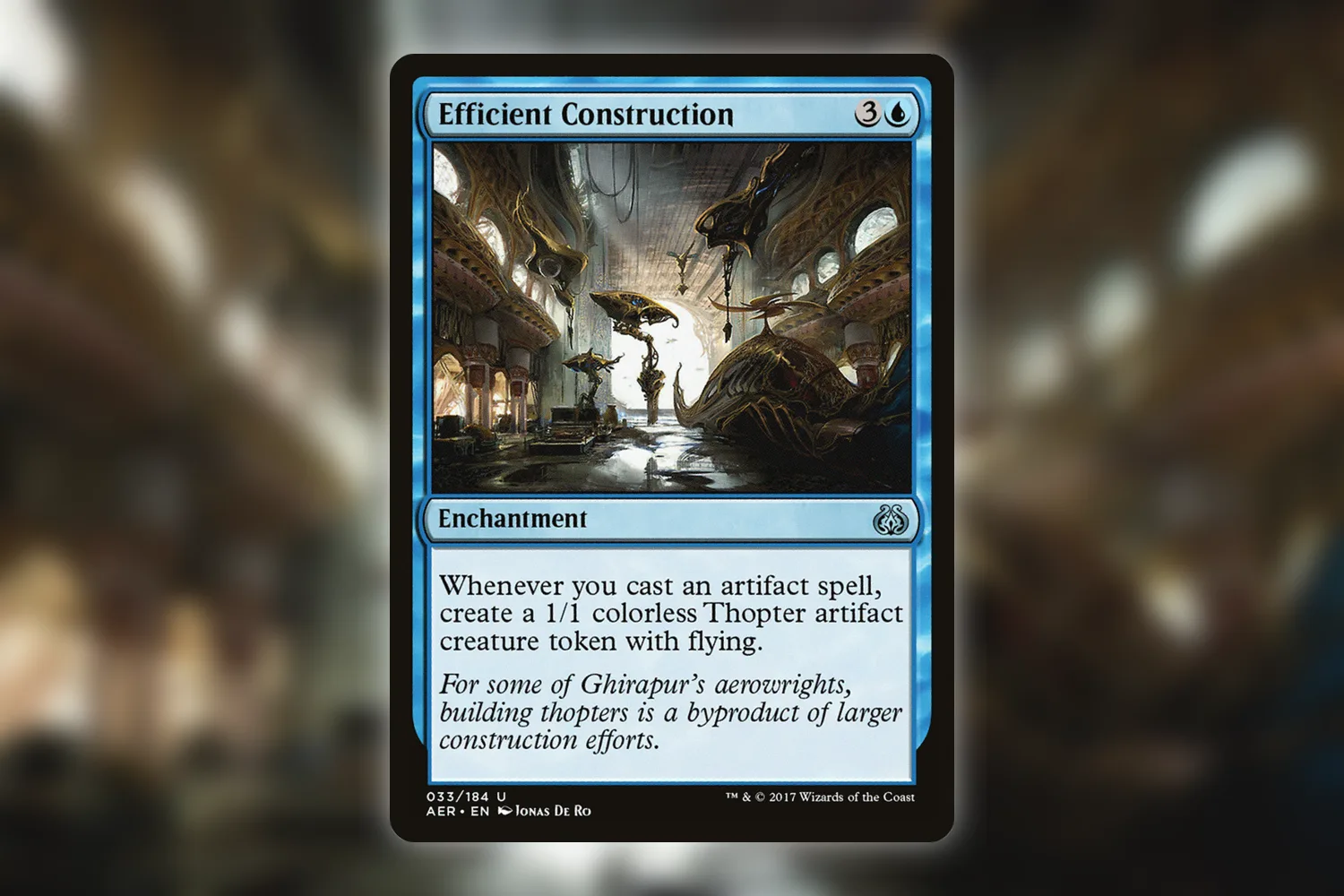
| Spire Golem | Efficient Construction | Another token engine that works while Sai is absent | $0.49 |
| Tamiyo’s Logbook | Bident of Thassa | Each creature connecting with a player can draw a card | $0.45 |
| Darksteel Juggernaut | Sharding Sphinx | Artifact creatures connecting can make more Thopters | $0.21 |
| Psychosis Crawler | Reverse Engineer | Spare artifacts help pay for three fresh cards | $0.19 |
I’d start with Chief Engineer and Bident if you only find two of these. The rest can wait for another rummage through the boxes. None of the additions is already in the stock list, and all five fit Sai’s mono-blue color identity and are currently legal in Commander.
The Thopters can help cast things
Chief Engineer gives your artifact spells convoke. Each untapped creature you tap while casting one pays for a generic mana, or a mana of that creature’s color. Sai’s colorless Thopters cover generic costs. They can do this on the turn they entered, because convoke doesn’t require activating a creature’s own tap ability.
The sequence has a useful little delay. You tap existing creatures to cast an artifact, then Sai’s cast trigger makes a new Thopter. That new token can help pay for a later artifact spell. It arrives too late to pay for the spell that created it. And a Thopter spent on convoke stays tapped, so it won’t be attacking that turn or blocking until it untaps.
Graaz gives up something substantial in this exchange. Turning a sky full of 1/1s into flying 5/3s can end a game. EDHREC’s Keen Engineering guide calls out that role, and I can see keeping him if your games regularly reach eight mana with a board intact. I lean toward the two-mana creature because it helps deploy the rest of the hand earlier. If you keep making twenty Thopters and still can’t finish anyone, Graaz deserves his slot back.
Efficient Construction costs four mana and duplicates Sai’s artifact-cast trigger. With both out, one artifact spell makes two tokens. If Sai has been removed twice, the enchantment gives you a way to keep producing creatures while you find the mana to recast him. Casting the enchantment itself makes no Thopter; it isn’t an artifact.
I feel a bit mean cutting Spire Golem. With six Islands it’s a free flying artifact that triggers Sai, which is a perfectly respectable late draw. At a casual game in Gothenburg years ago, I proudly announced mine was free because I had six lands. Two of them weren’t Islands. Someone pointed at the card, I counted again, and spent the rest of the evening putting my basics in a separate row like I was doing remedial arithmetic.
The precon has 34 actual Islands, so the discount is reliable eventually. I’d still try the repeatable token source. Across all five swaps, five artifact spells leave and two come in. That lowers the artifact count by three, which makes affinity and Sai’s triggers a little less reliable. The new support cards need to earn that trade through the tokens already on the battlefield.
Connecting once should leave you with something
Bident draws separately for each creature that deals combat damage to a player. Three Thopters connecting means three optional draws, even if they all hit the same person. The stock Thopter Spy Network works differently: its combat trigger groups artifact creatures hitting the same player, so those same three Thopters produce one draw from the Network. Both effects can trigger from the same attack.
The Logbook can be excellent once you control enough artifacts. Its activation starts at five generic and one blue, then loses a generic mana for each other artifact you control. Five other artifacts bring that down to one blue and a tap. It still draws only one card per activation, whereas Bident can refill a small hand through several attackers.
You have to connect, though. A table full of flying blockers can leave Bident doing very little. If that’s your regular game, keeping the Logbook makes sense. Bident’s attack-forcing ability is available too, but activating it means paying two mana and thinking carefully about which creatures you’re inviting toward your face.
Sharding Sphinx is the expensive addition at six mana. It creates a Thopter whenever one of your artifact creatures deals combat damage to a player. Three connecting Thopters can leave you with three more. Those new tokens weren’t attacking, so they won’t immediately repeat the process; they’ll be available for later turns, convoke, or Sai’s sacrifice ability.
Darksteel Juggernaut survives ordinary destroy effects and can get enormous. It also has to attack each combat if able and has no built-in evasion. I’d rather try expanding the flying board. The Sphinx loses indestructible and costs an extra mana, so this swap will feel worse when removal keeps arriving before combat. I don’t know how often it’ll survive a whole trip around your table.
Reverse Engineer is the quieter change. Improvise lets you tap untapped artifacts to cover its three generic mana, leaving two blue to pay. Three Thopters can do it. So can spare noncreature artifacts, and newly created tokens are eligible. An artifact already tapped for mana can’t also pay through improvise.
Three Thopters, draw three. Okay. Which three? The ones that just attacked are tapped already. Keep some back, use other artifacts, or pay more mana. If Sharding Sphinx just made fresh tokens after combat, those work too. I’d usually take the safe attacks and see what untapped artifacts remain before deciding how much mana to spend.
Psychosis Crawler rewards drawing cards with damage to every opponent. Cutting it removes a way to win through a stalled battlefield, which is a real loss. My first experiment favors drawing the cards that get another turn moving. If the deck draws comfortably and combat keeps failing, I’d revisit that decision before buying a pricier finisher.
Find the copies before placing the order
Thought Monitor already comes in the box. So does the Spy Network. Keep those when you’re searching upgrade lists; buying either again adds no new slot to this deck. A second physical copy can belong elsewhere in your collection, but Commander still allows only one in this list.
Search the five additions by name in Eldwyn or your existing inventory. Then check which copies are available. A Bident sleeved into another deck needs a decision about where it belongs. The want-list check against your collection covers that slightly irritating gap between owning a card and having a spare.
Older printings work. The prices in the table identify specific reference copies; they aren’t a requirement to match those editions. If your Chief Engineer came from Magic 2015, use it. Search the name across sets and finishes before assuming a differently illustrated copy is a different card.
For each swap, put the outgoing card somewhere labeled and record where the incoming copy moved from. The precon upgrade tracking guide explains how to keep the original list alongside the deck you’re actually playing. Five changes leave you at 100 cards with the same 39 lands. I’d play there for a while before trying to squeeze in another spell.
If you find Efficient Construction and Reverse Engineer together in an old Aether Revolt box, try those two first. Leave the other three original cards sleeved until you’ve found replacements you want to use. After a game, I’d jot down whether the Thopters were short of mana, short of safe attacks, or just sitting there while your hand was empty. And count your Islands before announcing that anything is free.