Eight lands, a handful of creatures, and something slightly silly to do with them. That’s a much more inviting job for spare commons than another evening of sorting them alphabetically. An MTG Jumpstart box gives those cards somewhere to live: small themed packets that you combine in pairs, play with, and separate again afterward.
I’d start with ten packets. Two per color, twenty cards apiece, including lands. That’s 200 cards to find, sleeve, and keep together, with enough variety to discover whether you actually enjoy the project before it takes over a shelf.
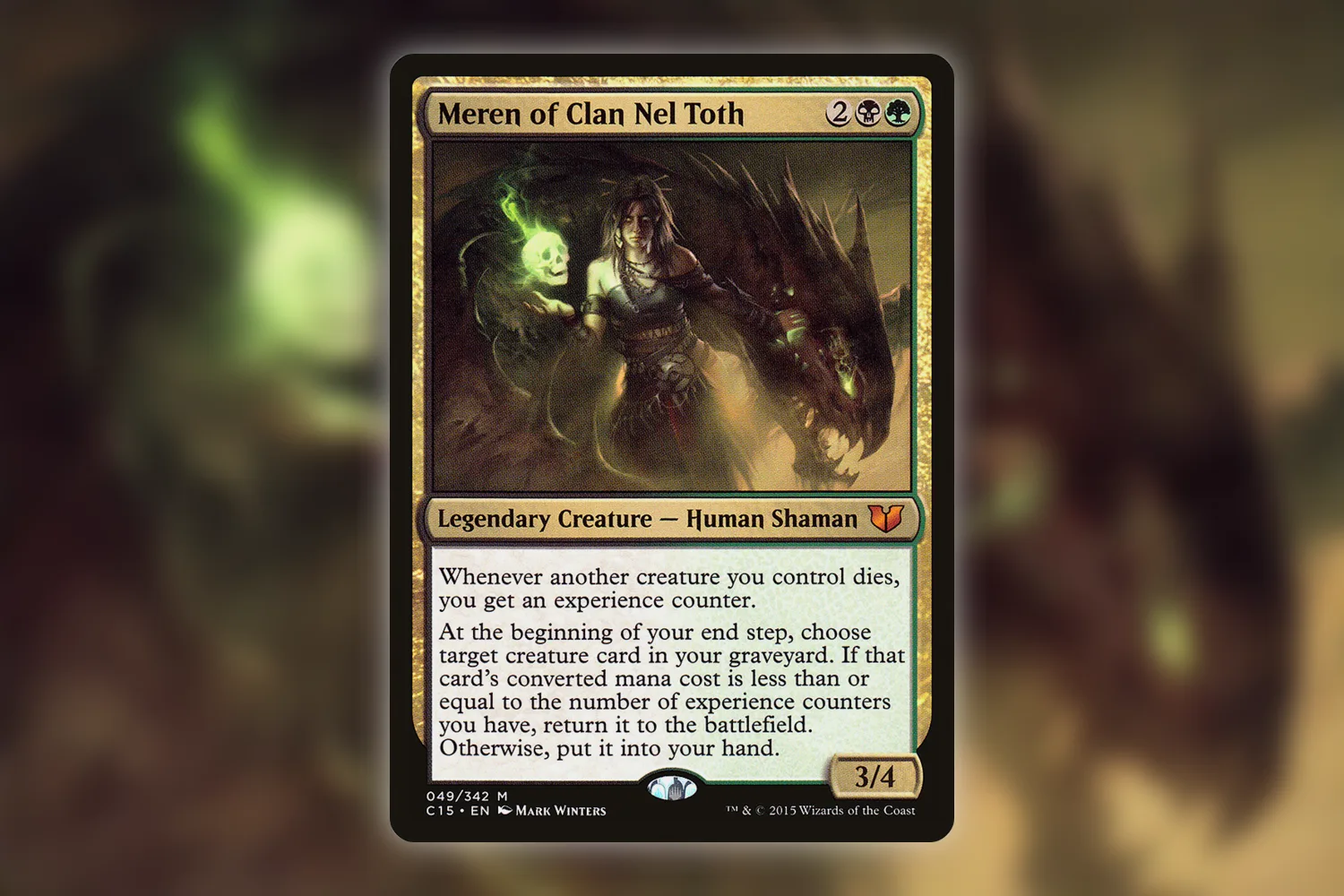
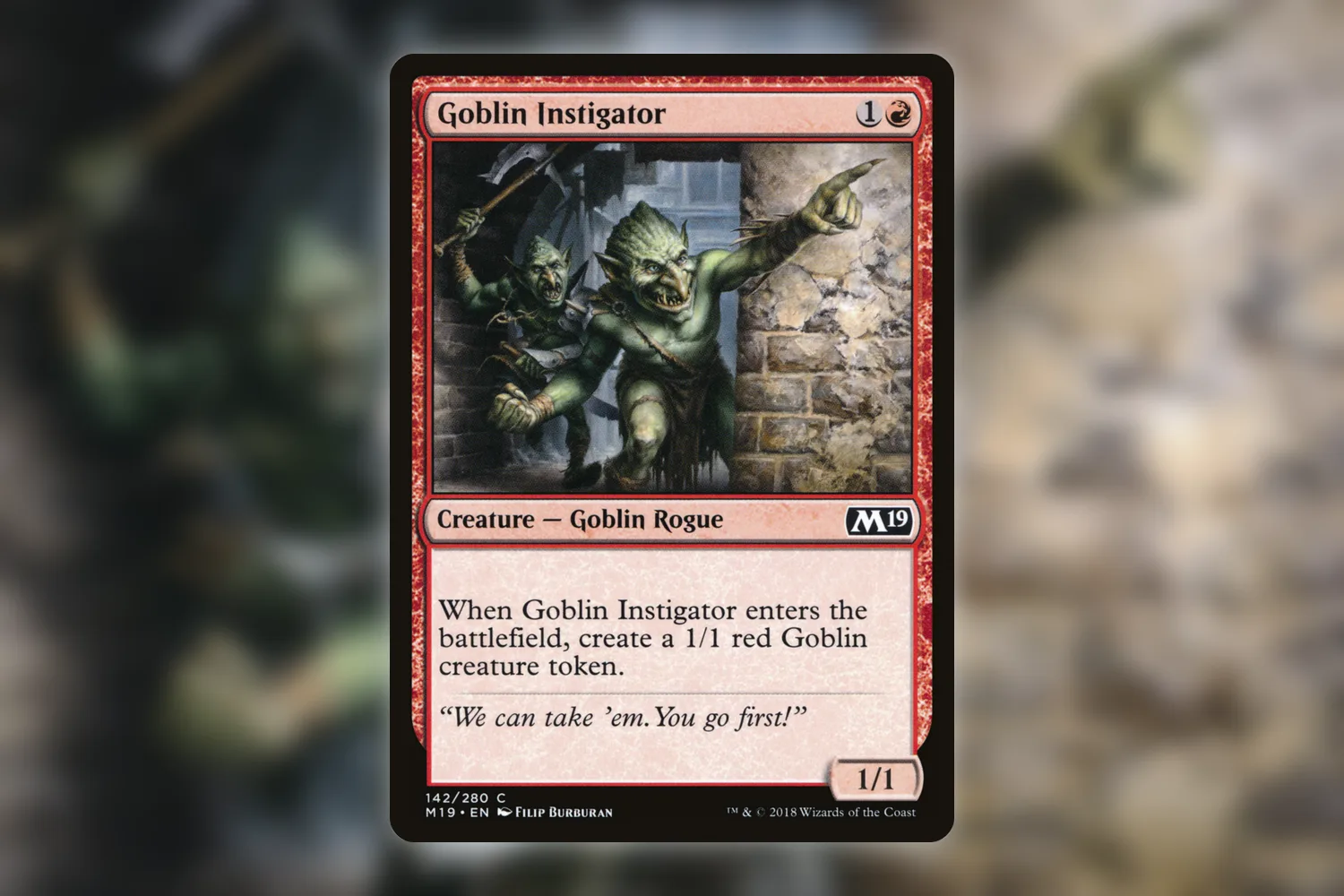
Goblin Instigator is the sort of card I’d pull first. Two mana, two little bodies, a job you can explain while someone shuffles. It makes sense beside an attacking-creatures packet and beside a sacrifice packet. Most collections have a whole layer of cards like this, stranded between the good binder and the box nobody opens.
An MTG Jumpstart box starts with twenty cards
Wizards’ original Jumpstart introduction describes the basic arrangement: take two themed twenty-card packs and shuffle them together. Your deck has forty cards, with its lands already included. For this homemade box, I’d use ordinary two-player Magic, twenty starting life, and the usual rule that the player going first skips their first draw.
You can reuse opened retail packs exactly as they came, or build your own packets from the collection. I’m interested in the second option. The official Jumpstart 2022 lists are useful reference material because you can inspect a complete packet and see how much space its theme actually gets.
A sensible first draft is twelve nonland cards and eight lands. Aim for roughly seven to nine creatures, counting token-making spells as ways to establish a board, with the remaining slots handling removal, card draw, or the theme’s payoff. Most spells should cost two or three mana; a couple of larger creatures give the game somewhere to go. Those are my design guidelines, rather than a requirement printed on the product.
Keep each packet one color to begin with. When two different colors get paired, the resulting deck already has to manage two kinds of mana. Cards with several colored symbols in their costs can sit in someone’s hand for an awfully long time. Prefer creatures and spells with a single colored symbol where your boxes give you the choice.
There’s a tempting detour here where you start designing a whole draft environment. I like that detour, but building a traditional cube from your collection is a separate project. Keep the twenty-card piles intact for this one.
Pull themes your collection can actually support
Give the bulk a quick pass for creatures, straightforward interaction, and recurring mechanics. If the boxes are completely unsorted, a first pass by color and broad card type is enough. Alphabetizing everything before selecting 200 cards feels like volunteering for an extra shift.
I’d lay out these ten dividers, then let the cards change my mind:
| Color | First packet | Second packet |
|---|---|---|
| White | Small creatures and tokens | Flying creatures |
| Blue | Flyers and card draw | Creatures with enters-the-battlefield abilities |
| Black | Graveyard recovery | Sacrifice and death triggers |
| Red | Wide attacks | Spells and damage |
| Green | Ramp and large creatures | +1/+1 counters |
These are starter themes, and some need more care than others. Blue’s enters-the-battlefield packet needs enough creatures with useful abilities inside its own twenty cards. Black’s sacrifice packet needs things to sacrifice and ways to benefit from doing it. A payoff with no support is a miserable draw when the other half of your deck happens to be green ramp.
For the first box, I’d favor cards that still work when their partner packet contributes nothing special. A creature that grows when another creature dies can function alongside almost any creature deck. A card that demands three particular creature types is much fussier.
I remember putting a Core Set 2019 Goblin Instigator into a sleeve because I’d mistaken it for the rare I was looking for in a sorting pile. The rare was underneath it. I left the Goblin sleeved for months, apparently too embarrassed to undo my own decision. At least it already has packaging for this project.
I do think it’s possible to sand off too much character. An odd, narrowly supported mechanic can be the whole reason to build a packet. Ryan Overturf’s guide to homemade Jumpstart environments makes room for those self-contained themes. I’d put one in after the first few sessions, once there’s a reasonably dependable box for it to join. I don’t know which theme would become your group’s favorite; I’d be suspicious of anyone who claimed to know before you played.
A red packet you can assemble and change
Here’s a complete starting list for the wide-attacks packet. This is a homemade draft of a packet, untested, rather than an official Jumpstart list. The links identify particular printings so you can inspect the cards; copies from other sets do the same job.
| Copies | Card |
|---|---|
| 2 | Goblin Instigator |
| 2 | Krenko’s Command |
| 2 | Borderland Marauder |
| 2 | Brazen Wolves |
| 2 | Shock |
| 2 | Trumpet Blast |
| 1 | Thriving Bluff |
| 7 | Mountain |
That’s twelve nonland cards and eight lands. Six creature cards plus two token-making sorceries supply the board. Shock can remove a small blocker, and Trumpet Blast rewards attacking with several creatures. Its bonus applies to attacking creatures from the partner packet too, which gives the red half something useful to contribute to a mixed deck.
The duplicate cards are deliberate. There’s no singleton restriction in this homemade environment. Doubling up makes the plan easier to recognize and gives spare copies a use. If you own only one of something, substitute another card with a similar cost and role. Replacing a two-mana attacker with a seven-mana Dragon changes more than the creature type.
I’d watch the two Trumpet Blasts during testing. Both can sit uselessly in hand after removal clears your board. If that keeps happening, replace one with another creature. The packet also has a low curve, so its partner will often provide the larger threats. Try it beside a slower packet as well as another aggressive one.
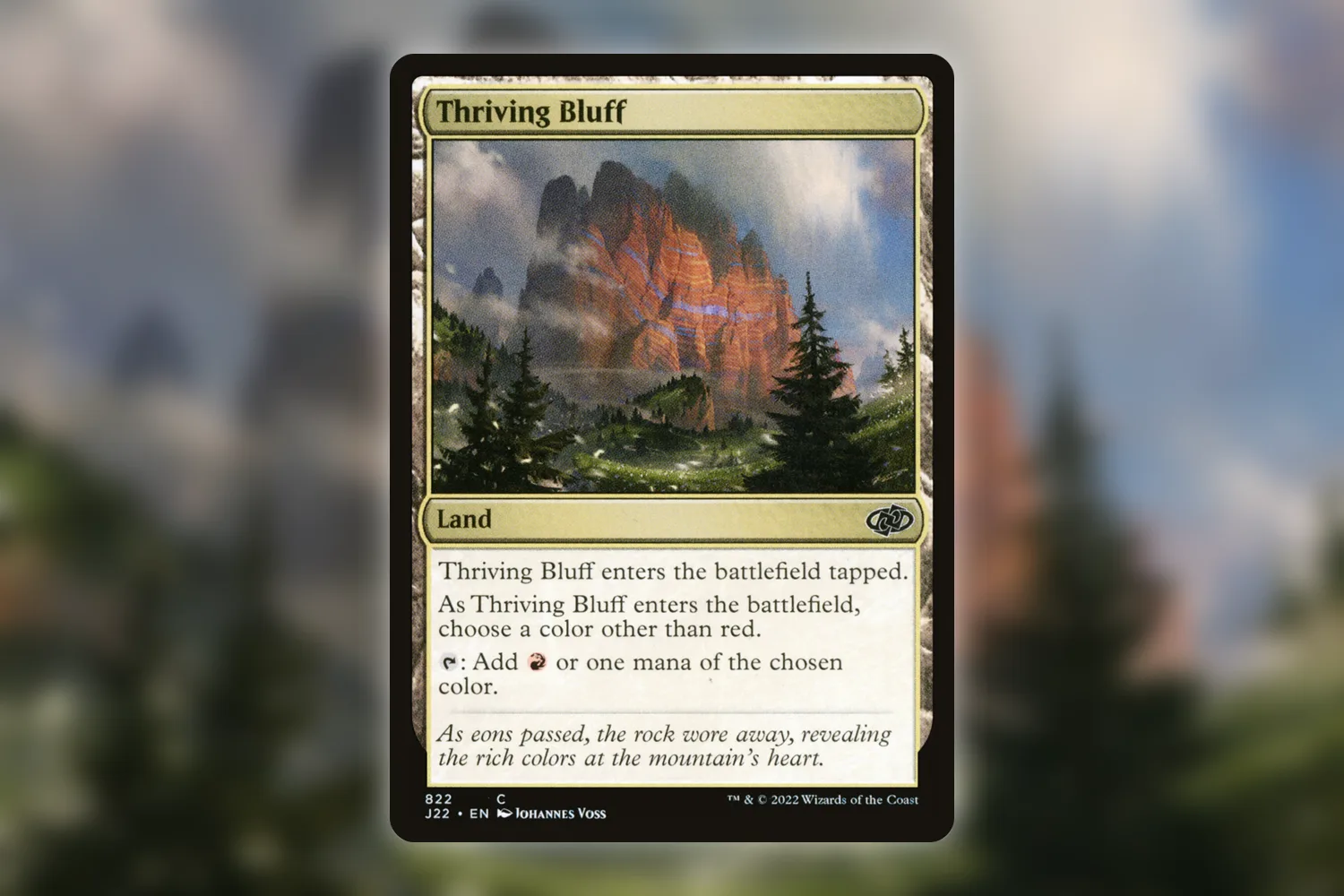
Thriving Bluff enters tapped, and you choose a color other than red as it enters. It then taps for red or the chosen color. Paired with a blue packet, choose blue. In a red-red deck you still have to choose another color, though you’ll usually use the red mana. The tapped entry is a real cost in an attacking deck.
Use the corresponding Thriving land in each color if you have them. Eight basics is a workable starting substitute, but watch for players repeatedly stranded with the wrong color. Fixing is one of the few gaps I’d consider buying before adding fancy payoffs. Sixteen lands across a combined deck also rewards a modest curve; packets full of expensive spells may need a ninth land and one fewer spell.
The packets have to come apart again
Same sleeve backs across the entire box. Every packet needs to shuffle into every other packet without revealing which half a drawn card belongs to. A separate color of sleeve for each theme sounds wonderfully organized until you play.
Give each packet a divider or cover card with its name, an exact list, and a version date. Keep that card outside the shuffled deck. For the red example, write down the two copies of each spell and all eight lands. Put spare Goblin tokens in a separate compartment; they aren’t part of the twenty-card count.
Right. You finish a game. There’s a token under a drink coaster. Someone has your creature on their side of the table. The lands are in three piles. Count everything before the next pair gets shuffled. Please. The cover-card list earns its space right there.
Separate by color first, then compare against the two packet lists. Two packets of the same color take more attention, especially when they share cards. Give those packets different basic-land artwork where convenient, and record it on the lists. Otherwise identical copies can return to either packet, provided each ends up with the correct number. Keep a printing note if a particular foil or illustration belongs in a specific slot.
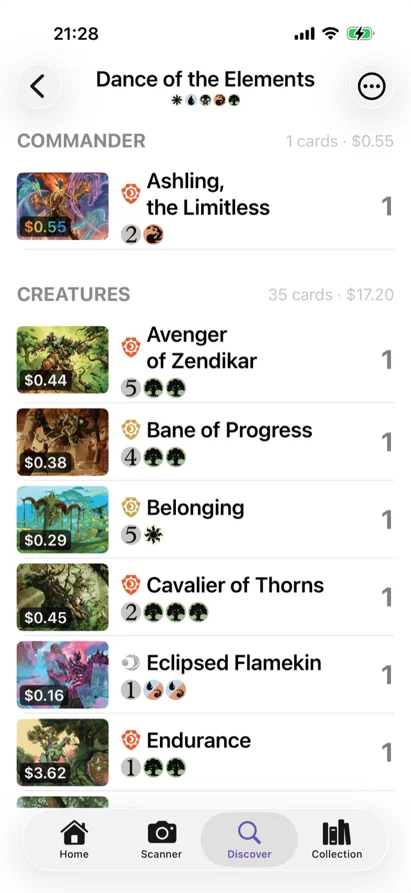
If you’re cataloguing the cards in Eldwyn, record that they’re assigned to the Jumpstart box. A separate written packet list can handle the exact splits. Before ordering missing pieces, check the want list against your collection, including cards already sitting in decks. Moving one physical copy into this box means its old deck needs a replacement.
Ten packets produce 45 distinct unordered pairs when each physical packet is used once. You won’t test all of those immediately. Start by giving each packet a few different partners and note specific problems: too few early plays, an unreliable payoff, a creature nobody can answer. Swap the problem card and date the new list. Winning one game is thin evidence that a packet needs weakening.
Store each twenty-card packet behind its divider or in its own small container, with enough room that sleeved cards come out easily. After cleanup, check for twenty again. If the count is nineteen, look in exile before you start searching the floor.