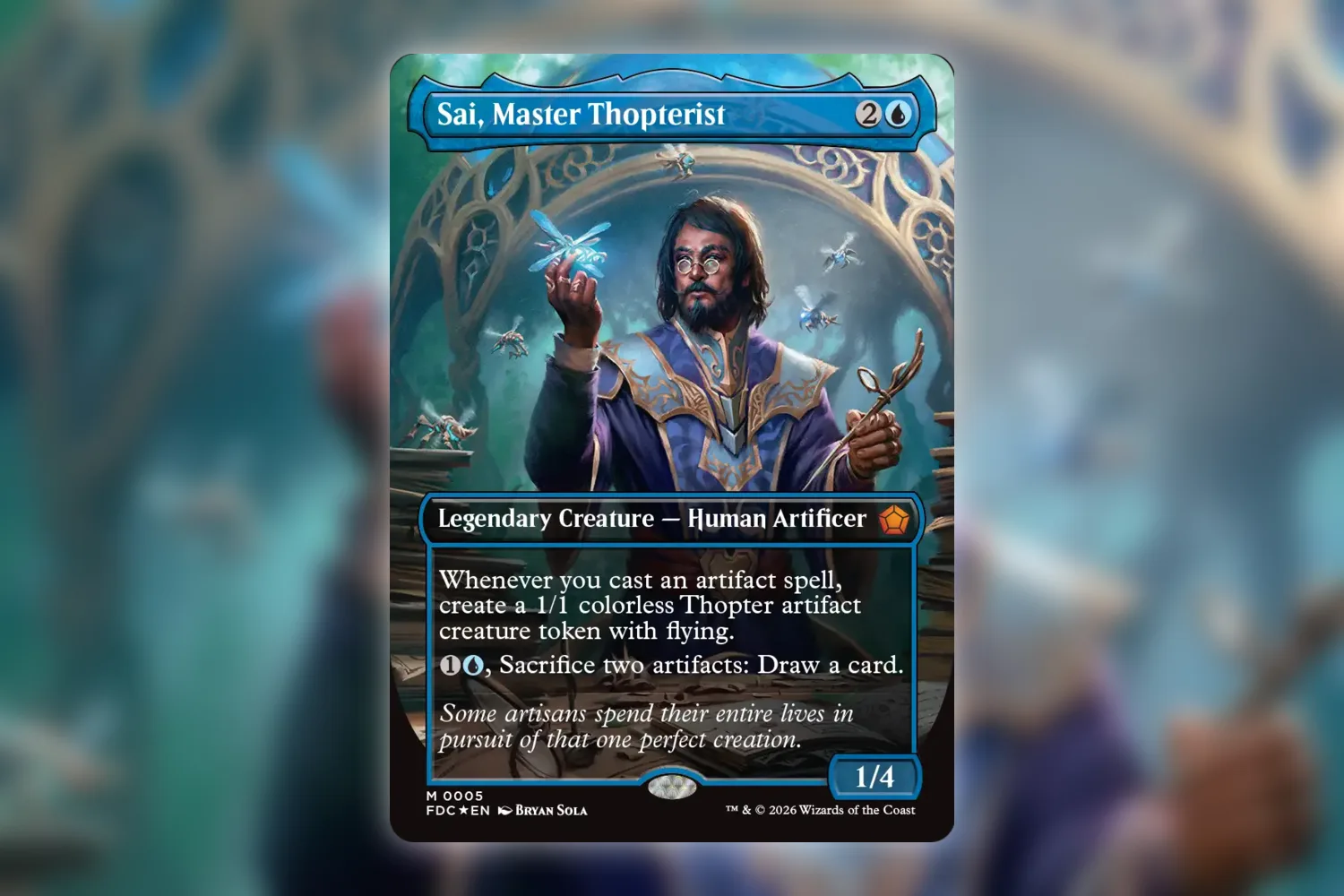
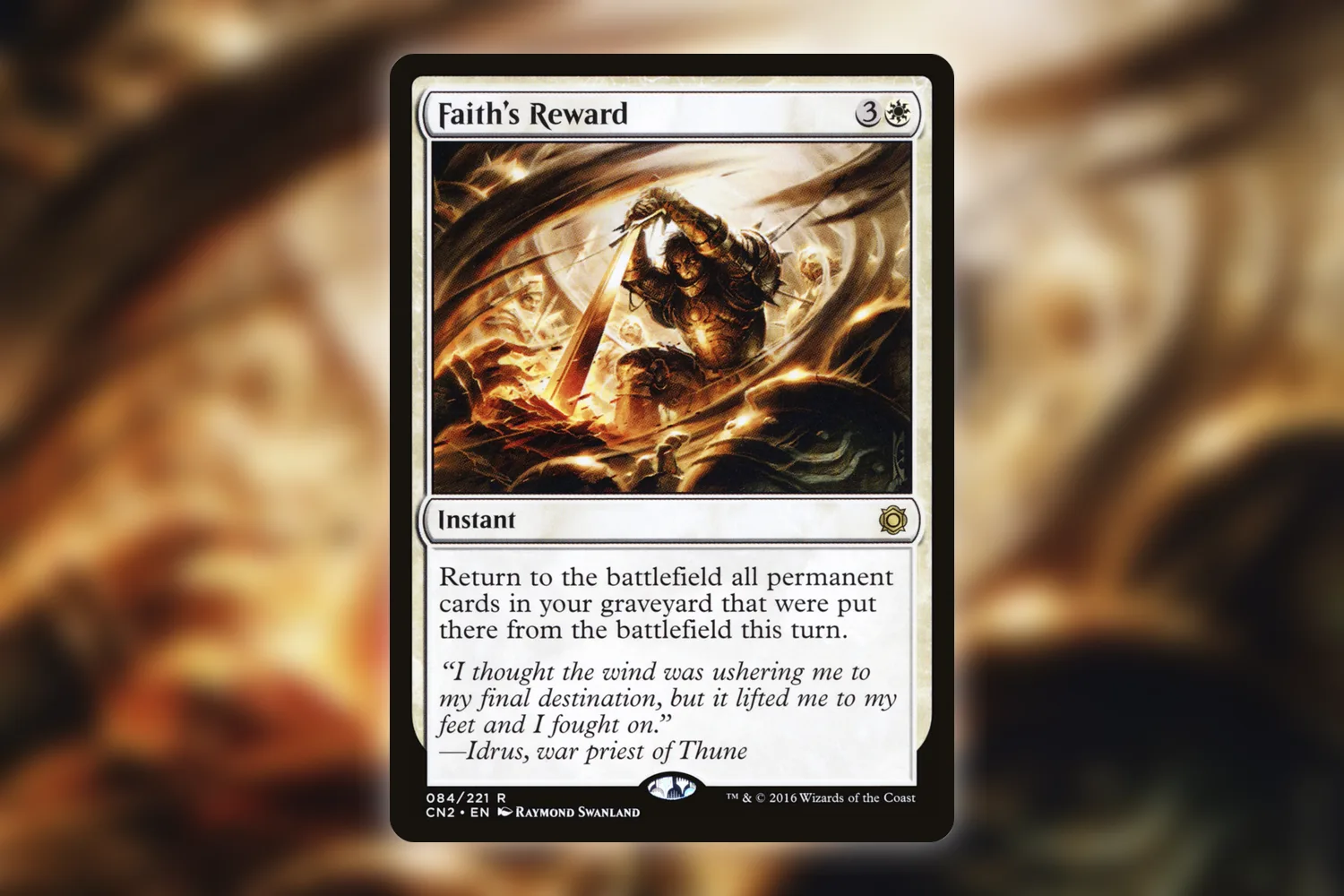
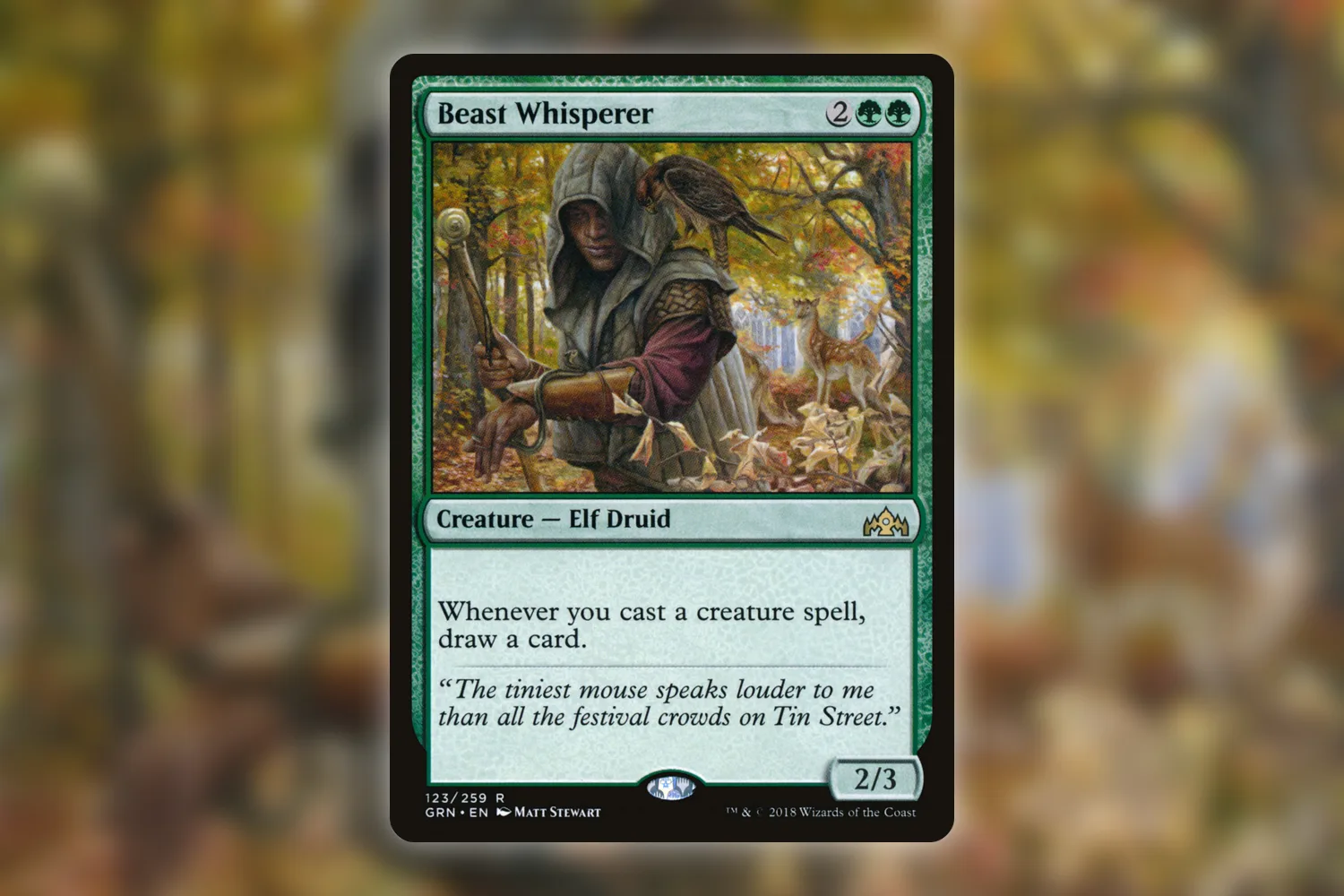
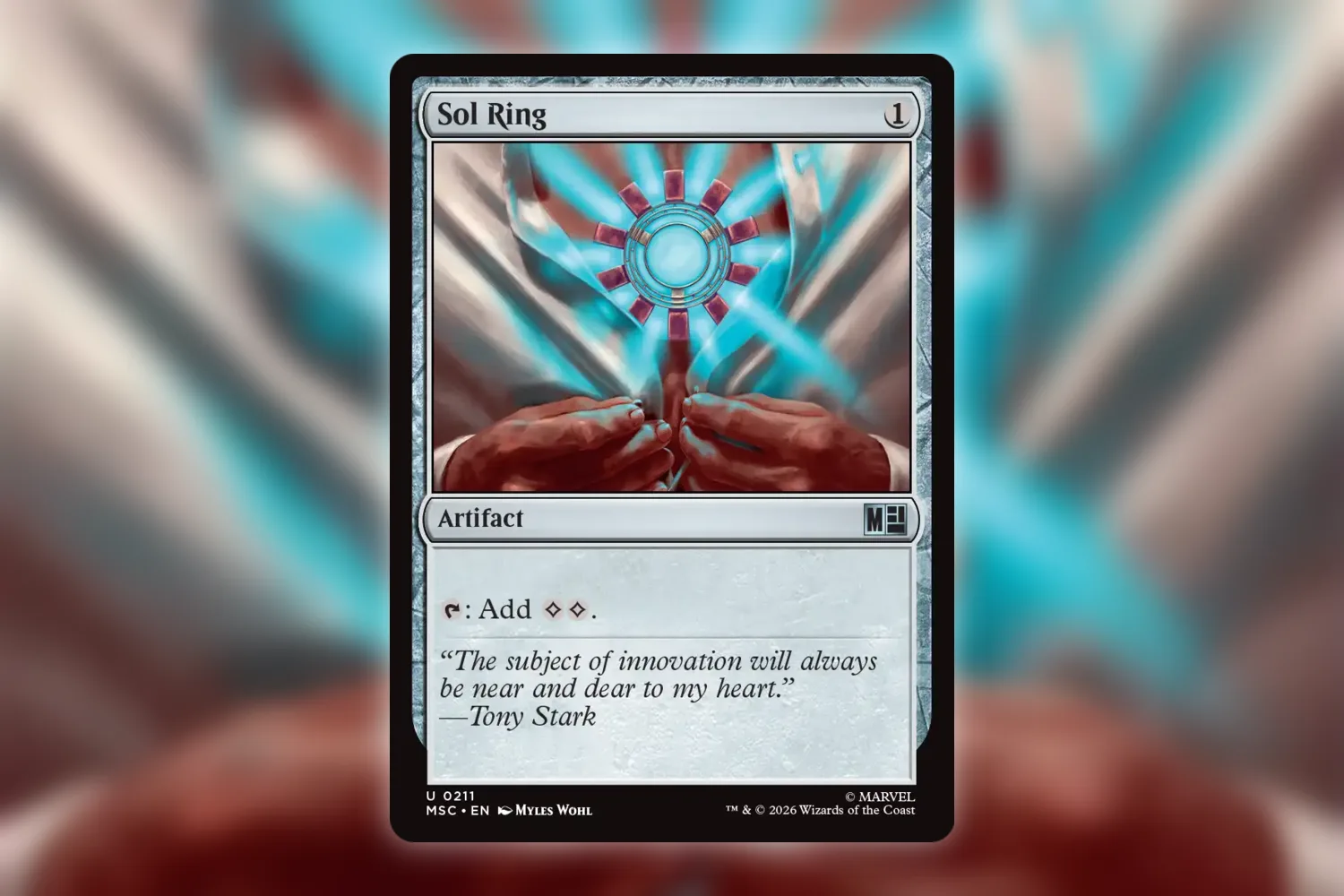
I counted my Sol Rings last month. Not on purpose. I was pulling a deck apart on the kitchen table and there was already one sitting out from the deck I’d broken up the week before, and seeing two of them next to each other sent me looking for the rest. Seven. I own seven Sol Rings and I keep five Commander decks assembled.
Two of them have been in a binder page for long enough that I don’t remember buying either one.
The question of how many copies of a card you should own sounds like it has an obvious answer. It does. The obvious answer is just wrong for most of the cards most people are actually buying.
How many copies the rules actually allow
Four, mostly. Standard, Pioneer, Modern, Legacy, Pauper all cap you at four of any card that isn’t a basic land. Vintage keeps the four-of rule and then bolts a restricted list on top, currently 52 cards, where you get exactly one.
Somewhere along the way the number four stopped being a rule about decks and became a rule about buying. Anyone who played Standard in the 2010s knows the feeling. Buying a playset was simply what buying looked like, because the alternative was one now and three more in April at a worse price. That was correct behavior at the time. Standard was the format, singles moved, and a card you liked was a card you’d eventually want four of.
Then Commander ate the game and nobody updated the reflex.
The reflex costs the most in exactly the wrong places
Commander is singleton. One copy of anything that isn’t a basic land. It’s also the format almost everyone at my LGS is actually playing on a Thursday, and it drives a huge share of the singles demand you see in prices.
So the playset instinct is now applying four-copy math to a format that will never use the other three.
Misty Rainforest is $36.71 in the Modern Horizons 2 printing. Four of them is $146.84. If you’re building Modern, fine, that’s the cost of the deck. If you bought four because four is what you buy, and the deck you were actually building was Commander, you spent $110 on three cards that will sit in a binder until you sell them at a loss.
The One Ring is the sharper version of the same thing. $121.95 a copy. Modern decks run four. Commander decks run one, because they’re not allowed a second. Same card, $366 apart, and the only variable is a rule you already knew.
Some cards ignore the limit entirely
There are exactly thirteen cards in Magic whose own text lets you run any number of them. I looked that up rather than trusting my memory, and I’d have guessed six.
Relentless Rats is the famous one. Persistent Petitioners, Shadowborn Apostle, Dragon’s Approach, Rat Colony, Slime Against Humanity, and a run of commons nobody has ever built around. Two more get a cap instead of a blank cheque: Seven Dwarves stops at seven, Nazgûl at nine.
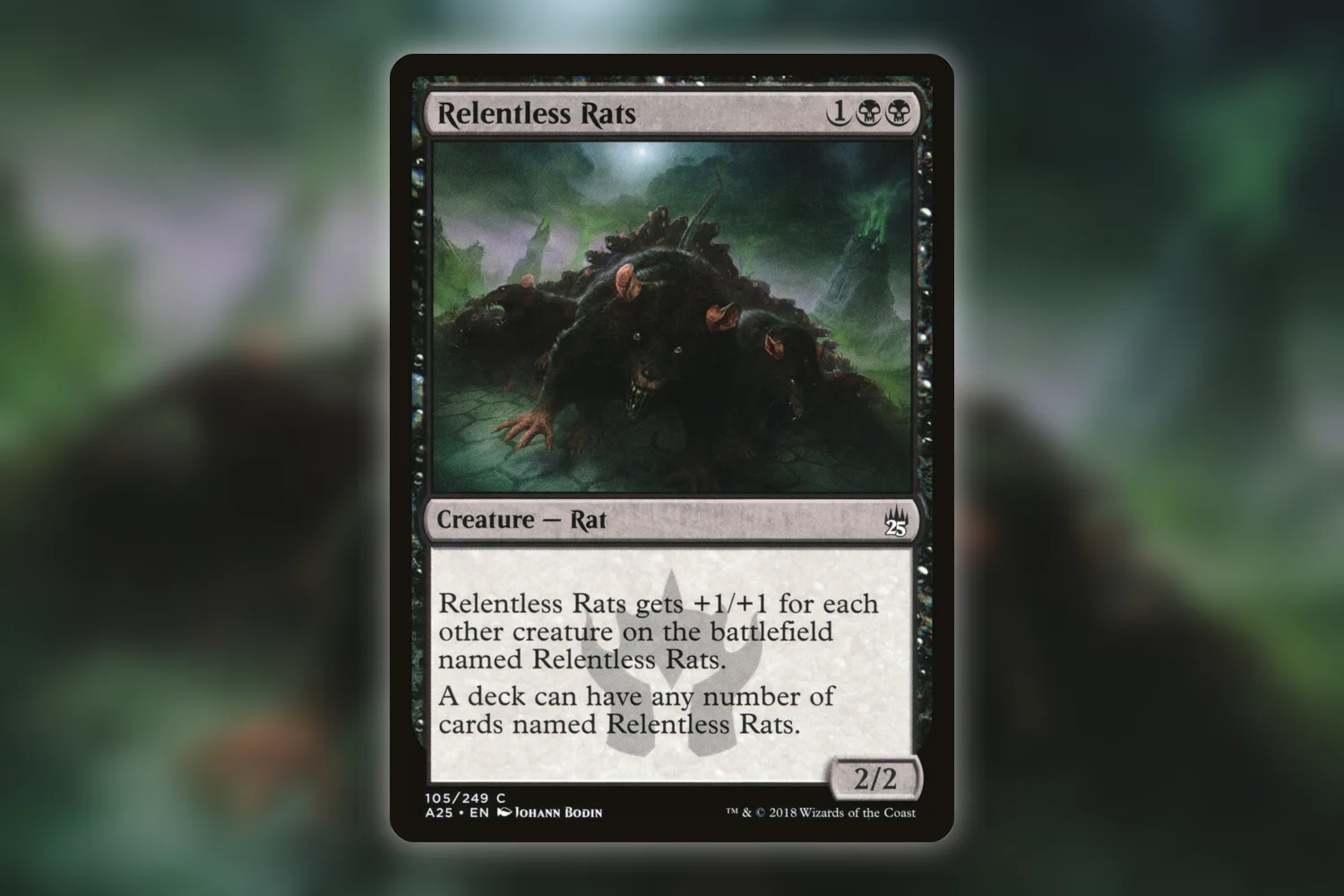
Four Relentless Rats isn’t a deck, it’s a rounding error. The build wants twenty-ish, and at $4.48 for the Masters 25 copy that’s a ninety dollar stack of the same rat, which is a genuinely stupid sentence to have written down.
Nazgûl caught me off guard on price. $23.94 each with a cap of nine. I have never seen anyone run nine.
Count decks
Back to the seven Sol Rings.
The right number of Sol Rings to own isn’t one and it isn’t four. It’s however many decks you keep sleeved at once, because it goes in all of them and nobody is unsleeving a mana rock between games. Same logic for Arcane Signet at $0.56, Command Tower at $0.32, Lightning Greaves at $5.06.
Five decks, five Sol Rings. I have seven. At $1.56 a copy that’s not a crisis, but Lightning Greaves at $5.06 across seven copies when five would do is ten dollars asleep in a binder, and I own maybe fifteen cards that fit that description.
Although. I’ve gone back and forth on this the entire time I’ve been writing this paragraph, because there’s a decent argument that the spares are the whole point. Decks get built and broken up. If I want to try a new commander on a Tuesday and doing it means stripping a Sol Ring out of something already sleeved, there’s a real chance I just don’t bother. The spare copy buys away that friction. I think the honest landing spot is one spare of the universal staples, and anything past that is storage.
So yeah. Count your decks. That’s the number. Five decks, five Command Towers, done. It isn’t complicated and I still had it wrong by two, so.
The worst version of this I’ve personally committed was a Legacy phase around 2019. I decided I was building Death and Taxes, bought a playset of everything on a list I found on some forum, spread over about six weeks so I wouldn’t notice the total, and then played the deck four times. Two of those were online. The Swords to Plowshares survived the experience and got absorbed into Commander decks. The rest sat in a deckbox with “LEGACY (?)” written on it in my own handwriting until I sold it at a loss during a move. I still have the deckbox. It has dice in it now.
The quantity field nobody fills in
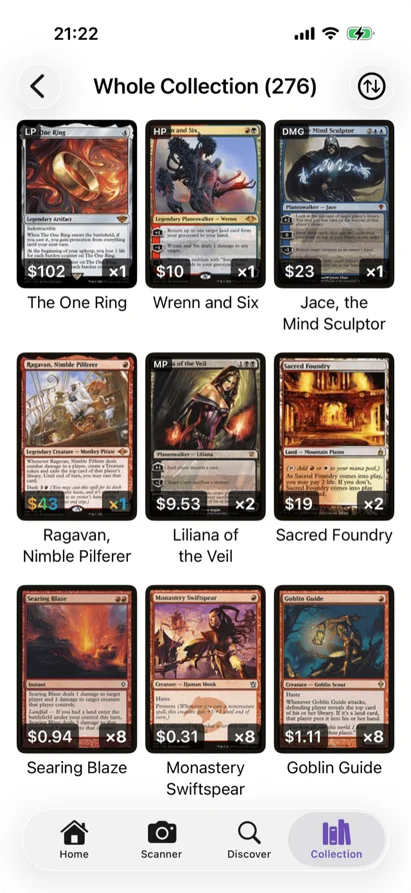
Every collection app has a quantity field and hardly anyone keeps it honest. Mine sat at 1 for years on cards I owned four of, because when you’re scanning a stack you’re thinking about what each card is, not how many of it are already logged somewhere.
Which makes the entire question unanswerable in practice. I could not have told you I owned seven Sol Rings without physically going and finding them, and I’ve been tracking this collection for years. That’s the part that actually costs money, the not knowing. Running a want list against what you already own only does anything if the counts are real, and mine weren’t.
There’s a second layer, which is that a big chunk of my collection is sleeved into decks and invisible to any count I do of the binders. The seven broke down as five in decks and two loose. Counting only the binder would have told me I was short.
If you want something you can apply without thinking: singleton staples get one per assembled deck plus a spare, four-ofs get four only once the deck genuinely exists, and everything else gets one until a second deck asks for it. Precon math tends to beat buying those staples as singles anyway, which is a decent explanation for how the spares pile up to begin with.
And if the spares have already gotten away from you, that’s a downsizing problem rather than a counting one. Different article.