Nobody warns you that the worst part of an MTG convention isn’t the byes you drop or the trade that falls apart at the last second. It’s your feet, by hour six, on concrete floors that convention centers seem to source specifically to ruin ankles.
I bring that up because most convention advice out there is deck-focused. What to sideboard, which format the main event is running, which prerelease kit to grab if there’s one attached. Fine, other sites cover that better than I would anyway. What almost nobody writes about is the logistics of existing at one of these things for two or three days straight with a bag full of cardboard worth more than some people’s car payment.

Grand Prix don’t really exist under that name anymore, they’ve folded into Regional Championships and whatever SCG CON or MagicCon happens to be running in your region that season, but the shape of the event hasn’t changed much. Big room, bad lighting, a hundred vendor tables, an artist alley line that never seems to move, and you, somewhere in the middle of it, trying not to lose track of a Mana Drain sitting loose in a shoebox because you didn’t get around to sleeving it before you left the house.
What actually goes in the bag
Water and snacks sound like the most obvious advice in the world until you’re four hours into day one, haven’t eaten since 7 a.m., and the only food option on the floor is a hot dog for what feels like a criminal amount of money. I’ve paid it. More than once. I’m not proud of it, but the alternative is getting lightheaded during a trade and agreeing to numbers you’ll regret by dinner.
A battery pack matters more than people think. Con floors are enormous and outlets are rare, spread along walls that are always somehow the farthest point from wherever you’re standing. You’re using your phone constantly, checking prices, texting friends about where they are, using it as a life total tracker if your dice bag didn’t make the cut. A dead phone six hours into day one is its own small disaster.
Sleeves and a spare deck box, more than you think you’ll need. Not just for your tournament deck, for anything you pick up during the weekend too. Trade tables are not gentle environments. Somebody’s elbow, somebody’s drink, somebody’s toddler who wandered away from the family enjoying the con with them. If a card is worth sleeving before it leaves the house, it’s worth sleeving before it goes anywhere near a folding table covered in other people’s cards.
And a tracker. An AirTag, a Tile, whatever your phone ecosystem supports. I go back and forth on whether this is smart or slightly paranoid, honestly. Most people’s con weekend goes completely fine, nobody’s binder gets stolen, nobody’s bag walks off while they’re in the bathroom line. But collections do get stolen, and a con floor with thousands of strangers is exactly the kind of anonymous crowd where it happens. Twenty bucks for a tracker against a bag that might be worth four figures isn’t really a hard math problem once you frame it that way.
Don’t bring the whole collection
This is the one I still mess up. Every single time, I convince myself I need three commander decks, a box of singles to sell, a full trade binder, and a spare sealed product or two just in case someone wants to buy it off me. By hour three my shoulder is wrecked and I’m irrationally annoyed at everyone around me, which has nothing to do with them and everything to do with the fact that I packed like I was moving apartments.
The better move, and I know this because I’ve watched people who’ve clearly been doing this for a decade, is to split what you bring across the days. Take two decks and a modest trade folder on Friday. Swap them out Saturday morning for whatever you didn’t bring the first day. It sounds like a small thing. It is not a small thing when your back has been carrying a backpack for nine hours.
The trade table isn’t your kitchen table
Trading at a con moves faster and involves more strangers than trading with your regular playgroup, and the etiquette is a little different because of it. If you’re getting something signed in artist alley, have your card out of its sleeve before you reach the front of the line. Nobody behind you wants to watch you excavate a card out of a triple-sleeved nine-pocket page while the queue backs up another ten minutes. I learned this the hard way at my first MagicCon, fumbling with a semi-rigid sleeve while a very patient artist waited and a line of maybe fifteen people did not look patient at all.
Tip the artists if you can. It’s easy to forget that most of them paid their own way to be there, and signing your cards is, for a lot of them, actual income for the weekend, not some favor they’re doing you. A couple bucks per signature isn’t going to break you and it goes a long way.
For actual card trades, the same rules apply as anywhere else, just compressed into less time because there’s a line of people behind you who also want to trade. Know your number before you sit down. Don’t let someone else’s phone screen be the only price check happening. And honestly, don’t be afraid to just say the trade doesn’t work for you and walk. Con trading has a weird social pressure to it, everyone’s excited, everyone’s got somewhere to be, and that’s exactly the environment where people talk themselves into bad trades.
So yeah, the floor. It’s chaos, mostly good chaos, but it moves fast and nobody’s really watching out for you the way your regular Tuesday night group would. Keep your stuff sleeved, keep your number in your head before you’re in the conversation, and don’t let the crowd energy make decisions for you that you wouldn’t make sober and alone at your kitchen table.
Getting your pulls home
If you flew in, this part matters more than people plan for. A weekend of trading, buying singles off vendor tables, and maybe cracking a few packs adds up to more cardboard than you arrived with, and checked bags are not where valuable cards should live. Vendors at bigger shows will often ship purchases home for you, and it’s usually worth the fee if you bought anything serious. Otherwise you’re looking at shipping it yourself once you’re back, which is annoying but a lot less annoying than a busted TSA bin situation with a loose stack of foils in it.
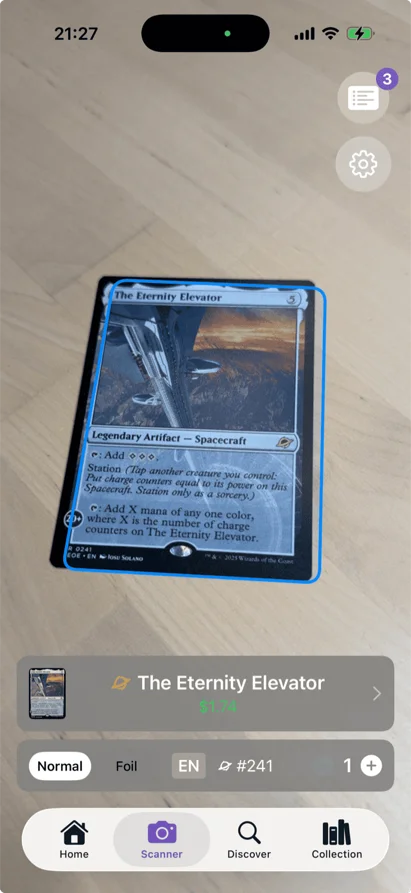
I scan everything the night I get home, or honestly on the flight if the wifi’s decent, mostly because con weekends are exactly the kind of chaos where you forget what you paid for what. Was that dual land $40 from a vendor or $30 off a trade? You genuinely will not remember by Tuesday. Getting it into the collection while the receipts are still fresh in your head, even mentally, saves you from guessing later.
This isn’t really the glamorous part of going to a Magic convention, packing lists and tracker tags and sleeve counts. But it’s the part that decides whether you come home exhausted-but-happy or exhausted-and-annoyed because something got lost, damaged, or forgotten in a hotel room three states away. Pack light, pack smart, and maybe just bring the good shoes this time.