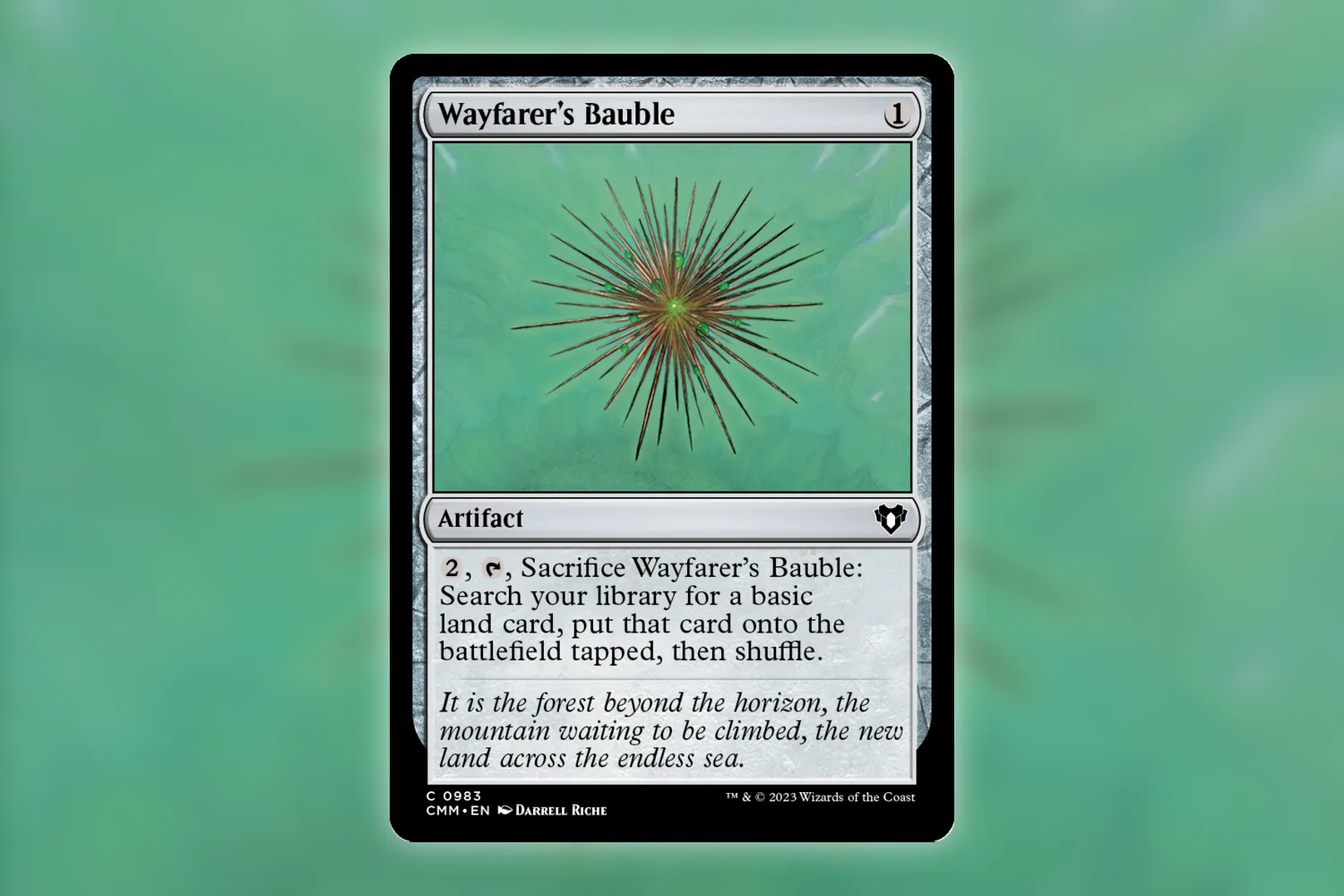
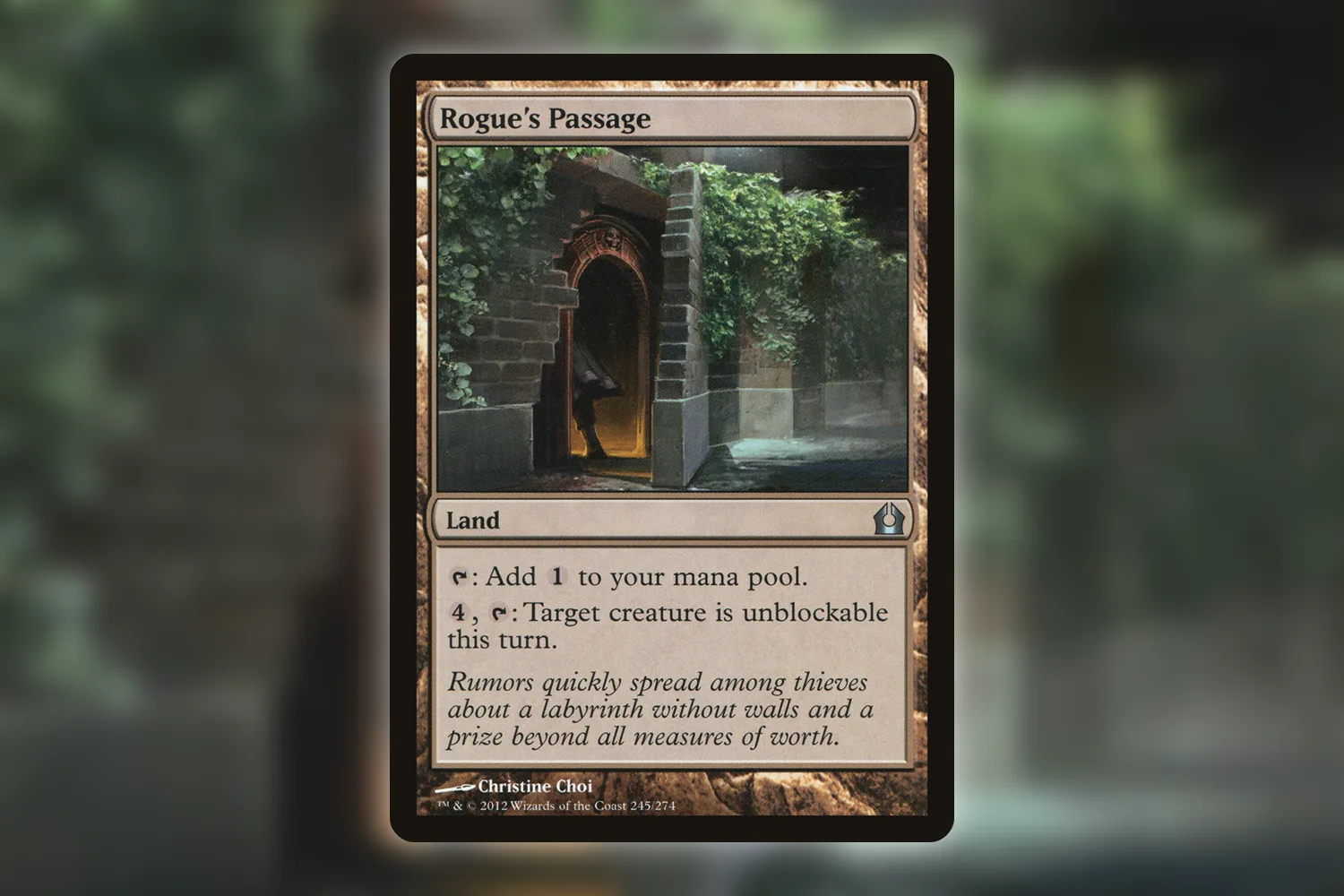
Choosing indestructible on Boros Charm feels fairly straightforward when somebody’s about to destroy your board. Calling that decision “face a dilemma” gives it rather more philosophical weight than I usually attach to keeping my creatures alive. I’ll take it, especially if the decision also gets me an Officer.
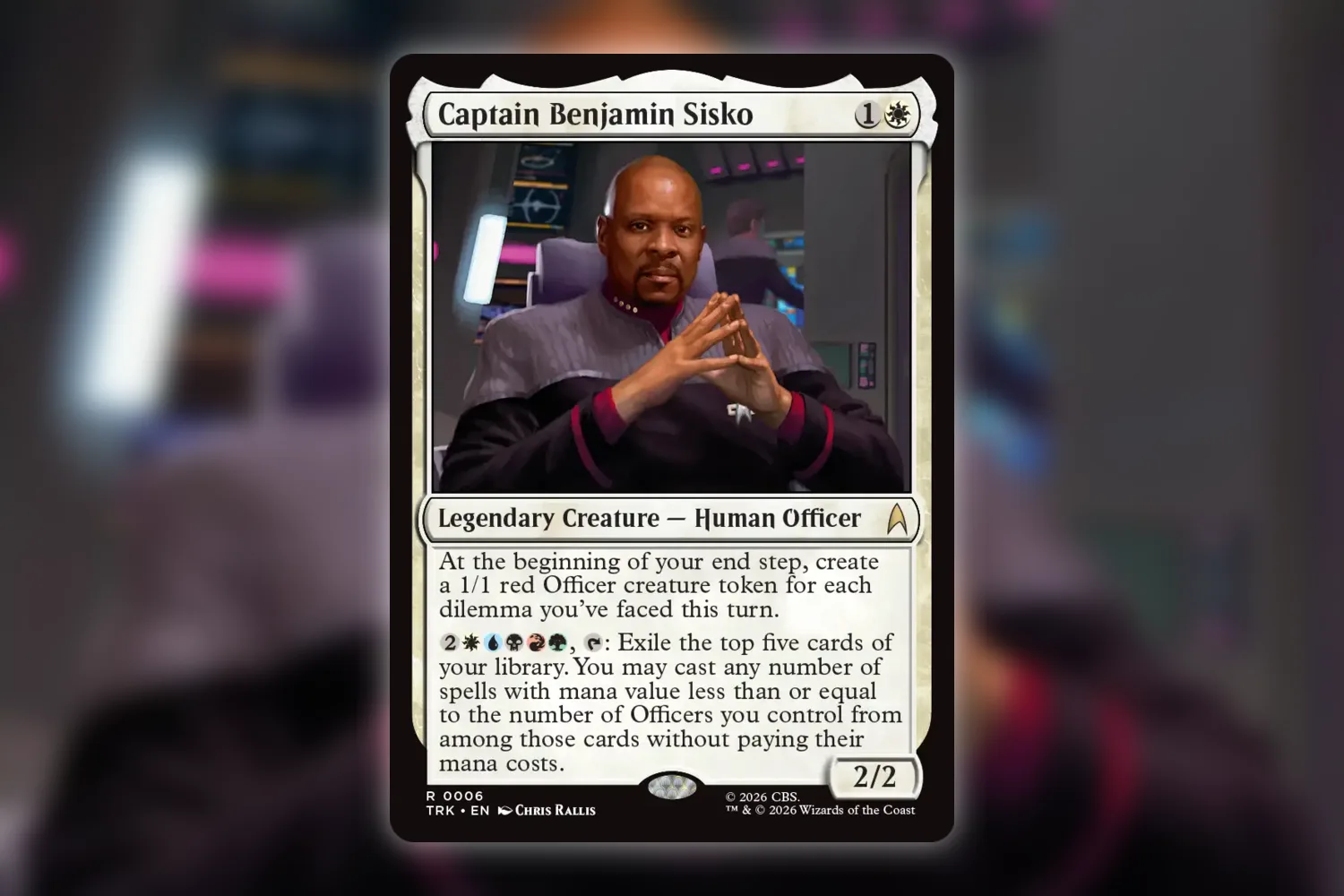
Captain Benjamin Sisko makes a 1/1 red Officer at the beginning of your end step for each dilemma you’ve faced that turn. Wizards’ October 20 Star Trek mechanics article explains that choosing modes on existing spells and abilities qualifies. A lot of the relevant cards could already be in your Ravnica boxes or Commander leftovers. I’d start there before ordering a new modal-spells package.
There’s a timing catch big enough to change which cards I’d pull. The phrase “your end step” is doing some work, and a hand full of reactive instants can look considerably better in the binder than it works beside Sisko.
Face a dilemma counts the choice of modes
A modal spell or ability offers a menu of effects with an instruction to choose among them. Modern card text normally lays the modes out as bullet points. You face a dilemma when you select one or more of those modes. The card can come from an older set; the new term recognizes something it already does.
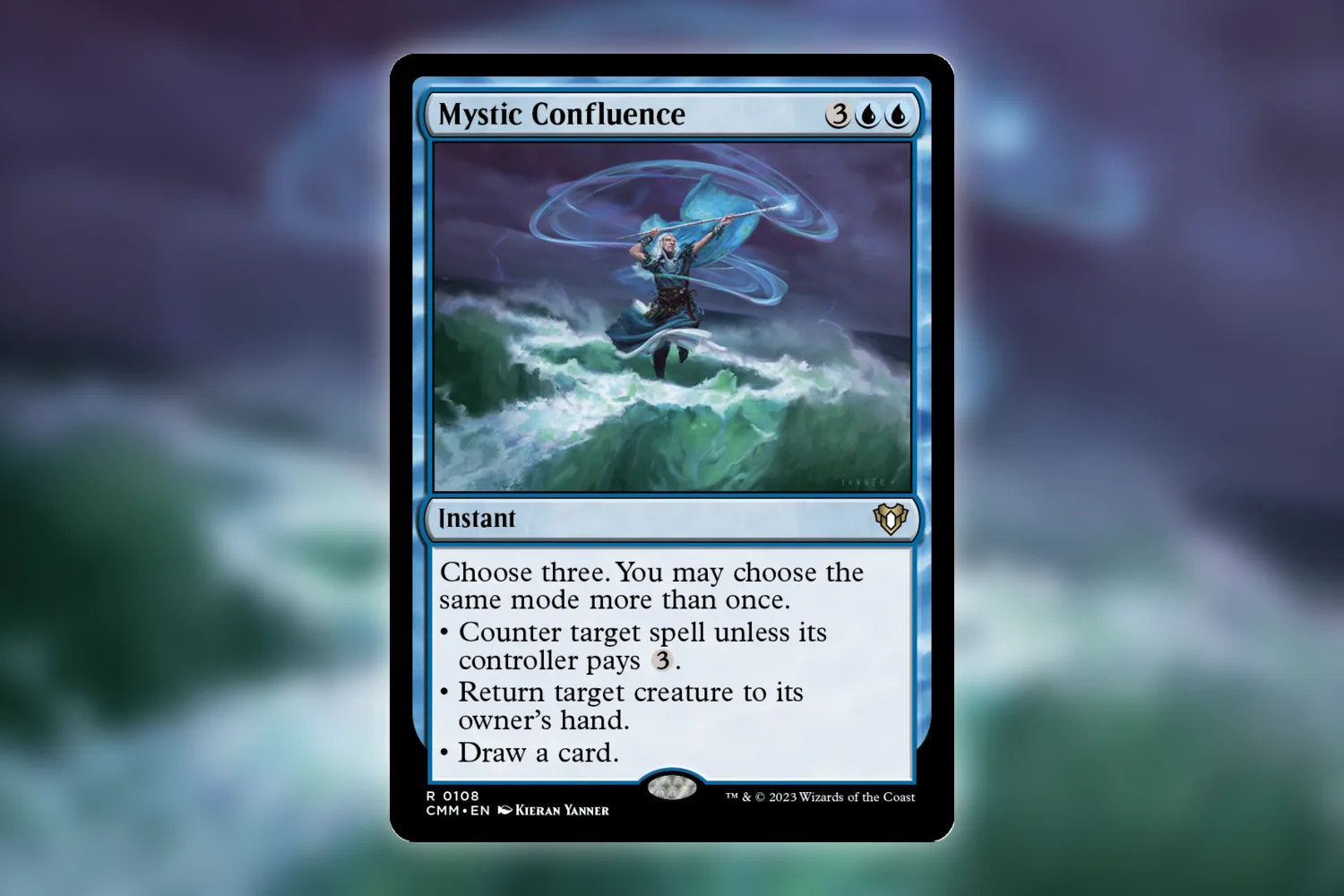
Mystic Confluence is a useful test. It lets you choose three modes, repeating a mode if you like. Drawing three cards means selecting the draw mode three times. That’s one dilemma. Choosing a counter mode, a bounce mode, and a draw mode is also one. Spending five mana and making several decisions doesn’t multiply the count.
Wizards also explicitly says that a countered modal spell still counts, as does one whose targets become illegal after you’ve chosen its modes. For a modal triggered ability where you can’t legally choose any mode, you haven’t faced a dilemma. These details are in the same mechanics guide, rather than something you have to infer from the new cards’ reminder text.
For Sisko, I’d keep a die beside the playmat and advance it once each time I choose modes during my own turn. Reset it between turns. The die records the number of qualifying spells and abilities, regardless of how many separate bullet points I selected on each one.
Sisko wants some of those decisions on your turn
Boros Charm costs one red and one white mana. Its modes deal four damage to a player or planeswalker, give your permanents indestructible, or give a target creature double strike. Our Commander protection guide covers what the indestructible option actually saves.
Cast it during your turn with Sisko present for the beginning of your end step, and that choice contributes to his Officer count. Cast it during an opponent’s turn to survive their sweeper, and you’ve faced a dilemma during that opponent’s turn. Sisko’s token ability triggers at the beginning of your end step and looks at the dilemmas from that turn. It won’t carry the earlier choice forward.
I like holding interaction. I like having two mana available and feeling quietly pleased with myself. But, okay, wait. If every modal card in this proposed deck is waiting for somebody else to do something, when am I making the Officers? That’s the bit I’d check before sleeving the whole pile.
I’d give the deck some modal spells I’m comfortable casting proactively. A draw mode helps. Removal that can deal with an existing artifact helps. A combat option can help when I’m already attacking. I wouldn’t fire off a useful protection spell just to manufacture one token, although I can absolutely imagine talking myself into it when I’m one Officer short of something.
Sisko’s activated ability gives that temptation a fairly visible destination. It costs two generic mana plus one of each color, requires tapping him, and exiles the top five cards of your library. You can cast spells from those cards for free if their mana values are no greater than your Officer count. His white casting cost sits beside a five-color identity because of the symbols in that ability. A pile of multicolored Charms fits his identity; reliably producing their mana is a separate deck-building job.
I don’t know how many modal slots I’d settle on without playing the deck. I’d first want to see how often the cards are useful at the point in my turn when I’m actually able to cast them.
The old Charms I’d put on the desk
Azorius Charm gives your creatures lifelink for the turn, draws a card, or puts a target attacking or blocking creature on top of its owner’s library. White-blue mana for a card is an uncomplicated way to use it during your own turn. The combat mode needs an attacking or blocking creature, which can make it a less convenient early-main-phase play than the menu initially suggests.
Rakdos Charm offers graveyard exile, artifact destruction, or one damage from each creature to its controller. I’d pull it if the deck needs those first two jobs. The damage mode can punish a large creature board, but count your own creatures before selecting it. A successful Sisko turn may have left you with a lot of small red people standing around.
Abzan Charm has three options: exile a creature with power three or greater, draw two cards and lose two life, or distribute two +1/+1 counters among one or two target creatures. I like the draw option here because it gives the card something productive to do on a quiet turn. Getting white, black, and green available together deserves a real check against the lands you’re using. Wizards’ older discussion of modal flexibility uses this same Charm to explain the appeal of having different jobs in one slot.
Those three would be a reasonable little sorting exercise. Write the available copy’s location beside its name, then write the mode you expect to use most often. If the answer is always “save it for an opponent’s turn,” keep it in the interaction pile and account for the token-making elsewhere.
Cryptic Command asks for one generic and three blue mana and lets you select two different modes. It qualifies for one dilemma, and it has plenty of uses. I’d still hesitate to move a copy into this deck just because it says “choose two.” Three blue symbols are a substantial request from a five-color mana base, particularly when other cards in the same hand want black-red or white-black-green.
Mystic Confluence makes a similar demand on your turn’s budget, even with only two blue symbols. Casting it for three cards can be worthwhile. Casting two cheaper modal spells, when both have useful effects, would give Sisko two dilemmas to count. I’d compare the actual hands rather than ranking cards by how many options their text boxes contain.
There’s a Gatecrash prerelease disaster I can picture with embarrassing clarity: me putting Boros Charm in the “damage spell” pile, somebody explaining the indestructible mode, and me discovering I’d been reading one third of a card all afternoon. In this imagined version I also carefully sleeve a basic land while the Charm remains loose under a match slip. The sorting habits are painfully believable.
Make a candidate list you can actually find again
Scryfall has an is:modal search for finding these effects. I’d use it to make a candidate list, then compare those names with the cards I’ve logged. The database results alone can’t tell me which ones are in a box upstairs. Our collection-audit search guide covers that distinction and ways to narrow a search.
There’s one category boundary to check while sorting. Choosing which of Trading Post’s four separate activated abilities to activate isn’t selecting modes of a modal ability. It doesn’t qualify just because it offers several things to do. Likewise, choosing a face of a modal double-faced card is a different procedure; our double-faced-card guide covers how those physical cards work. Look for modes within the spell or ability itself.
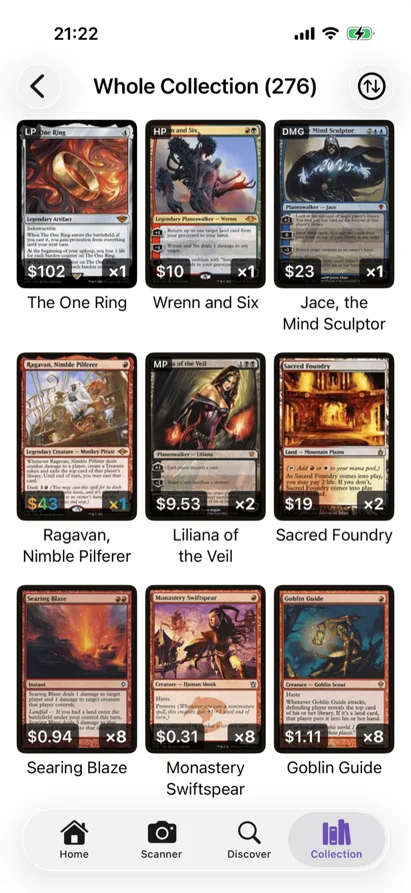
For each candidate I’d record the name, printing, location, and whether the copy is free to move. Then add two short notes: its ordinary deck role and when I’d expect to use it. “Graveyard interaction; often usable on my turn” tells me more than “dilemma card.” A Charm borrowed from another deck needs a replacement decision before I count it as available.
Eldwyn can help find the copies you’ve recorded. I’d keep the proposed Sisko list beside that inventory and check the remaining gaps against a want list before buying. The linked printings above identify the cards I’m discussing; another ordinary printing with the same current rules text can do the same job.
I’d start with a handful from the boxes, including a couple with draw modes, and leave room to change my mind. After a few games, the useful note is something specific: couldn’t cast the three-color spell, kept all the instants for opponents’ turns, or had choices available and needed more lands instead. Put the cut cards back somewhere labeled. Especially the Charm under the match slip.