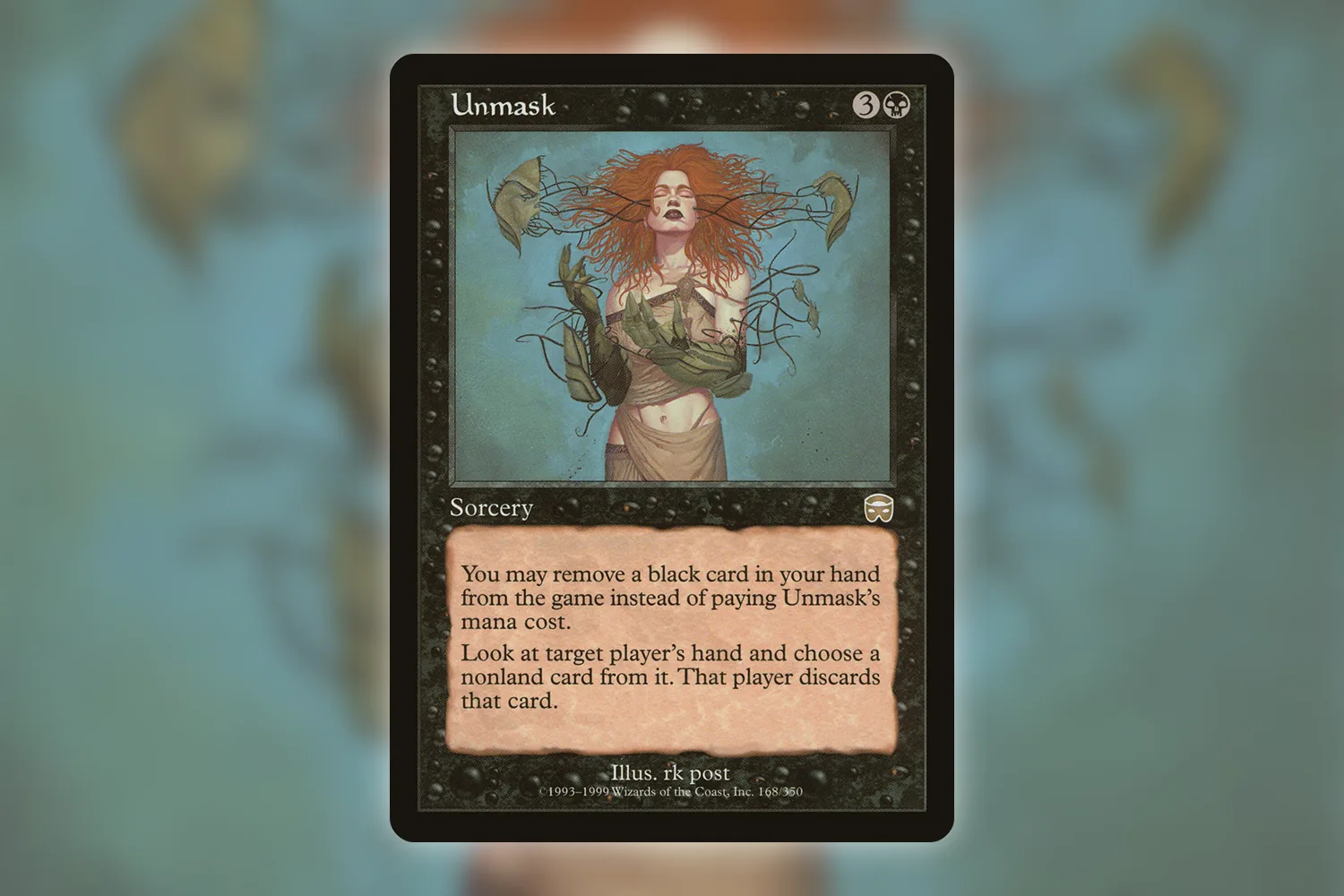
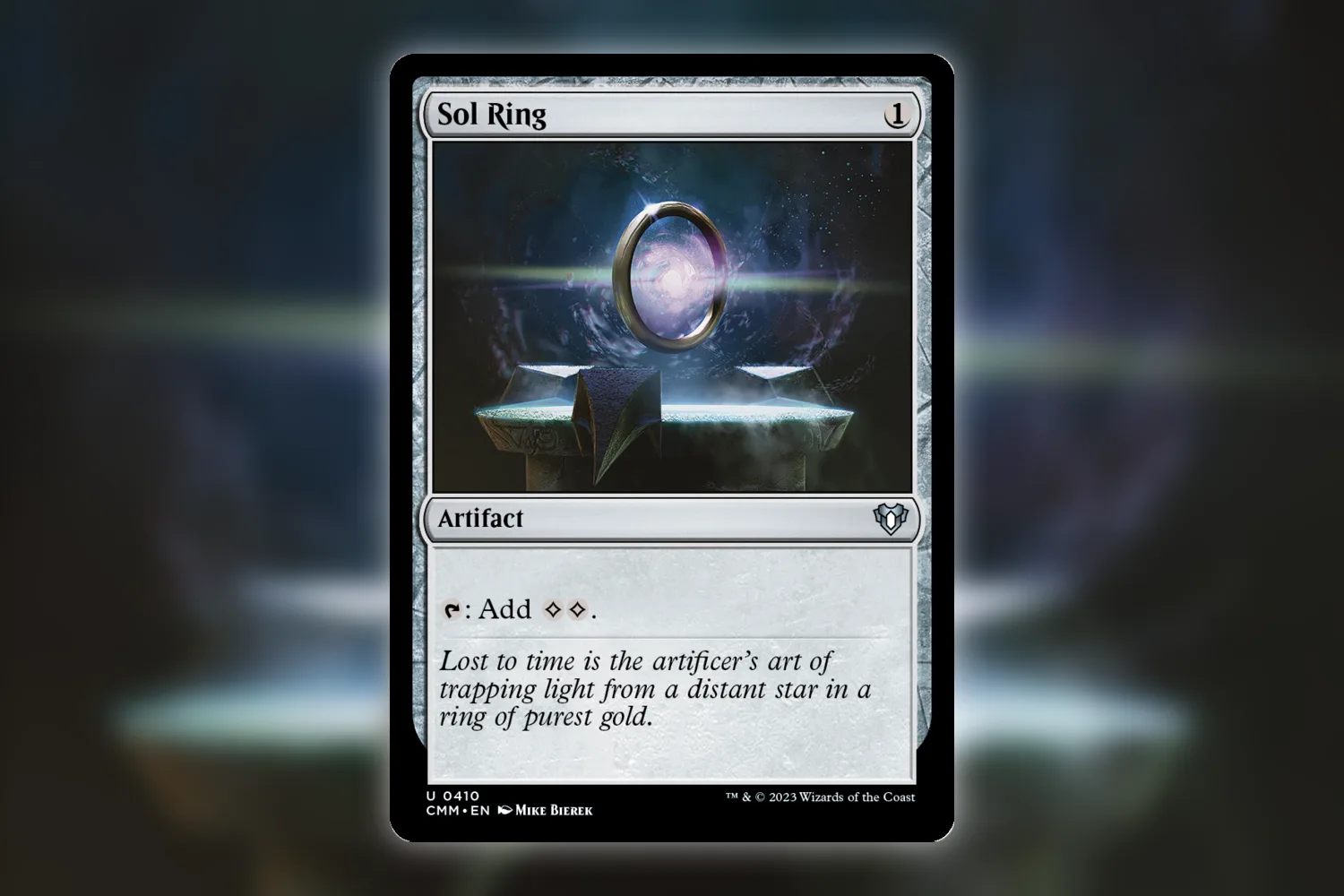
A wrong MTG singles order can look perfectly fine until you tilt the card under a lamp. Say you bought a traditional foil Sol Ring from Commander Masters for a binder page. The art looks right. It says 410 at the bottom, just like the listing. The copy on your desk is nonfoil, and there’s still supposed to be another card in the envelope. You’ve already got the next envelope open. Which seller sent which?
I’d leave each stack on its own mailer until I’d checked it against the order. Then I can file everything that matches and deal with the one or two odd cards while the packaging’s still on the table.
Check a wrong MTG singles order against the receipt
Open the order page and find the line for the card you’re holding. With a multi-seller order, check the package or seller breakdown before counting anything as missing. A card may be coming in another envelope. Then check the quantity and look through the whole stack. Two sleeved cards can sit so flush in a team bag that they look like one until you slide them out.
For each questionable copy, check the set code and collector number against the listing or the listing’s card image. On the Commander Masters Sol Ring, you’re looking for CMM and 410. The guide to the bottom of an MTG card goes through the small print in more detail, including why older cards can take a little detective work. Once the printing matches, check the language and finish on the order line. The number alone can’t settle a foil mix-up.
For condition, pull the card out of the sleeve and look at both sides under a lamp. Tilt it so you can see dents and surface scratches, then look at the corners and edges, especially on the back. A sleeve with a scuff can make a clean card look scratched. If you see a little edge wear on a card listed as Near Mint, check the marketplace’s condition standards before deciding how to describe it. Our MTG card condition guide has examples of the wear I’d look for. In the message, “two creases visible on the back” gives the seller something they can check.
If something’s wrong, take a clear photo of the front and back and a close-up that shows the relevant detail. For the foil example, I’d capture the set code and number as well as the surface under angled light. For a short shipment, keep the packing slip, mailer, and the exact count of what you received while you sort it out. If a TCGplayer package arrives visibly damaged, photograph it and follow TCGplayer’s instructions for contacting the seller before opening it.
Decide whether you’d keep the card
Say the other single was indeed in the envelope and the only issue left is the nonfoil Sol Ring. A foil was the whole reason I picked that listing for the binder page. I’d ask for the correct copy. Though if I were buying it to sleeve up for Commander that night, I’d probably consider keeping the one on the table. I’d check the cost of buying the intended copy again, shipping included, before accepting a partial refund.
Hi, the Commander Masters Sol Ring #410 on this order was listed as traditional foil. The copy I received is nonfoil. I’ve attached photos of the card. Could you send the foil copy if you have one available?
Send the message through the marketplace where you bought it, with the affected quantity and a photo when there’s something to show. For a missing card, give the count you ordered and the count that arrived. If several cards are wrong, put each on its own line. You can use the same message for a condition issue and swap in what you found on the card.
On TCGplayer, start from Order History. Marketplace sellers handle their own orders, and TCGplayer customer service handles Direct orders. The Safeguard gives buyers 30 calendar days from the estimated delivery date to report an order that arrived other than described and stay eligible for a refund. TCGplayer Safeguard
TCGplayer’s published policy describes partial refunds, replacement copies, and returns for a full refund on affected cards as possible outcomes for incorrect singles. If the seller asks you to return the wrong card, the policy calls for the seller to provide prepaid return shipping. Follow the order’s instructions and keep the return tracking or mailing receipt if you get one. TCGplayer’s refund and return policy
Log the copy that stays with you
I like to put the disputed card back in the mailer and leave it by the desk. The other cards can go straight into the collection. If the seller sends a replacement, check that copy against the original order before putting it away. If you accept a partial refund and keep the card, record the edition, finish, and condition you actually received. Keep the original receipt and refund confirmation together if you track what you paid.
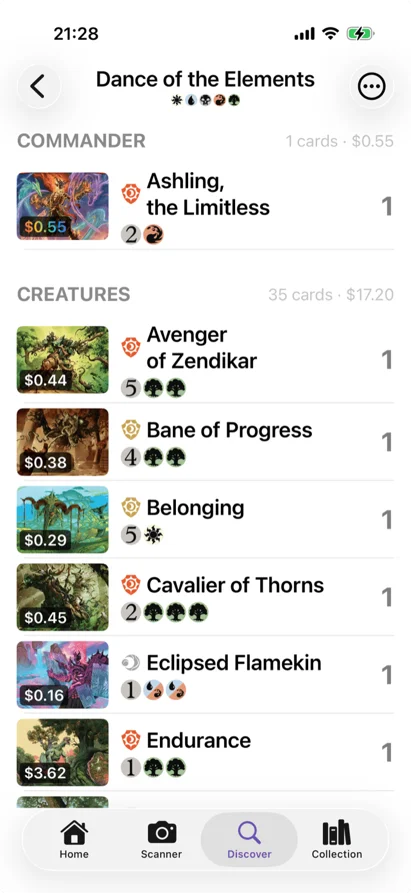
So, the scan. It’s quick, and you’re probably doing the whole stack at once. I’d take an extra second on that Sol Ring. Open the printing details in Eldwyn, check the set and number, and look at the finish before saving. If you’d already added the foil when you placed the order, update that entry to the copy you kept. It’s an easy place to pick up an extra Sol Ring on paper. The collection count walkthrough shows where to look if you’ve already got both versions recorded.
I’d leave the foil on the want list if I still needed it for that binder page. The next time I see one for sale, the copy already in my deck can stay there.